HR Isn’t Dead—But It Needs to Evolve
The SHRM CEO recently highlighted the need for HR to adapt to the future of work. HR teams are often bogged down by manual processes and struggle to keep up with rapid changes in hiring trends. To remain relevant, HR must transform into a more strategic, tech-enabled function. AI is a powerful tool to facilitate this transformation, but it requires thoughtful implementation and management.
Why AI is Essential for HR Transformation
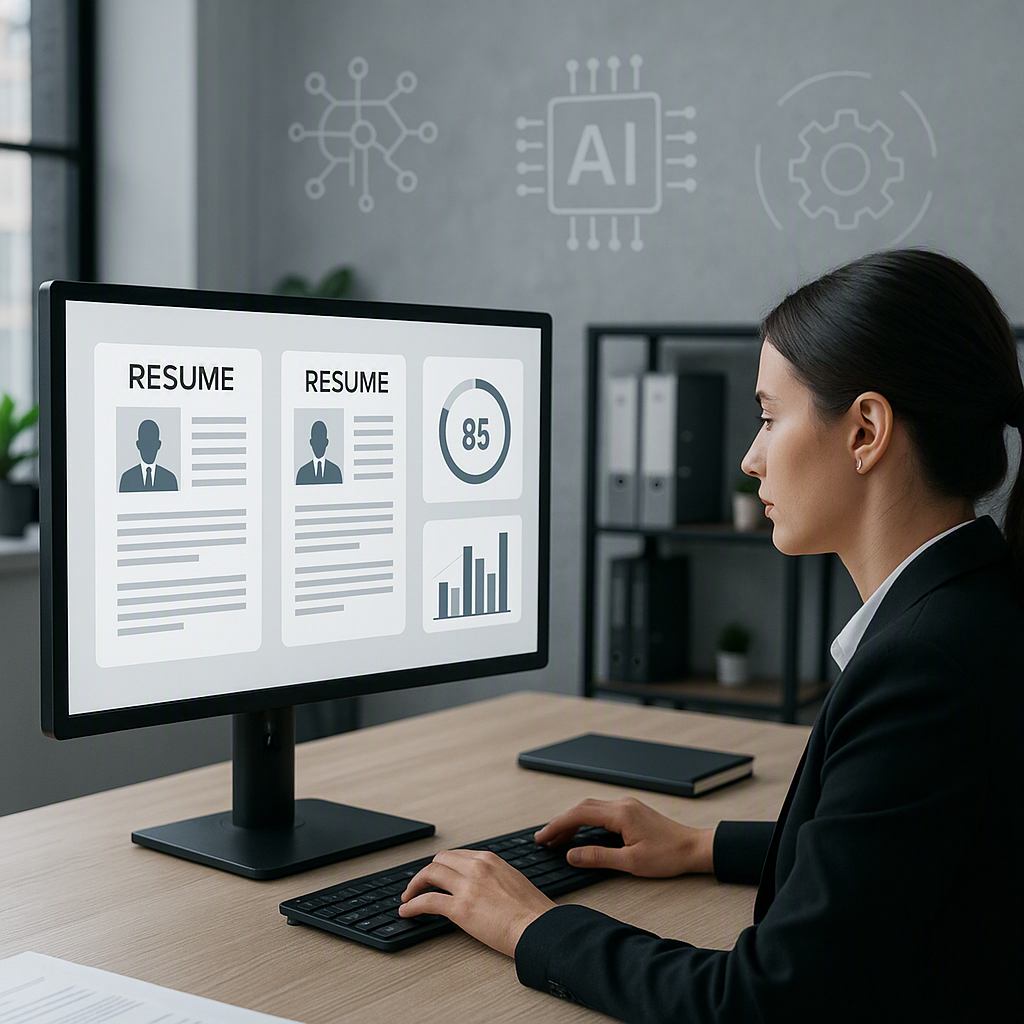
One of the most time-consuming tasks in HR is manual resume screening. It is often slow and inconsistent, leading to inefficiencies. AI can significantly reduce the time spent on this process by analyzing resumes, matching candidates to job descriptions, and providing actionable insights. This allows HR professionals to focus on a refined list of top candidates rather than sifting through hundreds of resumes.
AI can also help identify candidates who might otherwise be overlooked due to non-traditional career paths or keyword mismatches, supporting smarter diversity hiring practices.
The Role of Humans in an AI-Driven HR World
AI is not a replacement for HR professionals but a tool to assist them. While AI can handle data analysis and initial candidate screening, it cannot assess soft skills, cultural fit, or other nuanced factors that are critical in hiring decisions. These aspects still require human judgment and expertise. By automating repetitive tasks, AI enables HR professionals to focus on building relationships and making strategic decisions.
How HR Teams Can Use AI Proactively
AI can help HR teams move from being reactive to proactive. For example, AI tools can assist in building talent pipelines, anticipating skill gaps, and creating forward-looking hiring strategies. By analyzing large volumes of resumes quickly, HR teams can identify high-potential candidates even before a position opens, enabling more strategic workforce planning.
Common Mistakes When Using AI in HR
AI is a powerful tool, but it is not without its challenges. Here are some common pitfalls to avoid:
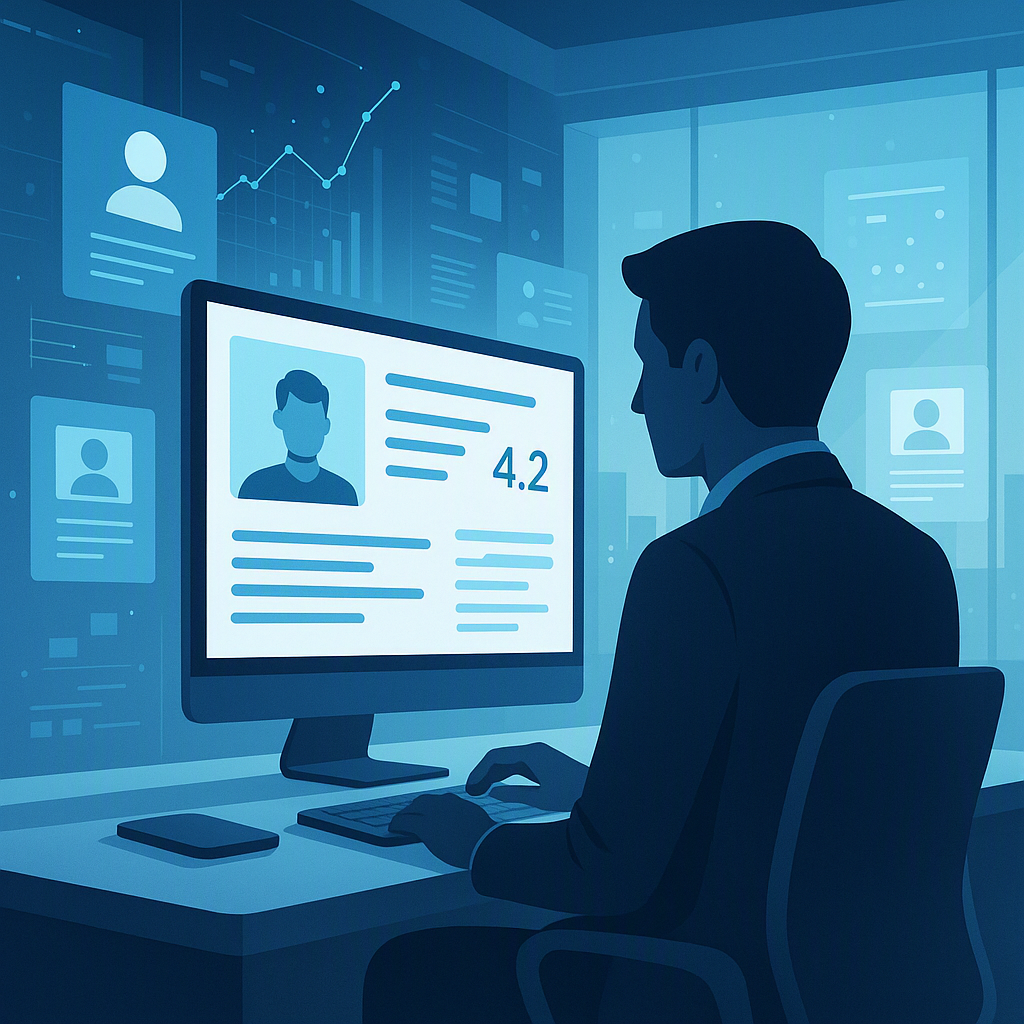
- Over-reliance on scoring: A high resume match score does not guarantee a great hire. Cultural fit and soft skills still require human evaluation.
- Ignoring fairness audits: AI systems can unintentionally perpetuate bias. Regular audits are essential to ensure fairness and accuracy.
- Underestimating training needs: HR teams need proper training to use AI tools effectively.
- Using AI for niche roles: Complex positions requiring interdisciplinary skills are better handled by humans. AI should be used as a filter, not a final decision-maker.
FAQ
Can AI really transform HR?
AI is a critical tool for making HR more efficient, strategic, and relevant. While it cannot solve all challenges, it can significantly enhance HR processes.
Is AI hiring biased?
AI systems can introduce bias if not properly managed. Regular audits and fairness checks are necessary to mitigate this risk.
What’s the biggest benefit of AI in HR?
Time savings. AI can streamline processes like resume screening, allowing HR teams to focus on higher-value tasks such as candidate experience and employer branding.
Can AI evaluate soft skills?
Not yet. AI is effective at matching qualifications to job descriptions but cannot assess soft skills or cultural fit. These decisions require human involvement.
What’s the future of AI in HR?
The future of HR is a hybrid model where AI handles data-driven tasks, and HR professionals focus on people-centric responsibilities.
The Bottom Line
HR must evolve to remain relevant in the rapidly changing workplace. AI offers tools to streamline processes, improve hiring quality, and enable HR teams to focus on strategic and human-centric tasks. By leveraging AI effectively, HR can transform into a proactive and indispensable function in any organization.