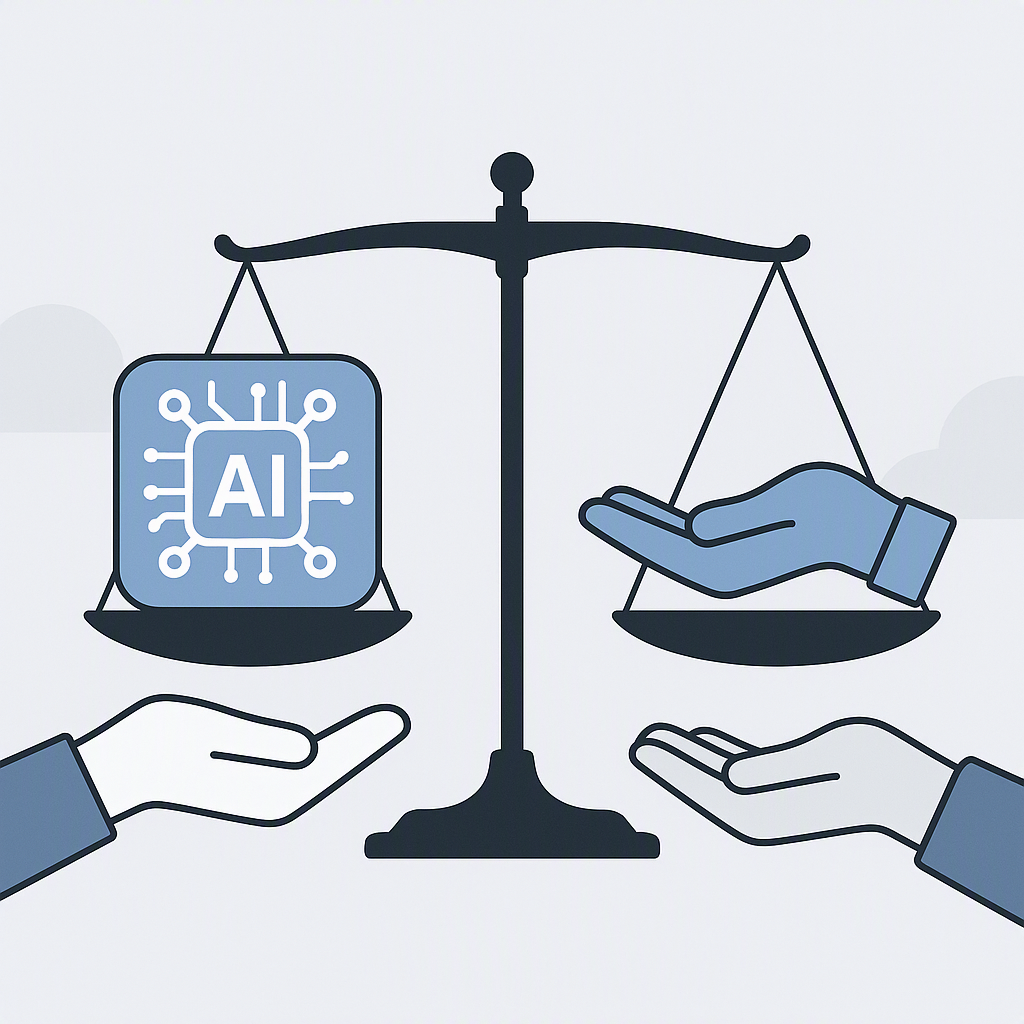
Why Manual Resume Screening is Broken
Recruiters spend hours sifting through resumes. Most of it feels like wasted time — you’re filtering out candidates who clearly aren’t qualified. According to SHRM, recruiters spend 23 hours on average screening resumes for a single hire. That’s absurd.
The problem isn’t just time. It’s inconsistency. When you’re reviewing hundreds of applications, your judgment can vary. One resume might stand out simply because it’s formatted better or comes in early. That’s not the best way to find top talent.
How AI Solves This
This is where AI-powered recruitment tools come in. Platforms like TalentNext analyze resumes at scale, scoring them against the job description in minutes. No bias, no exhaustion — just a clear focus on qualifications and relevance.
Example: Candidate Scorecards
Take TalentNext’s candidate scorecards. These aren’t just arbitrary numbers. The system evaluates resumes based on specific criteria from the job description: skills, experience, education, even keywords. You upload the resumes, and the tool produces ranked scorecards showing how well each candidate matches.
Let’s say you’re hiring a data analyst. Instead of manually combing through all 200 resumes, you upload them to TalentNext. The AI flags the top 20 candidates with the highest match scores. It even highlights why — maybe one has 5 years of Python experience, while another has certifications in Tableau. You can skip straight to engaging with those candidates.
Common Concerns About AI Recruitment
“Won’t AI miss the human touch?”
Good question. AI doesn’t replace human judgment; it enhances it. Tools like TalentNext handle the grunt work of filtering, so you can spend more time interviewing and building connections.
“What if the scoring is wrong?”
It’s not perfect. No tool is. But AI systems learn and refine as you use them. Plus, platforms like TalentNext let you tweak scoring criteria based on your hiring priorities. If industry certifications matter more than years of experience, you can adjust that.
Practical Benefits for Recruiters
Here’s what this means for your workflow:
- Faster screening: Automating resume analysis cuts screening time by up to 75%. Instead of spending weeks, you can shortlist candidates in a day.
- Consistent evaluation: Every resume gets scored using the same criteria, reducing bias and improving fairness.
- Focus on quality: You don’t waste time on unqualified applications. AI narrows the pool to the best matches.
What’s Next?
AI isn’t a magic bullet, but it’s a serious upgrade for recruitment teams drowning in resumes. If you’re still screening manually, it’s worth testing tools like TalentNext. Start small — upload a batch of resumes and see how the scoring aligns with your expectations.
When used right, AI lets you focus on what really matters: finding and connecting with great candidates.
Ready to see TalentNext in action?
AI-powered resume screening and recruitment platform that instantly analyzes and scores resumes to streamline hiring.
Get Started Free →