DEI in Hiring: A Persistent Problem
Hiring managers have been saying they want diverse teams for years. But the numbers don’t lie—progress has been slow. Why? Bias creeps in everywhere. It’s not always blatant, but even subtle preferences for certain schools, employment histories, or gaps in resumes can skew decisions. The result? Overlooked talent and teams that don’t reflect the real world.
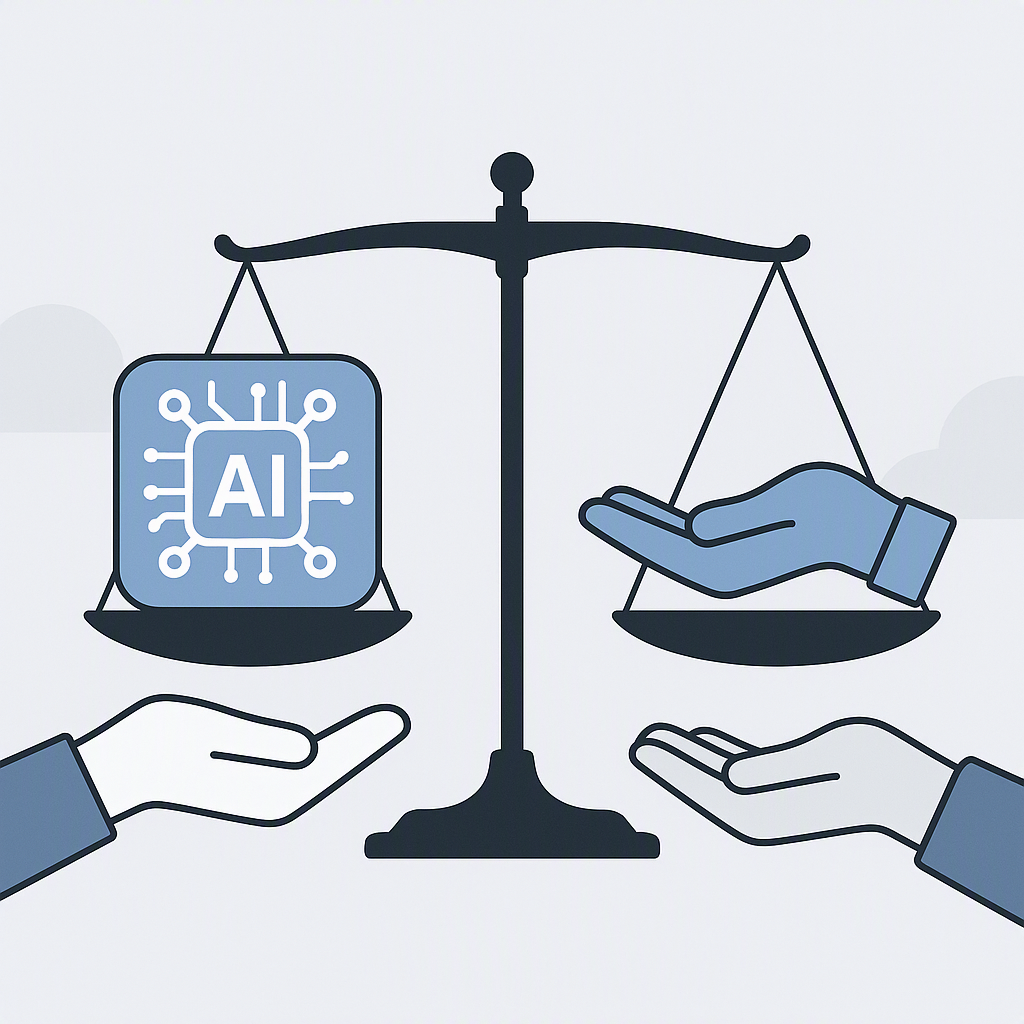
AI tools are changing this. When used correctly, they bring fairness to the hiring process, especially in the resume screening stage. But let’s be clear: AI isn’t perfect. It’s a tool, not a cure-all. You still need to understand how it works and where bias can sneak in.
How Bias Happens in Resume Screening
Let’s talk specifics. Bias in hiring often starts with the resume itself. A recruiter might unconsciously favor candidates who:
- Attended prestigious universities.
- Have uninterrupted work histories.
- Come from similar cultural backgrounds.
This isn’t always intentional, but the outcome is the same: missed opportunities for people who could excel in the role.
How AI Addresses Resume Bias
AI, when properly trained, can help mitigate this. For example, advanced AI tools analyze resumes based on job-relevant criteria like skills, certifications, and experience, while ignoring factors like names, genders, or employment gaps. This approach ensures that qualified candidates aren’t automatically filtered out because their resumes don’t align with traditional expectations.
Take TalentNext’s AI-powered resume screening tool. It evaluates resumes based on skills, experience, and alignment with job descriptions—not on irrelevant factors like employment gaps or personal details. For instance, if a job requires advanced project management skills and a PMP certification, TalentNext’s algorithm focuses on those credentials. It doesn’t care if someone took maternity leave or switched industries mid-career.
Actionable Steps to Address Bias in Screening
- Remove Identifiers: Ensure your AI tool anonymizes resumes by removing names, gender, and other personal details before screening.
- Define Job-Relevant Criteria: Clearly outline the skills, certifications, and experiences necessary for the role, and train your AI to prioritize these.
- Audit Regularly: Conduct quarterly audits of your AI tool’s results to ensure biases aren’t creeping in.
- Train Recruiters: Educate hiring teams about how AI works and how to interpret its results.
The Speed Problem: Why Manual Screening Hurts DEI
Speed might not seem like a DEI issue at first glance, but it’s directly tied to fairness. Here’s why:
When recruiters are overwhelmed with resumes, they tend to rely on shortcuts. Maybe they skim only the first page or prioritize resumes from candidates they already know. It’s human nature, but it’s not equitable.
The Human Factor: Why Speed Matters
With manual screening, time pressures often lead to unconscious bias. For example, recruiters may:
- Focus on familiar-looking resumes, such as those from candidates who attended well-known schools.
- Dismiss resumes with gaps, assuming the candidate lacks commitment.
- Skim and make snap judgments based on formatting or keyword placement.
How AI Speeds Things Up Without Sacrificing Fairness
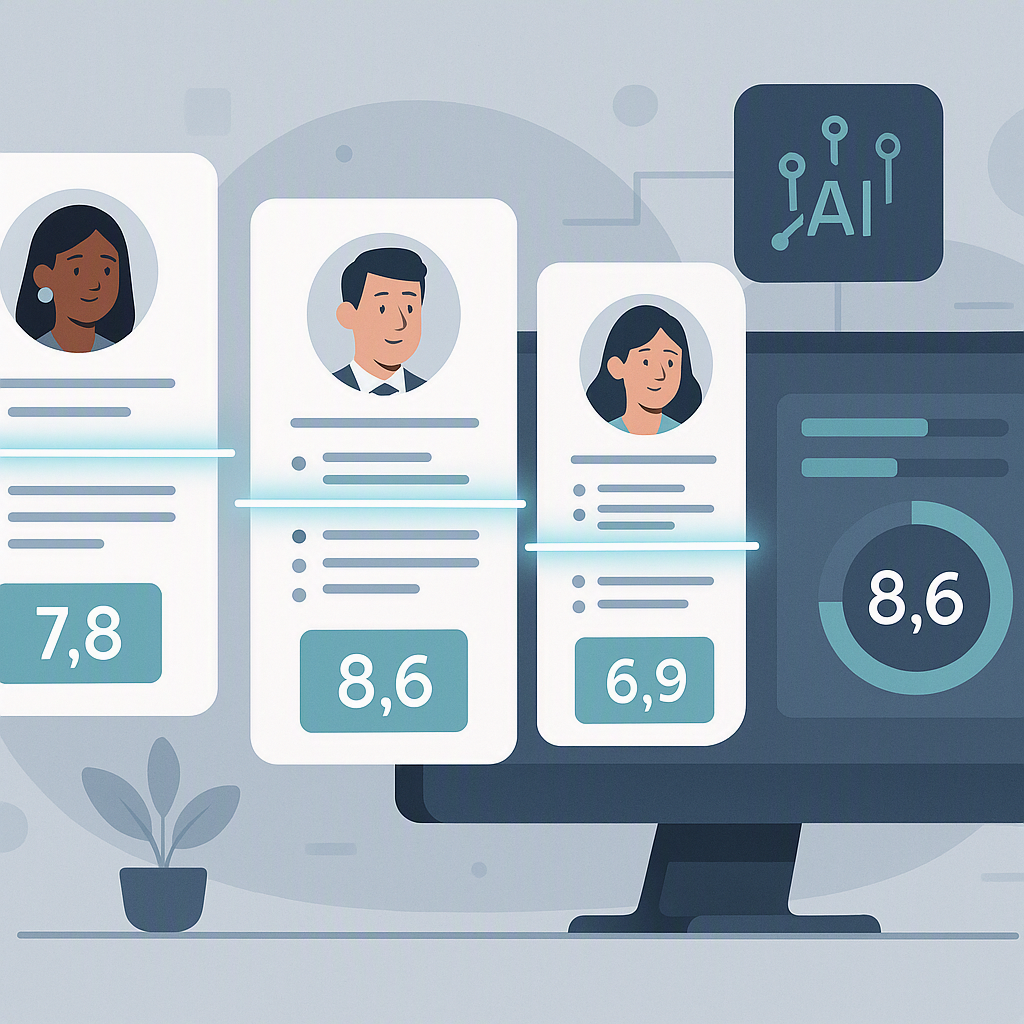
AI screening tools solve this by processing hundreds of resumes in minutes. TalentNext, for example, scores candidates against the job description and flags top matches. This means recruiters spend less time drowning in paperwork and more time engaging with strong contenders—including those they might’ve overlooked.
Actionable Steps to Improve Efficiency
- Automate Scoring: Use AI to evaluate resumes against job criteria, giving every applicant an equal opportunity.
- Batch Review: Let AI generate a shortlist of top candidates, reducing the manual workload.
- Focus on Interaction: Spend saved time on deeper, bias-free interviews and assessments.
The Fairness Factor: Can AI Really Eliminate Bias?
AI doesn’t have bad days. It doesn’t unconsciously favor candidates who share its alma mater—or have the same hobbies. When it’s implemented well, AI levels the playing field by giving every resume the same objective evaluation.
The Limitations of AI
But here’s the catch: AI is only as good as the data it’s trained on. If the training data is biased, the AI will be biased too. That’s why companies need to choose tools like TalentNext, which prioritize ethical AI practices. Regular audits and updates to the algorithm are critical.
Actionable Steps for Fair AI Implementation
- Choose Ethical Vendors: Work with AI providers who are transparent about their algorithms and data sources.
- Diversify Training Data: Ensure the AI is trained on inclusive datasets.
- Conduct Bias Testing: Regularly test the model for bias using edge cases (e.g., non-traditional career paths).
- Human Oversight: Always have recruiters cross-check AI results for fairness.
Comparison Framework: Manual vs. AI Screening
| Factor | Manual Screening | AI Screening |
|---|---|---|
| Time Efficiency | Slow (hours per batch) | Fast (minutes per batch) |
| Bias Risk | High (unconscious biases) | Medium (depends on data and training) |
| Consistency | Inconsistent (varies by recruiter) | Consistent (objective criteria) |
| Scalability | Limited | High |
| Cost Effectiveness | Labor-intensive | Initial cost, but saves time long-term |
Real-World Example: Reducing Bias in Tech Hiring
Let’s say you’re hiring for a software engineer role. Historically, this field has struggled with diversity. Women, minorities, and candidates with non-traditional career paths often get overlooked.
Using TalentNext’s resume screening tool, you upload 500 applications. The AI flags candidates based purely on their skills, certifications, and experience—not their names, schools, or employment gaps. One candidate stands out: a woman who switched to software engineering after a career in marketing. Without AI, she might’ve been passed over because her resume didn’t “look typical.”
FAQ: What Recruiters Want to Know
Q: Can AI evaluate cultural fit?
A: No. Cultural fit is subjective and requires human judgment. AI excels at narrowing down resumes so you can focus on deeper assessments during interviews.
Q: What if the AI flags the wrong candidates?
A: AI isn’t perfect, but it’s a starting point—not the final decision-maker. Use the scorecards as a guide, not gospel.
Q: How do I know the AI isn’t biased?
A: Look for tools like TalentNext that audit their algorithms and are transparent about how they evaluate resumes.
Q: Can AI help candidates improve their resumes?
A: Yes. TalentNext provides actionable feedback to candidates, helping them tailor their resumes to specific job descriptions.
Q: Does AI replace recruiters?
A: No. AI enhances the process by handling repetitive tasks, but human judgment is still essential for final decisions.
Common Mistakes to Avoid
- Blind trust: AI isn’t infallible. Combine its insights with human judgment.
- Ignoring training data: Make sure your AI tool is trained on diverse, inclusive data.
- Over-reliance on scoring: A high match score doesn’t guarantee a great hire. Soft skills and cultural fit still matter.
The Bottom Line
DEI in hiring isn’t just a nice-to-have; it’s a business imperative. AI tools like TalentNext help you get there faster by eliminating bias in resume screening and speeding up the recruitment process. But remember: fairness requires effort. Choose ethical tools, stay involved, and keep challenging your own assumptions.
If you’re ready to improve fairness and speed in hiring, TalentNext can help →.