The Hiring Bottleneck We Didn’t See Coming
For years, I believed that the biggest obstacle in recruitment was finding the right talent. That’s what everyone said, right? "The talent pool is too shallow," "We’re not getting enough qualified applicants," and so on. But after working in recruitment for over a decade, I’ve realized something: the problem isn’t the lack of candidates—it’s the sheer volume of them.
Think about it. You post a job, and overnight, your inbox is flooded with hundreds, sometimes thousands, of resumes. Most of them are irrelevant, but you still have to go through every single one to find the five or ten worth calling. It’s tiring, time-consuming, and incredibly inefficient. In fact, a recent McKinsey report noted that recruiters spend up to 60% of their time screening resumes. That’s hours wasted—time that could’ve been spent engaging with top candidates or refining your hiring strategy.
And then there’s the candidate experience. Imagine applying to 20 jobs and hearing nothing back. No feedback, no status updates—just silence. It’s no wonder a 2023 LinkedIn survey found that 85% of job seekers feel frustrated by the lack of transparency in hiring processes.
This dual problem—overwhelmed recruiters and disheartened candidates—has created a bottleneck in hiring that many organizations haven’t even realized exists. And it’s not just a logistical issue; it’s a reputational one. Companies that fail to address this bottleneck risk alienating top talent and losing ground in today’s competitive job market.
Enter AI Interview Tools: Not Just for Recruiters
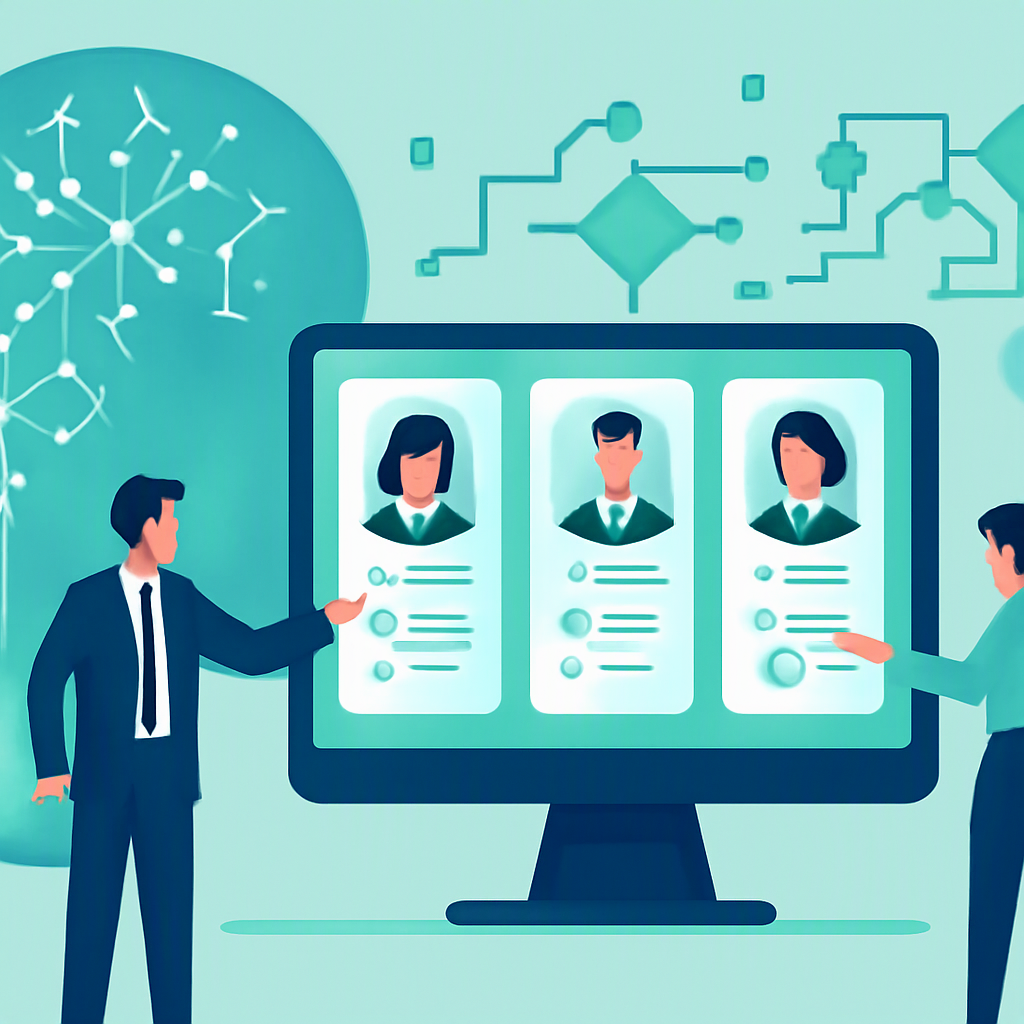
AI-powered recruitment tools are often pitched as time-savers for recruiters—and they are. Platforms like TalentNext can process thousands of resumes in minutes, scoring them against job descriptions and presenting only the most relevant candidates. A mid-sized tech company, for example, reported cutting their screening time by 70%, going from three days to just a few hours. But here’s the twist: these tools don’t just help recruiters. They’re also a game-changer for candidates.
Why? Because they level the playing field. AI tools like TalentNext provide candidates with feedback on their resumes, helping them understand why they may not have been shortlisted. This isn’t just a "thanks, but no thanks" email. It’s real, actionable advice on how to improve. For instance, if a candidate’s resume lacks quantifiable achievements or doesn’t align with the job description, the AI points it out. This kind of feedback used to be a luxury—something you’d only get if you had a mentor or paid for career coaching. Now, it’s accessible to everyone.
Actionable Steps to Incorporate AI Recruitment Tools
If you’re considering adopting AI for your hiring process, here are a few steps to get started:
-
Audit Your Current Process: Identify where bottlenecks occur. Are you spending too much time screening resumes? Is candidate communication falling through the cracks? Knowing where the pain points are will help you deploy AI more effectively.
-
Choose the Right Platform: Not all AI tools are created equal. Look for platforms that prioritize transparency and fairness, like TalentNext. Ensure the tool offers detailed candidate feedback and customizable settings to match your company's specific needs.
-
Train Your Team: AI tools are powerful, but they require proper usage. Train your recruiters to understand how the AI works, interpret its outputs, and integrate it into their workflows.
-
Monitor and Optimize: AI tools aren’t set-it-and-forget-it solutions. Continuously monitor their performance, gather feedback from candidates and recruiters, and make adjustments as needed.
How AI Enhances the Candidate Experience
Let’s break it down. Candidates often feel like they’re sending applications into a black hole. With AI tools, that changes. Here’s how:
-
Instant Feedback: Instead of waiting weeks (or forever) for a response, candidates get immediate insights into their application. For example, TalentNext’s platform generates a scorecard that shows how well their resume matches the job requirements.
Actionable Tip: When implementing AI, ensure that the feedback provided to candidates is clear and actionable. Avoid generic statements like "your application does not meet our requirements." Instead, provide specific insights, such as "add measurable outcomes to your job descriptions" or "include keywords from the job posting."
-
Transparency: AI tools can explain why a candidate wasn’t shortlisted. Maybe their skill set doesn’t match the job description, or their resume lacks key details. This kind of transparency builds trust and helps job seekers improve for future opportunities.
Practical Example: A candidate applying for a project management role might be informed that their resume is missing critical skills like Agile methodology or resource allocation experience. They can then update their resume accordingly for future applications.
-
Fairness: Unlike humans, AI doesn’t get tired or biased. It evaluates every resume using the same criteria, which means candidates are judged solely on their qualifications and fit for the role. This is particularly important in regions like the Gulf, where diverse talent pools require objective screening to avoid unconscious bias.
Comparative Insight: Traditional resume screening is prone to biases—conscious or unconscious. For instance, human screeners might unconsciously favor candidates from certain universities or with certain names. AI eliminates such biases by focusing purely on qualifications and experience.
What About the Human Touch?
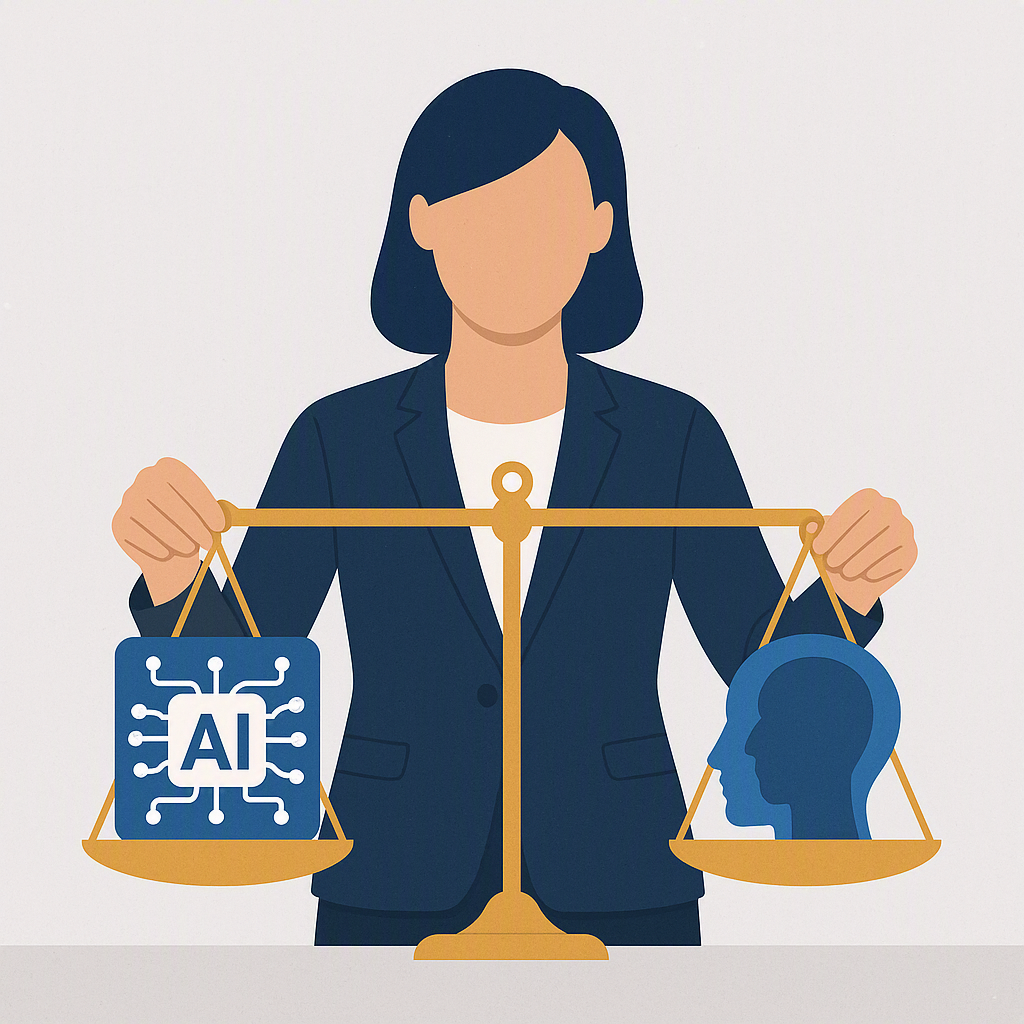
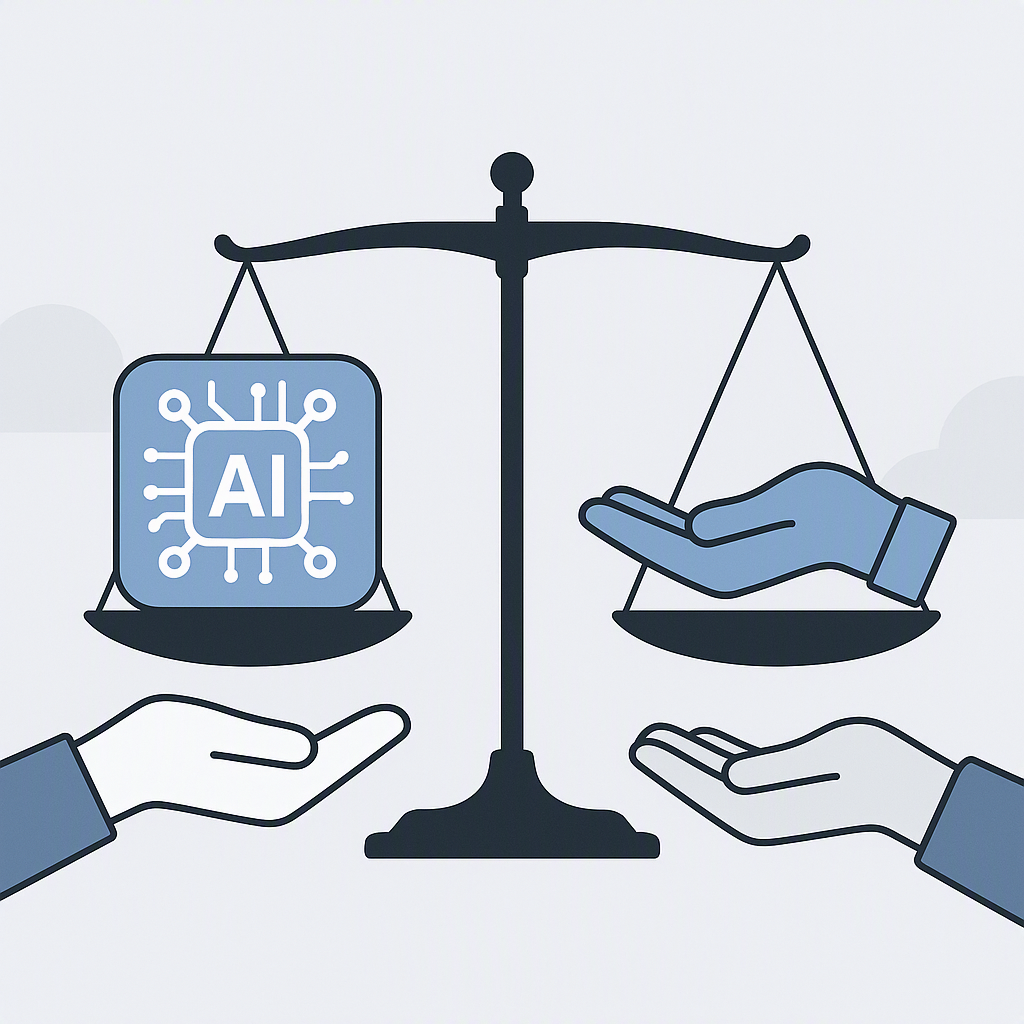
Here’s the argument I hear all the time: "AI can’t replace the human touch in recruitment." And you know what? I agree. AI interview tools aren’t perfect. They’re not going to tell you if someone’s a cultural fit or if they’ll mesh well with your team. That’s where human judgment comes in.
But here’s the thing: AI isn’t meant to replace humans—it’s meant to help us. By taking over repetitive tasks like resume screening and initial evaluations, AI frees up recruiters to focus on what they do best: engaging with candidates, building relationships, and making nuanced hiring decisions. It’s about finding the right balance. Use AI for what it’s good at (processing data, identifying patterns) and rely on human intuition for the rest.
Addressing the Skepticism
Now, I know what some of you are thinking: "Can I really trust an algorithm to make hiring decisions?" This skepticism isn’t unfounded. A study published in the Harvard Business Review found that only 1 in 10 job seekers trust AI interviews. The main concerns? Bias and lack of transparency.
But here’s the reality: AI is only as good as the data it’s trained on. If the data is biased, the AI will be too. That’s why it’s crucial to choose a platform like TalentNext that prioritizes fairness and transparency. For example, TalentNext provides insights into how it evaluates candidates, ensuring that the process is as clear as possible.
Transparency is key. Candidates should know how they’re being evaluated and have a chance to improve. This not only builds trust but also helps you attract better talent. After all, a positive candidate experience can be a huge differentiator in a competitive job market.
Final Thoughts
AI interview tools are here to stay, and they’re only going to get better. The key is to use them wisely: automate where it makes sense, but don’t lose sight of the human element. After all, hiring is about people. And people deserve more than just a good job—they deserve a good experience.
Comparison: Traditional vs. AI-Driven Recruitment
| Feature | Traditional Recruitment | AI-Driven Recruitment |
|---|---|---|
| Resume Screening Time | Hours or days | Minutes |
| Candidate Feedback | Rare or generic | Immediate and specific |
| Potential for Bias | High | Low (if implemented correctly) |
| Fairness | Variable | Consistent |
| Recruiter Focus | Administrative tasks | Strategic engagement |
Ready to See How AI Can Help?
If you’re tired of drowning in resumes or want to give candidates the feedback they deserve, TalentNext can help. Get started today →