Manual resume screening is slow. Painfully slow. If you’ve ever been buried under a pile of resumes for a single position, you know exactly what I mean. Some recruiters spend hours—sometimes days—sorting through applications just to find a handful of qualified candidates.
Why’s it such a slog? Because most resumes don’t match the job description. You’re skimming through generic cover letters, irrelevant experience, or worse—keyword-stuffed nonsense. It’s draining and takes time away from engaging with the truly exceptional candidates.
This is where AI-powered recruitment software flips the script. Tools like TalentNext analyze resumes instantly. No manual screening, no wasted time. You upload a batch of resumes, and the AI scores them against the job description. Candidates who don’t fit? Filtered out. Top matches? Pushed straight to the front of your pipeline.
Here’s what makes this process work: AI-powered scoring. TalentNext’s algorithms compare resume content with your job posting criteria. Think skills, experience, and even the tone of the resume. It’s not about just matching keywords (which can be gamed); it’s about relevance. For example, if you’re hiring a software engineer, the AI prioritizes candidates with hands-on coding experience over someone who simply lists “team player” as a skill.
And it’s fast. Really fast. TalentNext cuts screening time by up to 75%. That’s not marketing fluff—it’s backed by recruiters who’ve switched from manual methods to AI tools. Imagine going from slogging through 300 resumes to having a curated list of 20 high-quality candidates in minutes.
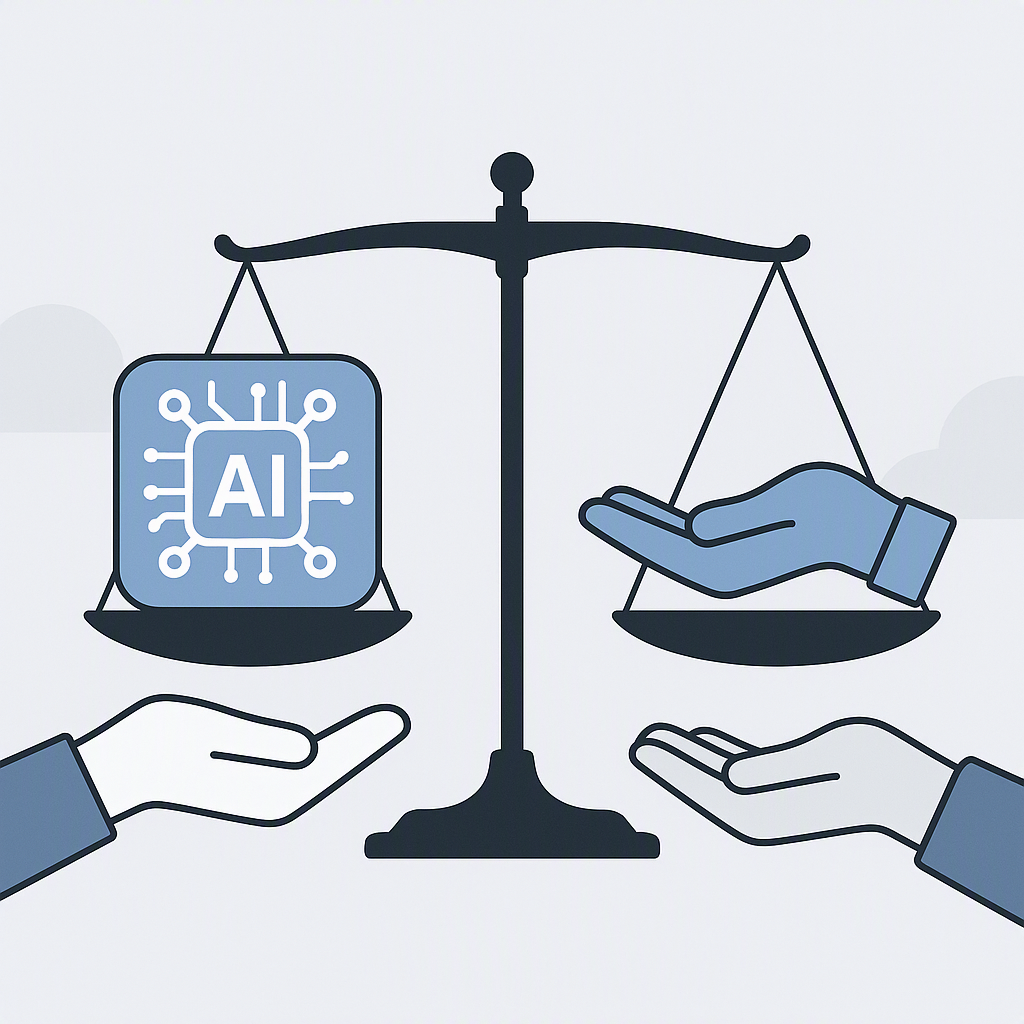
You might be thinking, “How accurate is this? What if the AI misses someone great?” Fair question. No tool is perfect, and AI isn’t a replacement for human judgment. But it’s a killer first-pass system. You still get the final say on who moves forward, but now you’re starting with the cream of the crop instead of the entire pool.
Another side benefit? Consistency. Humans have biases—whether we admit it or not. AI doesn’t care about where someone went to school or what their name sounds like. It scores candidates purely on merit, which leads to fairer screening outcomes. This is especially useful in large applicant pools where unconscious bias can creep in.
Want more proof this works? This article by Ewance breaks down how AI algorithms are transforming campus recruitment. Universities and companies are using AI to identify top students for internships and entry-level jobs without wading through hundreds of irrelevant applications.
Of course, AI isn’t perfect. If your job description isn’t well-written, the AI can’t magically fix it. Garbage in, garbage out. That’s why TalentNext includes features like instant job posting from uploaded descriptions. It helps you craft better listings that actually attract qualified candidates.
Bottom line? If you’re still manually screening resumes, you’re wasting time. Tools like TalentNext don’t just speed up the process—they improve the quality of your shortlist. And isn’t that the end goal? To spend less time sorting and more time hiring.
Ready to see TalentNext in action?
AI-powered resume screening and recruitment platform that instantly analyzes and scores resumes to streamline hiring.
Get Started Free →