Hiring takes too long. You know it, we know it. The average time-to-hire in the U.S. is 36 days, according to SHRM SHRM. For many companies, that’s 36 days too many. Every extra day you spend screening resumes is another day a critical role sits empty, productivity stalls, and the team gets stretched thin.
The biggest bottleneck? Resume screening. Manually reviewing hundreds (or thousands) of applications eats up time. Worse, it’s inconsistent. Recruiters are human; they get tired, miss details, or evaluate candidates differently.
That’s where intelligent screening platforms come in. Specifically, let’s talk about AI-powered bulk resume analysis—a feature that doesn’t just save time but transforms how you approach hiring.
Why Bulk Resume Processing Changes Everything
Manual screening means opening resumes one by one, scanning for keywords, and hoping your gut instinct doesn’t let you down. It’s a grind. With AI, you can upload hundreds of resumes at once and get instant feedback. The platform evaluates each resume against the job description, scores them, and ranks candidates by fit.
Let’s say you’ve got 500 resumes for a mid-level marketing role. Without AI, you’d spend 6-8 minutes per resume, which adds up to 50+ hours of work. With a tool like TalentNext, you get a ranked list of candidates in under 30 minutes. That’s not marketing fluff—it’s math.
But Does It Actually Work?
You might be skeptical. Does AI really understand what makes a candidate a good fit? The short answer: It depends on the algorithm. A good platform doesn’t just keyword-match. It looks at context, like whether a candidate’s experience aligns with the job’s responsibilities or if their skills are relevant to the industry. For example, TalentNext’s scoring system weighs multiple factors, including job title relevance, years of experience, and even how well a resume is formatted for ATS systems.
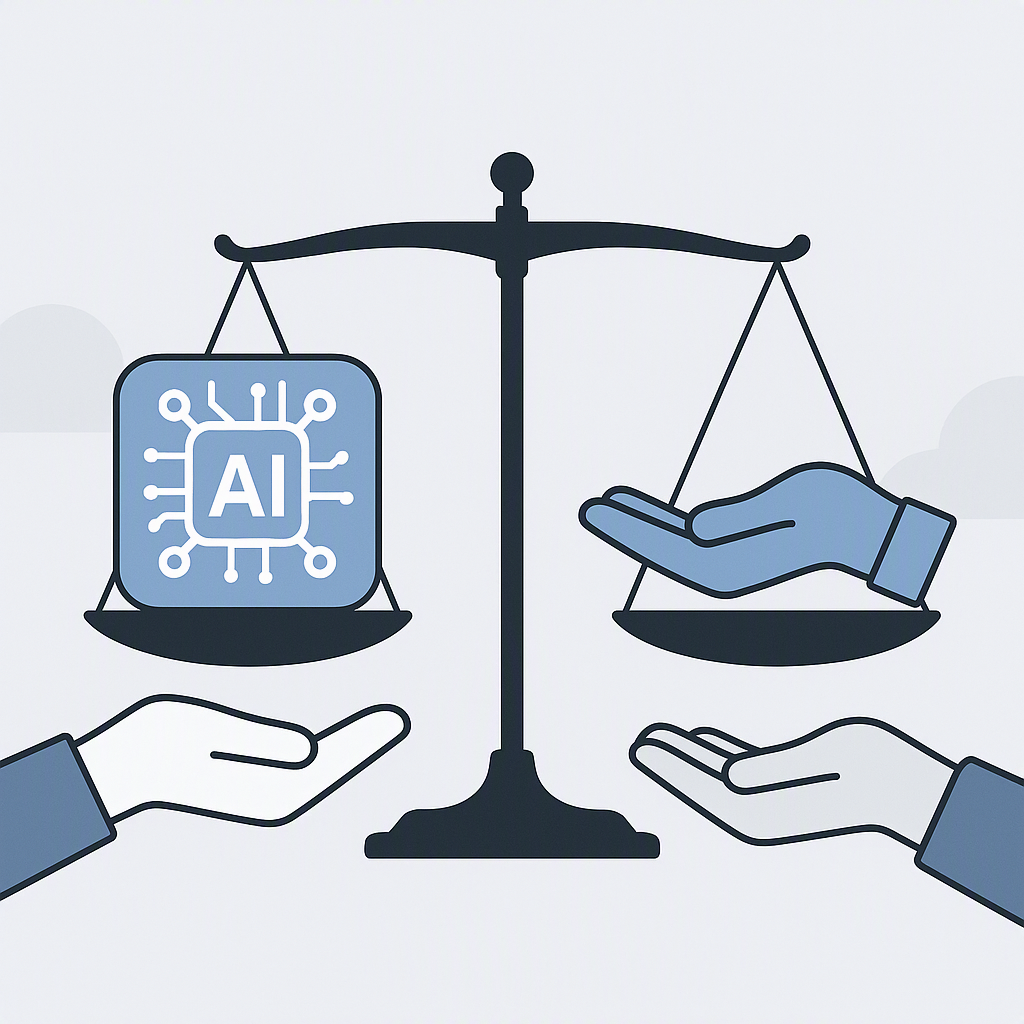
It’s not perfect. No tool can replace human judgment entirely. But it doesn’t have to. AI narrows the field so you’re only spending your time on the top candidates. Think of it as a first-pass filter, not the final decision-maker.
What About Bias?
AI gets a bad rap for perpetuating bias, and it’s a valid concern. If your training data is biased, your AI will be too. That’s why platforms like TalentNext are designed to flag potential bias in job descriptions and resume language. For instance, if a job description overemphasizes “aggressive” traits, it might disproportionately filter out women.
The key is to pair AI with thoughtful human oversight. Use the tool to speed up the process, but keep your team involved to ensure fairness.
Practical Example: A Real-World Impact
One of our clients, a mid-sized tech startup, was drowning in applications for a software engineer role. They had a lean recruitment team—just two people—and 700 resumes to review. Using TalentNext’s bulk upload feature, they cut their screening time from two weeks to two hours. They hired a candidate in 18 days, nearly halving their usual time-to-hire.
The takeaway? When you’re not buried in low-quality resumes, you can focus on engaging top candidates faster. And that’s the real value.
Is AI Right for Your Team?
AI screening platforms aren’t one-size-fits-all. If you’re hiring for niche roles with a small talent pool, manual screening might still be your best bet. But if you’re dealing with high-volume hiring or struggling to keep up with applicant flow, it’s worth considering.
The bottom line: Time-to-hire matters. The longer you wait, the higher the risk of losing top candidates to faster-moving competitors. Tools like TalentNext aren’t just nice-to-haves—they’re becoming essential.
Want to see what AI can do for your team? Start with a bulk resume upload. You’ll see the difference in minutes.
Ready to see TalentNext in action?
AI-powered resume screening and recruitment platform that instantly analyzes and scores resumes to streamline hiring.
Get Started Free →