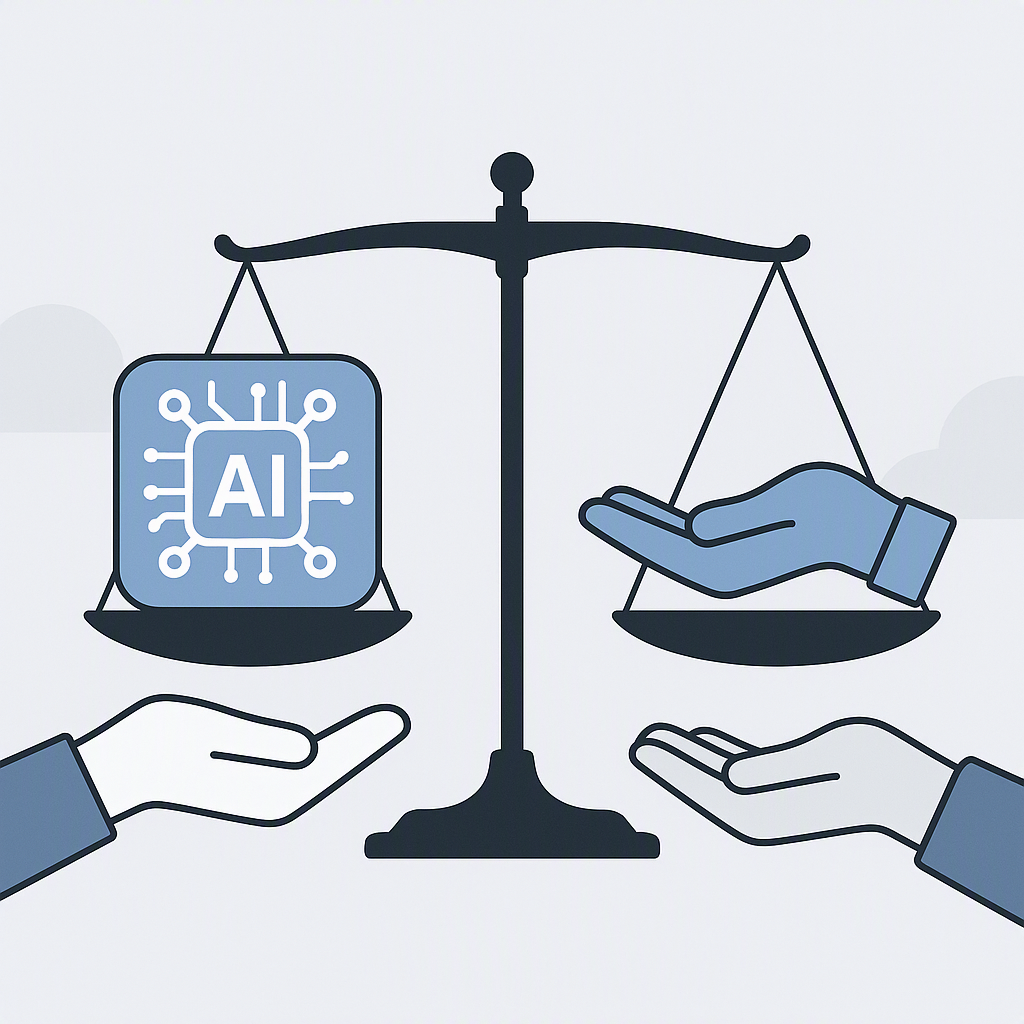
How New Grads Can Navigate a Challenging Job Market with AI Tools
The job market for new and recent grads isn’t just competitive—it’s challenging. Gone are the days when a degree guaranteed a foot in the door. Now, new grads face an avalanche of job applications, inconsistent feedback, and vague rejections. It’s frustrating—and exhausting.
But here’s the thing: it’s not impossible. Many grads are finding their way through this chaos with the help of smarter tools, clearer strategies, and a whole lot of persistence. Below, we explore common challenges faced by new grads and how solutions like AI-powered tools can help them adapt.
1. The Importance of an ATS-Friendly Resume
Many new grads assume their resumes are perfect, only to find they’re not getting responses. One common issue is that resumes may not be optimized for Applicant Tracking Systems (ATS), which many companies use to pre-screen applications. If your resume doesn’t include the right keywords or formatting, it may never even reach a human recruiter.
Takeaway: If you’re not tailoring your resume for ATS software, it doesn’t matter how great your experience is—it may never get seen. Use tools that analyze your resume against job descriptions to bridge the gap.
2. Standing Out in a Sea of Applications
Recruiters often receive hundreds of applications for a single job posting, making it easy for qualified candidates to get overlooked. AI-driven tools can help recruiters by ranking resumes based on how well they match job requirements, ensuring that strong candidates are more likely to be noticed.
Takeaway: The volume of applications in today’s market is overwhelming. AI tools can help recruiters focus on top candidates, ensuring qualified grads aren’t overlooked.
3. Overcoming the “Experience” Barrier
A common challenge for new grads is the demand for experience in “entry-level” roles. Many grads have valuable skills from internships, volunteer work, or part-time jobs, but they may not know how to present these experiences effectively.
Takeaway: AI tools can help identify transferable skills and suggest ways to frame your experiences in a way that aligns with job requirements. Highlighting measurable results and relevant skills can make a big difference.
4. Dealing with Post-Interview Ghosting
It’s not uncommon for candidates to feel confident after an interview, only to be met with silence. While companies may lack the resources to provide updates to every candidate, some hiring platforms now offer automated updates and feedback loops to keep candidates informed.
Takeaway: While ghosting isn’t entirely avoidable, using platforms that prioritize communication and feedback can help grads stay informed and plan their next steps.
5. Focusing on the Right Job Opportunities
Casting a wide net by applying to every job you come across can lead to frustration and rejection. Instead, focusing on roles that align with your strengths and skills can yield better results.
Takeaway: Use job-matching tools to identify roles that align with your strongest skills and focus your efforts there. This targeted approach can improve your chances of success.
6. Navigating Salary Negotiations
Many new grads are unsure how to approach salary negotiations or even what a fair entry-level salary looks like. Researching market rates through resources like Glassdoor or Payscale can provide a baseline. Additionally, understanding how competitive your resume is for a role can give you leverage in negotiations.
Takeaway: Don’t settle for less. Use data and research to back up your worth during salary negotiations.
7. Making Your Application Stand Out
In a competitive job market, it’s crucial to differentiate yourself. This doesn’t necessarily mean reinventing the wheel—it could be as simple as highlighting specific certifications or adding relevant keywords to your resume.
Takeaway: Standing out often involves presenting your skills in a way that aligns with what employers are looking for. AI tools can help identify gaps and suggest improvements to make your application more compelling.
Wrap-Up: The Role of AI in a Shifting Job Market
The labor market is tough on new grads, but it’s not unbeatable. Tools that analyze resumes, optimize applications for visibility, and provide feedback can significantly increase the chances of landing an interview. It’s not about gaming the system—it’s about understanding it and showing your best self.
Whether you’re a recruiter struggling to sort through endless resumes or a new grad trying to stand out, leveraging the right tools and strategies can make a world of difference.
FAQs
1. How does an AI resume screening platform work?
AI systems analyze resumes by comparing their content to job descriptions, identifying key criteria, and ranking candidates based on how well they match.
2. Can AI tools really help improve my resume?
Yes. By identifying gaps, suggesting keywords, and offering formatting tips, AI tools can make your resume more appealing to both systems and humans.
3. Are AI resume tools expensive?
Many platforms offer free trials or affordable plans for job seekers.
4. Do I need to worry about AI replacing human judgment in hiring?
Not entirely. AI simplifies the process, but humans still make the final decisions. Think of AI as a tool to get your application noticed.
5. What if my resume doesn’t score well on an AI tool?
That’s the point! Use the feedback to improve your resume. AI tools don’t just screen—they guide you on how to fix issues.