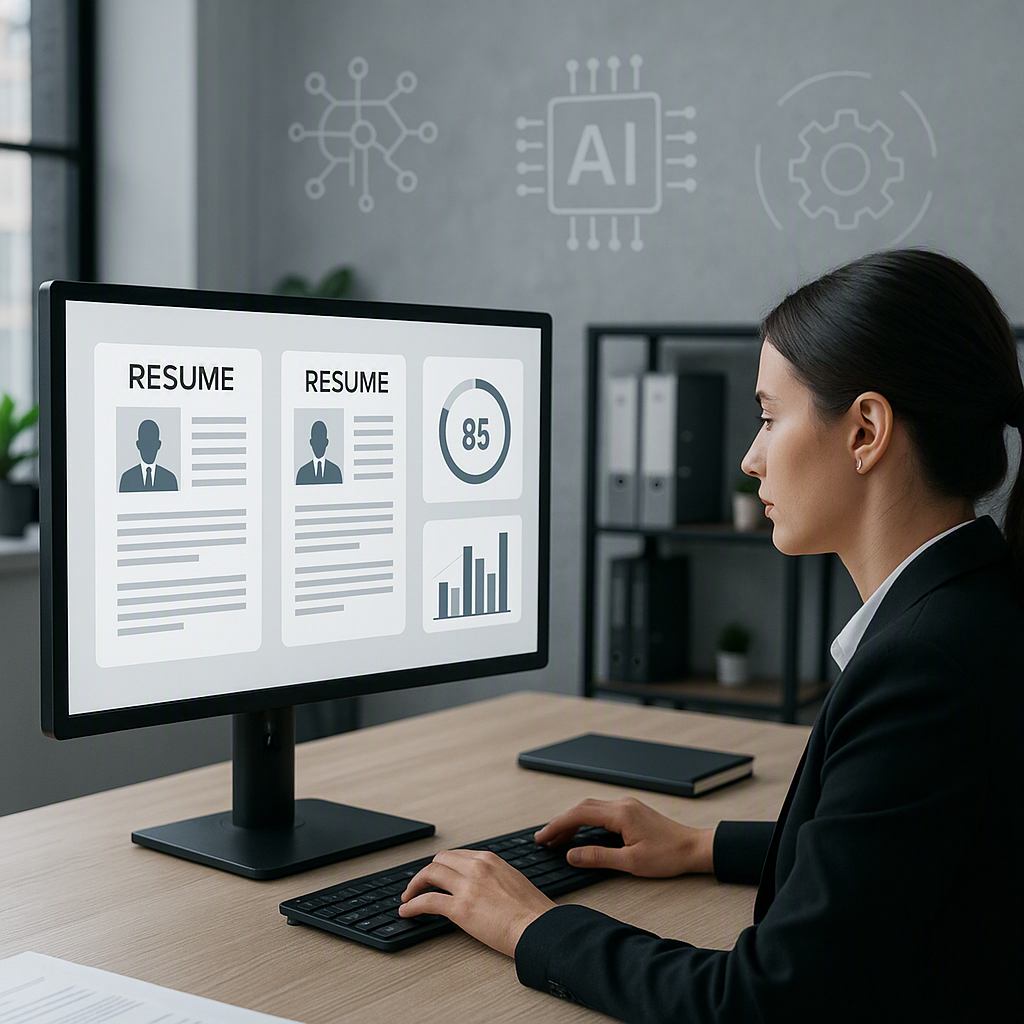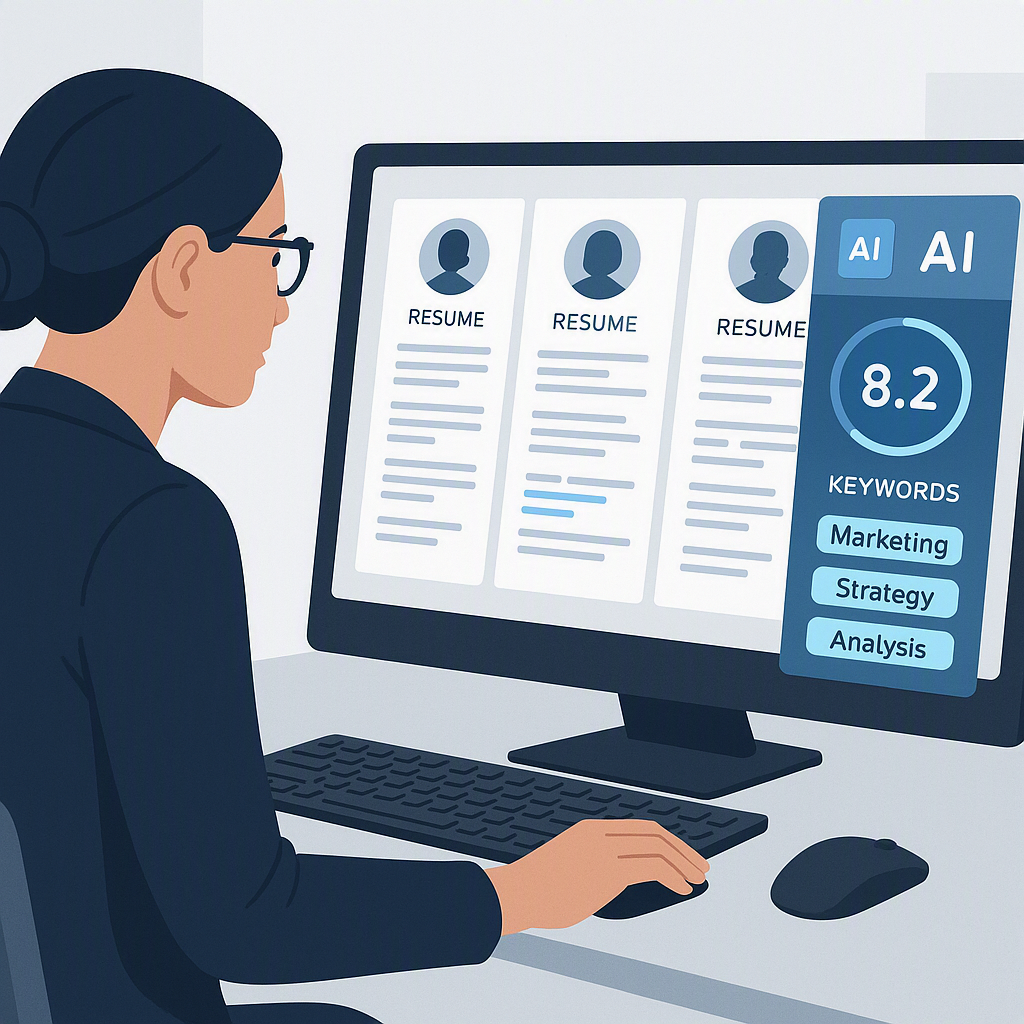
Let’s be honest: AI has significantly transformed how we screen resumes. With the help of AI tools, recruiters can focus on narrowing down candidate pools more efficiently. However, even the most advanced algorithms can miss out on hidden gems.
Why? AI excels at analyzing structured data—such as experience, keywords, and degrees—but it struggles with nuance. It might not recognize the value of unconventional career paths, side projects, or skills gained outside traditional frameworks. This can lead to overlooking candidates who don’t fit the “expected” mold but possess exceptional potential.
The Hidden Talent Problem
How often have you encountered a resume that doesn’t stand out on paper, yet the person behind it turns out to be an exceptional hire? For instance, someone may have learned coding through a bootcamp instead of earning a computer science degree, or gained valuable skills through freelancing that don’t align with conventional job titles. AI systems might flag these candidates as less suitable or even exclude them entirely.
Automated systems often rely on matching keywords and structured data, which can inadvertently filter out candidates with non-traditional backgrounds. While AI tools are designed to minimize this risk by recognizing variations in keywords, they are not infallible. Human oversight remains essential.
Practical Steps to Prevent Overlooked Talent
Here are three actionable steps recruiters can take to ensure they don’t miss out on hidden talent:
1. Customize Scoring Criteria
Don’t rely solely on default settings in AI tools. Adjust the scoring criteria to account for non-traditional qualifications, such as certifications, project experience, or bootcamp credentials. This ensures candidates with unconventional paths are not unfairly penalized.
2. Review the "Maybes"
AI can help narrow down large applicant pools, but it’s important to manually review resumes flagged as "maybes." These candidates might not perfectly match the job description but could bring unique skills or perspectives to the role.
3. Keep Bias in Check
AI systems are only as unbiased as the data they are trained on. If the training data favors certain schools, job titles, or demographics, the AI may perpetuate those biases. Regularly audit and adjust your algorithms to ensure diversity and inclusivity in the hiring process.
The Role of Recruiter Judgment
AI cannot evaluate soft skills, cultural fit, or potential. It cannot assess a candidate’s drive to learn or adaptability to your company culture. These are areas where human judgment is indispensable.
Think of AI as a tool to assist you in the recruitment process, not as a replacement for your expertise. Use the time saved by automated screening to delve deeper into the nuances of each candidate. Focus on the intangibles that don’t show up in keyword matches.
Common Missteps to Avoid
Even with advanced tools, mistakes can happen. Here are some pitfalls to watch out for:
- Over-reliance on AI: Balance AI with human intuition to ensure a comprehensive evaluation.
- Ignoring soft skills: Resumes provide a snapshot of experience but don’t reveal interpersonal skills or stress management capabilities. Address these during interviews.
- Focusing too narrowly: Rigid scoring criteria can exclude candidates with transferable skills. Be flexible, especially for roles where diverse experiences can be an asset.
FAQ: Spotting Hidden Talent with AI
Q: Can AI evaluate soft skills?
Not yet. Interviews and reference checks are essential for assessing soft skills and cultural fit.
Q: What if my AI tool is biased?
Bias often stems from the data used to train the AI. Choose tools that allow you to audit and customize scoring criteria to mitigate bias.
Q: How can I spot non-traditional candidates?
Customize your scoring criteria and manually review flagged resumes. Look for transferable skills and experiences that may not fit traditional molds.
Q: Does this mean AI is flawed?
AI is not flawed but has limitations. It’s a tool designed to assist, not replace, human judgment. Use it to save time while ensuring thorough candidate evaluation.
The Bottom Line
AI has transformed recruitment, but it’s not without blind spots. By customizing scoring criteria, reviewing flagged resumes, and applying human judgment, recruiters can strike the right balance between technology and insight. This approach ensures that hidden talent is not overlooked and that hiring decisions are both efficient and inclusive.