I Used to Think DEI Was a Nice-to-Have, Not a Business Essential
Honestly, I didn't always prioritize diversity, equity, and inclusion (DEI) in hiring. I thought it was a bonus, not a necessity. Sure, having diverse teams sounded great, but when deadlines were looming and the pressure to fill roles quickly was on, DEI took a back seat. After all, hiring is hiring, right? As long as the job gets done, who cares if the team ticks every diversity box?
That’s not a confession I’m proud of. But that was my mindset.
The Reality Check: Why Neglecting DEI Can Backfire
Then came the wake-up call. Companies that neglect DEI in their hiring practices often face significant risks, including potential legal challenges and reputational damage. For example, hiring algorithms that are not designed to evaluate candidates equitably can unintentionally amplify existing disparities. This can lead to claims of discrimination and scrutiny from regulatory bodies.
Beyond legal risks, companies that fail to prioritize DEI may lose out on top talent. Candidates from underrepresented groups may feel excluded or undervalued, leading them to seek opportunities elsewhere. This not only limits the talent pool but also undermines efforts to build innovative and high-performing teams.
Let’s break down some of the concrete ways neglecting DEI can backfire:
- Legal Risks: Discrimination lawsuits can be costly, both financially and in terms of public perception. In 2023 alone, several large organizations faced settlements exceeding millions of dollars due to hiring bias claims. Laws like the Equal Employment Opportunity Act in the U.S. make it clear that biased hiring practices won’t be tolerated.
- Reputational Damage: In the age of social media, a lack of DEI can quickly become a public relations disaster. Candidates who feel excluded can share their experiences online, leading to backlash and calls for boycotts.
- Missed Talent Opportunities: Research from McKinsey shows that companies with diverse teams outperform their peers financially. Those who fail to prioritize DEI risk losing out on the unique ideas, perspectives, and skill sets that diversity brings.
Why I Was Wrong to Downplay DEI
Looking back, I can see why my old belief hung around so long. DEI can feel abstract, like something HR talks about at workshops but doesn’t directly impact day-to-day hiring. And let’s be real—recruiters and hiring managers are slammed. When you’re sorting through hundreds of resumes, the thought of adding “equitable practices” to your process seems like one more thing to slow you down.
But here’s what I missed: diversity isn’t just good optics. It’s about building stronger teams, driving innovation, and—importantly—avoiding costly legal battles. Studies from McKinsey consistently show that diverse companies outperform their peers financially. And yet, many of us ignore the systems we use to evaluate candidates, trusting tools and processes that may unintentionally perpetuate bias.
Let’s explore how DEI directly impacts business outcomes:
| Aspect | Companies with Strong DEI Practices | Companies Neglecting DEI |
|---|---|---|
| Innovation | Diverse teams generate 19% more revenue from innovation (BCG study) | Limited ideas due to homogeneity |
| Financial Performance | Outperform peers by up to 35% (McKinsey) | Flat or declining growth |
| Employee Retention | Higher satisfaction and lower turnover rates | High attrition, especially among underrepresented groups |
| Reputation | Attract top talent and customers who value equity | Risk of public backlash and exclusion from partnerships |
What I Do Differently Now
Today, I approach hiring with DEI at the forefront. And no, this doesn’t mean spending hours manually reviewing every resume to ensure fairness. It’s about using smarter tools and adopting practices that help reduce bias without sacrificing efficiency.
Steps to Integrate DEI into Hiring Practices
-
Audit Existing Processes: Regularly review hiring practices and tools to identify potential biases. This includes evaluating job descriptions, interview questions, and decision-making criteria. For example, studies have shown that certain words in job descriptions (e.g., “competitive” or “ninja”) can deter candidates from underrepresented groups. Tools like Textio can help optimize language for inclusivity.
-
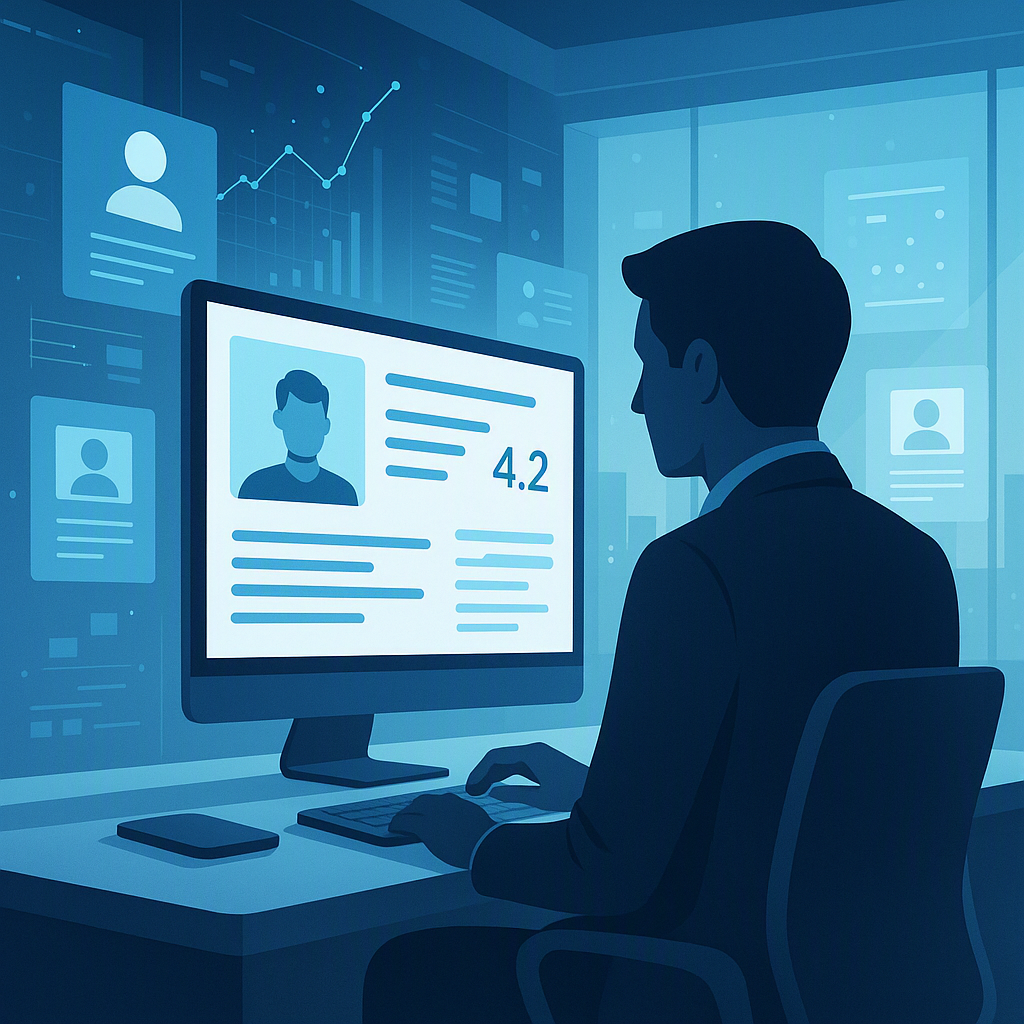
Use Technology Thoughtfully: AI-powered resume screening platforms can help identify and minimize bias. However, it’s crucial to ensure these tools are trained on diverse datasets and are regularly audited for fairness. For instance, HireVue and Pymetrics claim to use AI to reduce bias, but their effectiveness depends on regular human oversight.
-
Increase Transparency: Clearly communicate how hiring decisions are made. Providing candidates with feedback and insights into the evaluation process can build trust and encourage more diverse applicants. Transparency also includes publishing diversity metrics and goals—something companies like Salesforce do to hold themselves accountable.
-
Train Hiring Teams: Equip recruiters and hiring managers with training on unconscious bias and equitable hiring practices. For example, workshops on identifying bias in resume screening can make a significant difference.
-
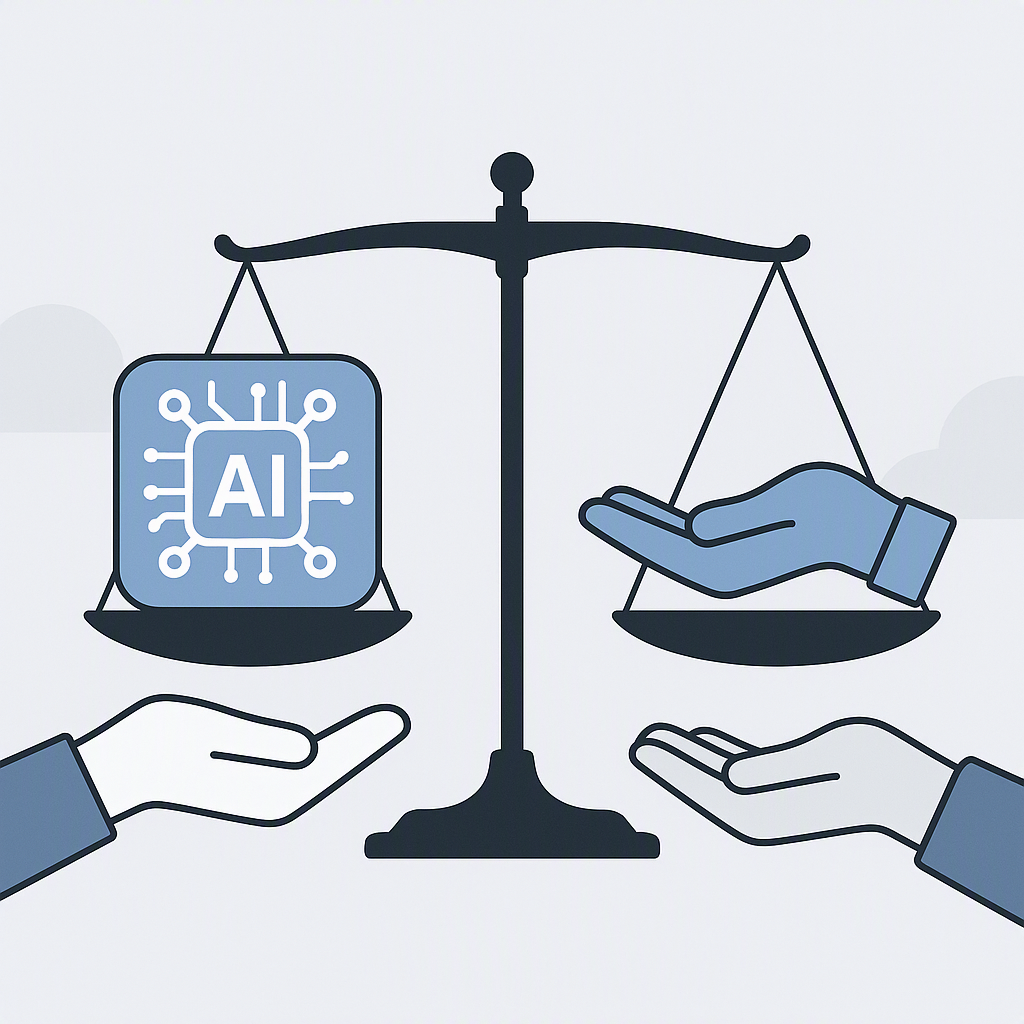
Combine AI with Human Oversight: While technology can streamline processes, human judgment is essential to ensure fairness and address nuances that algorithms might miss. For example, resumes with non-traditional career paths often require a closer look to understand their value.
-
Implement Structured Interviews: Studies show that structured interviews, where every candidate answers the same set of questions, reduce bias and improve hiring decisions. Tools like Greenhouse can help standardize this process.
What Being Wrong Cost Me—and What I’m Still Figuring Out
Ignoring DEI early in my career didn’t land me in legal trouble, but it definitely cost me talent. I missed out on hiring qualified women and candidates from diverse backgrounds because I relied on biased systems. Worse, I enabled a workplace culture that didn’t challenge the status quo.
Even now, I’m still grappling with how to balance efficiency with fairness. AI tools can be invaluable, but they’re not infallible. If the data they’re trained on is biased, the results will be too. That’s why auditing algorithms regularly and involving human oversight is critical. The goal isn’t perfection—it’s progress.
FAQ
Q: Isn’t DEI just about good PR?
A: Not at all. DEI drives innovation, improves team performance, and reduces legal risks. Plus, it’s becoming non-negotiable for top talent.
Q: How do AI tools reduce bias in hiring?
A: AI tools can analyze resumes against job descriptions while minimizing bias by focusing on skills and qualifications rather than demographic factors. Regular audits and diverse training data are essential to ensure fairness.
Q: Can DEI slow down hiring?
A: It doesn’t have to. Thoughtfully implemented tools and processes can streamline hiring while maintaining equity. For example, structured interviews and standardized evaluation criteria can save time and reduce bias.
Q: What happens if companies ignore DEI?
A: They risk legal action, damage to their reputation, and losing qualified talent. Additionally, they may miss out on the benefits of diverse perspectives and innovation.
Q: Is AI the only solution for equitable hiring?
A: AI helps, but it’s not the only answer. A hybrid approach—combining AI insights with human review—works best.
Conclusion
Scaling back DEI efforts might look like a shortcut, but it’s a risky move. Companies open themselves up to legal challenges and alienate top talent when they deprioritize equity. By auditing processes, leveraging technology responsibly, and fostering transparency, organizations can create hiring practices that are both efficient and equitable.
If your hiring process feels stuck, consider exploring tools and strategies that prioritize DEI. The investment in equity is an investment in your company’s future.