Why Most AI Recruitment Tools Fall Short
Let’s face it—AI tools for hiring often overpromise. They claim to save you hours, weed out bad candidates, and find the perfect fit. But when you dig in, some tools create more work. They spit out vague scores or require constant tweaking to fit your process. Not ideal.
So, how do you pick one that actually works?
The One Feature Recruiters Can't Ignore
If you’re evaluating AI recruitment tools, start with this: Does it give you actionable insights upfront?
Here’s the problem. Tools that only assign generic scores like "72% match" leave you wondering: Why 72%? What’s missing? A good tool should explain its reasoning. Even better if it gives you next steps.
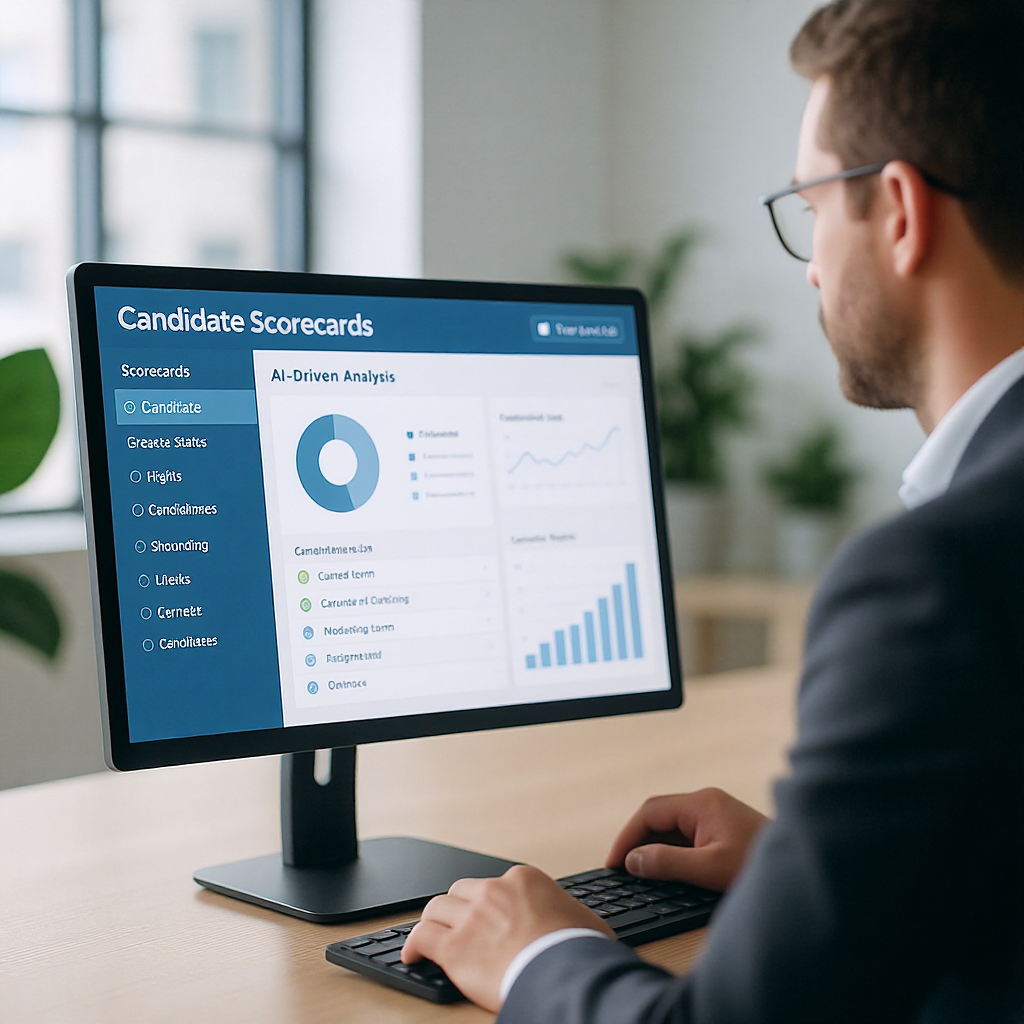
Take TalentNext’s candidate scorecards as an example. Instead of just saying "this person is a match," it breaks down why—skills match, experience gaps, alignment with the job description, and more. You can see at a glance whether the candidate is worth moving forward. And if they’re not? You’ll know exactly why.
This clarity matters. According to a LinkedIn study on recruiting efficiency, recruiters spend up to 13 hours a week screening resumes. A tool like this can cut that in half by giving you immediate, detailed feedback.
What to Look for Beyond the Buzzwords
You’ve probably seen tools touting "AI-powered" everything. But AI isn’t magic. It’s only as good as the data it’s trained on and the way it integrates with your workflow.
Here’s what matters:
- Bulk Processing: Can it handle hundreds of resumes at once? If you’re working with large applicant pools, this is non-negotiable.
- Job-Match Customization: Does it let you upload your job description and tailor the analysis? A tool that forces you to fit into its templates will slow you down.
- Explainable AI: Can you trust its recommendations? Tools like TalentNext don’t just say "yes" or "no"—they tell you why.
- Candidate Feedback: Bonus points if it helps candidates too. TalentNext, for example, gives job seekers AI-driven resume advice, so they’re more likely to meet your criteria upfront.
The Risk of Ignoring These Factors
Here’s what happens when you choose the wrong tool:
- Wasted Time: You’ll spend more time questioning the AI’s decisions than using them.
- Overlooked Talent: If the tool’s scoring is a black box, you might miss great candidates.
- Candidate Drop-Off: Clunky tools that frustrate applicants can hurt your employer brand. According to CareerBuilder, 60% of candidates quit applications that are too complex.
The right AI recruitment tool avoids these pitfalls. It doesn’t just analyze resumes; it helps you act faster and smarter.
Final Thoughts
You might be thinking, "Do I really need AI for recruitment?" That depends. If you’re only hiring a few people a year, maybe not. But if you’re dealing with dozens—or hundreds—of resumes, the right tool can save you days of manual screening.
Start with tools that offer transparency, actionable insights, and features like candidate scorecards. It’s not about the flashiest tech; it’s about what actually makes your hiring process better. Tools like TalentNext prove that AI doesn’t have to be complicated to be effective. It just has to work.
Ready to see TalentNext in action?
AI-powered resume screening and recruitment platform that instantly analyzes and scores resumes to streamline hiring.
Get Started Free →