Recruiting is Messy—But It Doesn’t Have to Be
Recruiting is messy. That’s not news to anyone who’s ever sifted through hundreds of resumes only to feel like they’re still missing the best candidates. What’s surprising, though, is that even with AI tools on the rise, many companies are still stuck in the same inefficient hiring ruts. A recent survey highlights just how broken recruiting processes are—and how they’re blocking the full potential of AI in hiring.
By understanding why these inefficiencies persist and implementing actionable fixes, recruiters can unlock the true capabilities of AI and make their hiring process smoother, faster, and more effective.
The Pain Points: Why AI Isn’t Fixing Everything
AI tools are supposed to make recruitment faster, smarter, and fairer. They promise to free recruiters from repetitive tasks, reduce bias, and find top candidates more efficiently. But here’s the catch: they’re only as good as the processes they’re plugged into. If your workflow is a patchwork of outdated systems, manual bottlenecks, or unclear criteria, AI can’t save you. In fact, it might just amplify the chaos.
Example Pain Point: Resume Screening
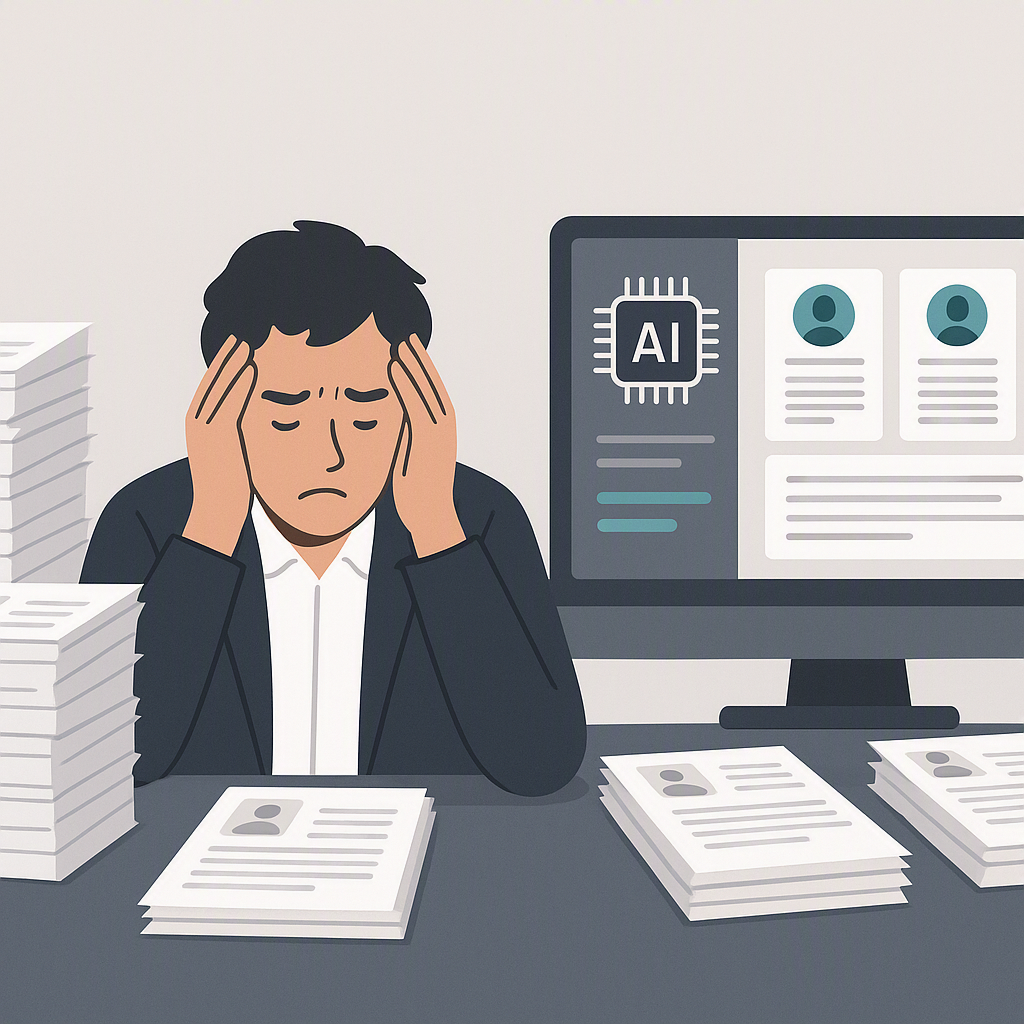
Take resume screening, for example. Recruiters spend an average of 23 hours manually reviewing resumes for a single role, according to Glassdoor. That’s nearly three full workdays. Much of that time is wasted on unqualified candidates because the filtering process is inconsistent or poorly structured.
AI tools like TalentNext can slash screening time by up to 75%, but it’s not magic—it requires a solid foundation. Without a streamlined process, recruiters often end up drowning in irrelevant resumes or missing out on top-tier talent entirely. If the rest of your hiring process isn’t set up to take advantage of the time savings, the benefits will go to waste.
Concrete Steps to Fix This:
- Audit Your Workflow: Start by mapping out every step of your recruiting process, from sourcing candidates to final offers. Identify areas where bottlenecks occur (e.g., slow resume review times or unclear candidate communication).
- Define Key Metrics: Establish clear goals for each stage of the process. For example, how many resumes should be reviewed per day? What’s your target time-to-hire?
- Integrate AI Thoughtfully: Use AI tools to optimize specific pain points, such as resume screening or sourcing, but ensure the rest of the workflow is ready to absorb the changes.
The Root Cause: Inconsistent Evaluation
One of the biggest issues holding back AI in recruitment is inconsistency. Many companies don’t have clear, standardized criteria for evaluating candidates. Different recruiters might prioritize different skills, experiences, or even formatting preferences. This lack of standardization makes it hard for AI to deliver meaningful results because the input itself is flawed.
Why Inconsistency Creates Problems
Imagine you’re hiring for a marketing role. Recruiter A might prioritize candidates with experience in paid advertising, while Recruiter B values candidates with strong copywriting skills. If your job description is vague or overly broad, the AI tool might flag dozens of candidates who technically match the keywords but lack the actual skills you need. Conversely, highly qualified candidates might get overlooked because their resume doesn’t align perfectly with inconsistent criteria.
Actionable Fix: Candidate Scorecards
Implementing standardized candidate scorecards is one of the most effective ways to tackle this issue. TalentNext offers this feature as part of its platform, enabling a structured, fair evaluation system.
How it works:
- Upload the Job Description: Start by creating a clear, detailed job description with specific skills, qualifications, and experiences outlined.
- AI Analysis: The platform analyzes these requirements and identifies key criteria.
- Weighted Scoring: Resumes are scored against these criteria using a weighted system, allowing recruiters to compare candidates in an apples-to-apples manner.
- Data-Driven Decisions: Use the scores to narrow down your candidate pool and prioritize the most relevant applicants.
Benefits of Candidate Scorecards:
- Fair Evaluation: By focusing on standardized criteria, you reduce bias and make hiring decisions based on data, not gut feelings.
- Efficiency: Instead of debating subjective qualities, recruiters can rely on clear, quantifiable scores.
- Improved Collaboration: Everyone on your hiring team is working from the same playbook, ensuring consistency.
Why It Matters: Freeing Up Time for What Counts
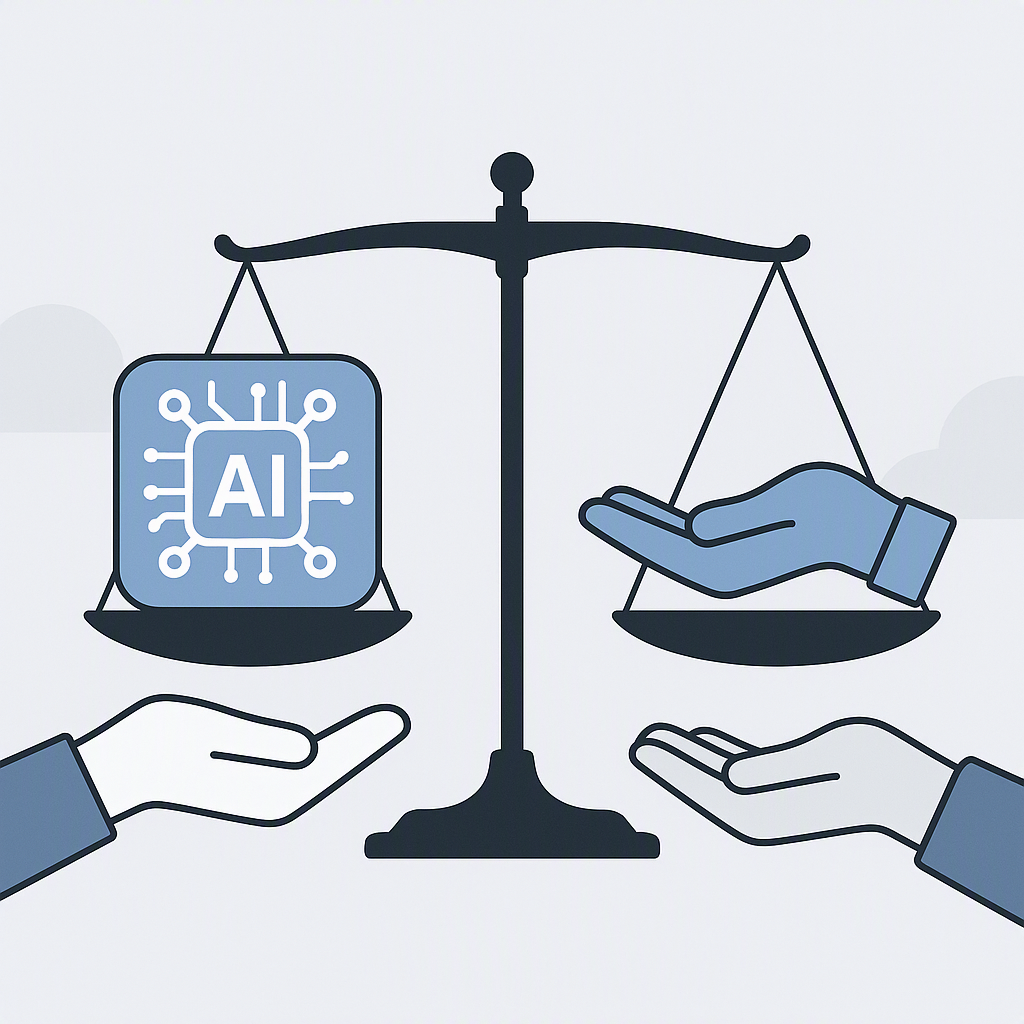
Let’s be honest: no recruiter gets into this field because they love staring at a screen for hours, scrolling through resumes. Recruitment is ultimately about people—connecting with candidates, assessing their fit, and building relationships. That’s the part of the process AI can’t (and shouldn’t) replace.
By automating and standardizing the early stages of screening, tools like TalentNext free up recruiters to focus on what really matters. Cutting your screening time by 75% doesn’t just save hours—it lets you reinvest that time into more meaningful conversations with top candidates, improving the overall quality of hires.
The Bigger Picture: Avoiding Common Pitfalls
AI is a powerful tool, but it’s not a magic wand. Without proper implementation and oversight, it can create more problems than it solves. Here are three common pitfalls to avoid:
-
Failing to Train the System: AI tools rely on data to function effectively. Vague job descriptions, inconsistent criteria, or poorly configured settings will lead to subpar results. Invest time in training your AI system to understand your organization’s needs.
-
Ignoring Candidate Experience: Candidates are increasingly wary of AI in hiring, especially if they feel it’s impersonal or biased. Communicate openly about how AI is used in your process and emphasize its benefits, like fairer evaluations and faster responses.
-
Over-Reliance on AI: AI should enhance your process—not replace human judgment. Recruiters still need to assess personality, culture fit, and other intangible qualities that algorithms can’t measure.
FAQ
Q: How do I know if my recruiting process is blocking AI gains?
A: Look for signs like extended screening times, inconsistent candidate evaluations, or a high rate of unsuccessful hires. If you’re struggling with these issues, it’s time to audit your workflow and standardize your criteria.
Q: What’s the first step to fixing a broken process?
A: Start by defining clear, standardized criteria for evaluating candidates. Tools like TalentNext’s candidate scorecards can help you implement these standards effectively.
Q: Is AI suitable for small teams?
A: Yes. Small teams often lack the resources to manually handle high volumes of applicants. AI can automate repetitive tasks, allowing small teams to compete with larger organizations.
Q: How can I ensure AI doesn’t introduce bias?
A: Bias often comes from the data fed into AI tools. Make sure your job descriptions are inclusive and your criteria emphasize skills over demographics. Regularly audit your AI systems to ensure fair outcomes.
Q: What’s the best AI tool for recruiting?
A: The best tool depends on your needs. TalentNext stands out for its candidate scorecards and resume scoring features, which help standardize evaluations and save time. Compare features like automation, integrations, and pricing before choosing.
Comparison Table: Traditional vs. AI-Powered Recruiting
| Aspect | Traditional Recruiting | AI-Powered Recruiting |
|---|---|---|
| Resume Screening | Manual review, 23+ hours/role | Automated, 75% faster |
| Candidate Evaluation | Subjective, inconsistent | Data-driven, standardized |
| Time to Hire | Often lengthy and unpredictable | Streamlined and faster |
| Bias Reduction | Prone to human bias | Reduces bias with consistent criteria |
| Candidate Experience | Variable | Faster responses, fairer evaluations |
Call to Action
If your recruiting process feels broken, don’t settle for inefficiency. Tools like TalentNext empower companies to streamline hiring, reduce wasted time, and focus on engaging top talent. With AI-driven resume scoring and candidate scorecards, you can fix the cracks in your workflow and unlock your team’s full potential.