Are Your Health Questions Crossing the Line?
Imagine this: You’ve just wrapped up interviews for a new hire. You’re excited about one candidate, but your pre-employment questionnaire reveals a red flag — a family history of diabetes. What do you do? If you’re thinking this information helps you assess long-term reliability, stop right there.
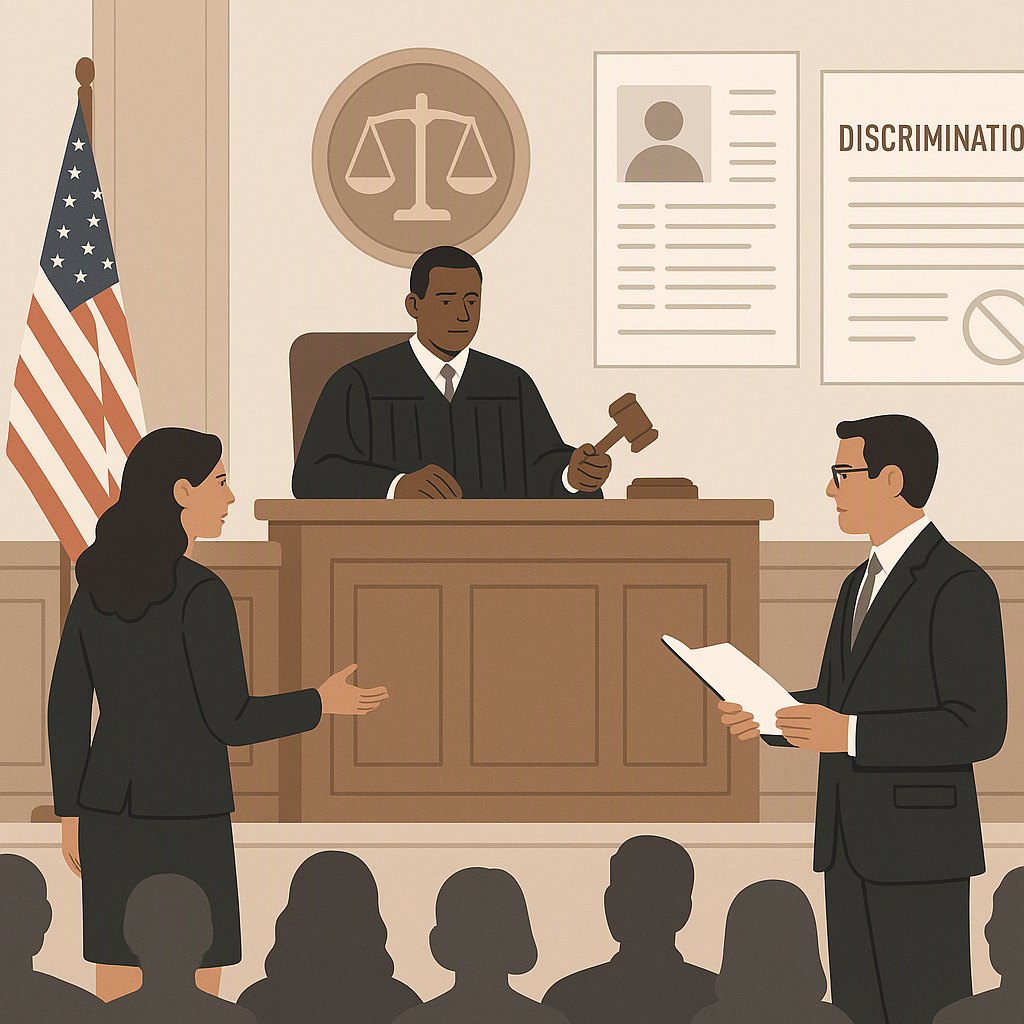
The EEOC recently reminded employers that many pre-employment health questionnaires can violate the Genetic Information Nondiscrimination Act (GINA). That’s right — even asking about family medical history could land your company in legal trouble.
What Does GINA Say?
GINA prohibits employers from requesting, requiring, or using genetic information in hiring decisions. This includes questions about family medical history or genetic tests. The law aims to prevent discrimination based on the likelihood of developing certain conditions.
Seems straightforward, right? But in practice, it’s a compliance challenge. Questions that seem harmless — like asking about a family history of heart disease or cancer — are off-limits. Violations can lead to significant penalties and damage to your reputation.
Why Manual Screening Is Risky
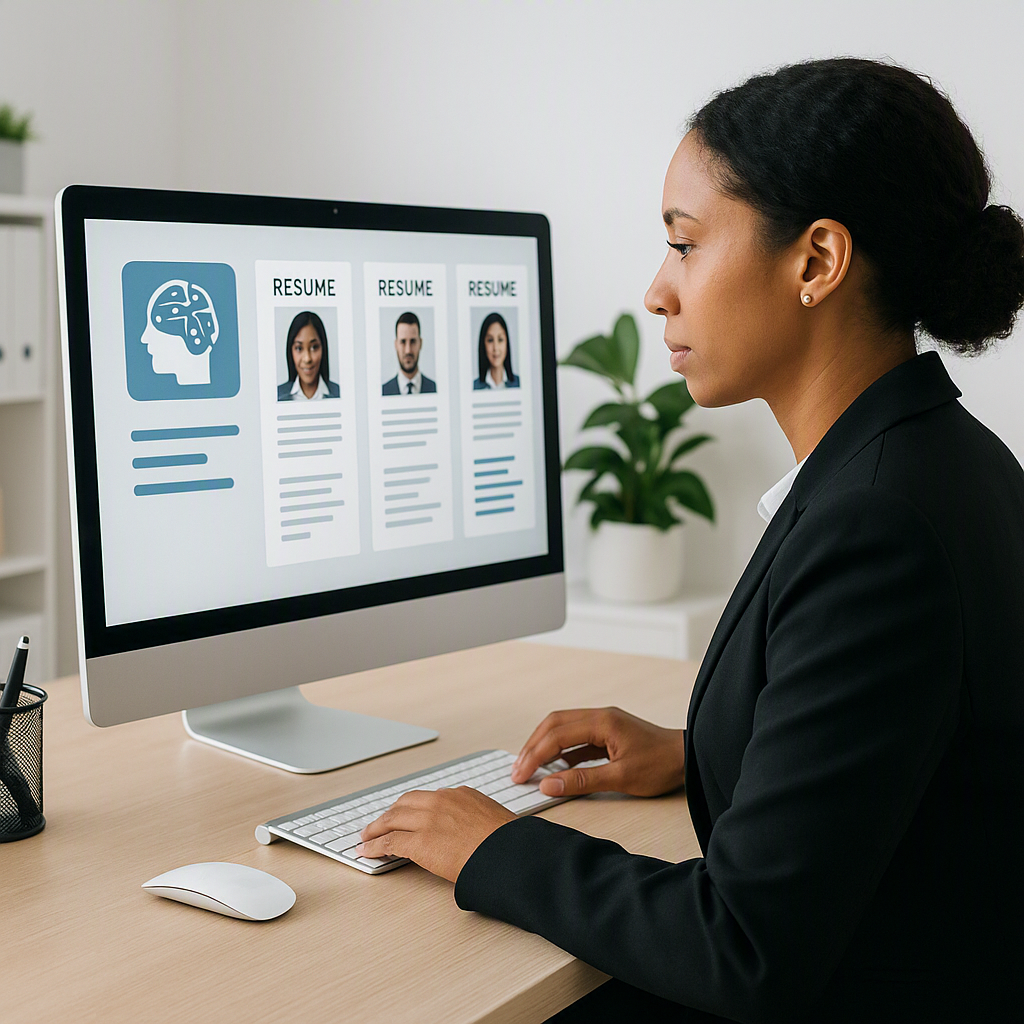
Here’s the problem: when human recruiters manually screen resumes and questionnaires, unconscious bias often slips in. Even if recruiters don’t mean to discriminate, they might deprioritize candidates based on irrelevant health disclosures. Worse, some companies unknowingly include non-compliant questions in their standard forms.
Consider this common scenario: A candidate mentions a gap in their employment due to caregiving responsibilities for a sick family member. Without realizing it, a recruiter might unconsciously flag them as less “dedicated” or “reliable.” Under GINA, that’s a huge red flag.
Manual screening is slow, inconsistent, and prone to bias. And when you’re juggling hundreds of applications, mistakes are almost inevitable.
How AI Tools Can Help
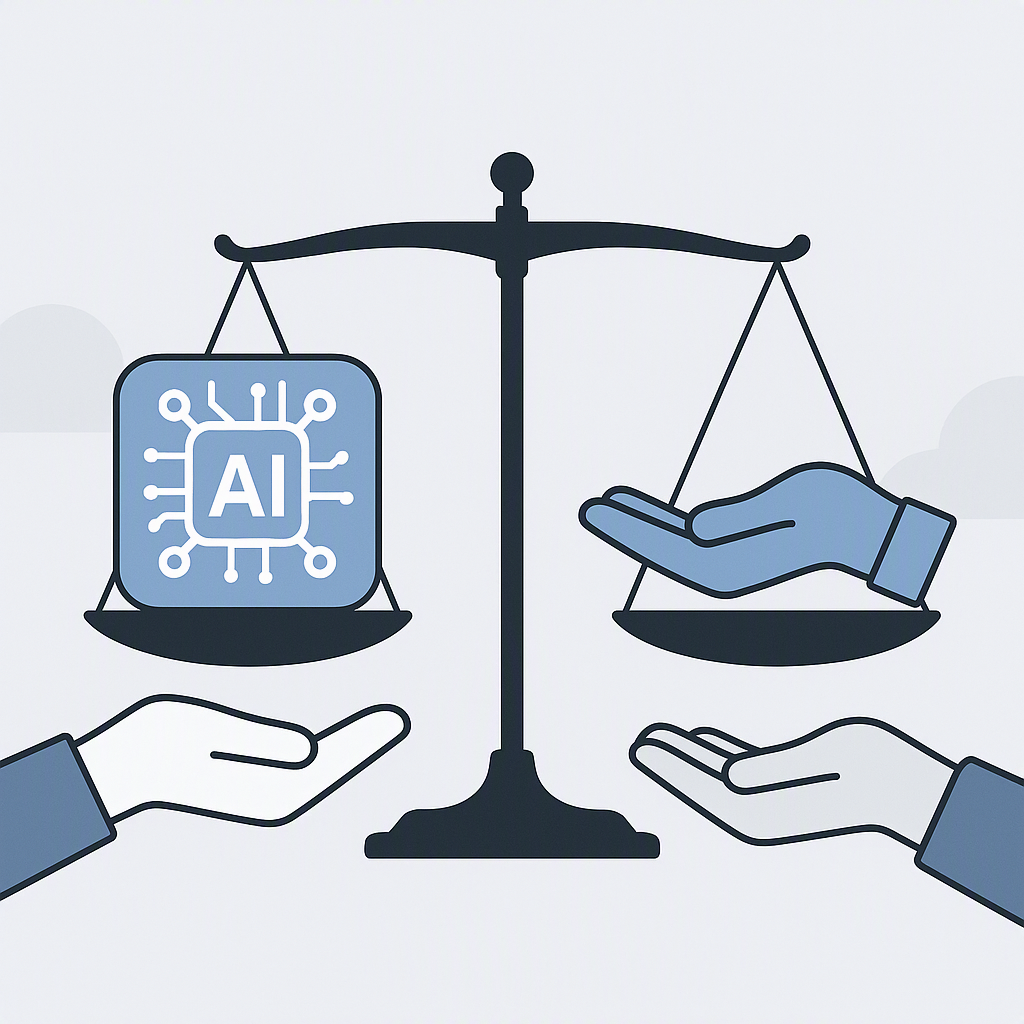
This is where AI-powered tools come into play. These platforms don’t just accelerate resume screening — they also help you stay compliant with laws like GINA. Here’s how:
-
Objective Scoring Only: AI algorithms focus solely on job-fit metrics, like skills, certifications, and experience. Anything unrelated to job performance — including personal disclosures about health or family — is ignored during the scoring process. This eliminates the risk of accidentally factoring in non-compliant information.
-
Bias Detection and Auditing: Some AI tools regularly audit their algorithms to ensure they align with EEOC and GINA standards. If patterns of bias are detected, the system flags them for correction. This proactive approach helps companies avoid compliance pitfalls.
-
Customizable Screening: Employers can configure AI tools to exclude any fields or questions that might create GINA violations. For example, you can remove sections asking about employment gaps or personal health disclosures before candidates even submit their applications.
By automating these processes, AI doesn’t just save you time — it reduces the risk of costly legal mistakes.
Common Pushbacks Against AI in Hiring
You might be thinking, “Can I really trust AI to get this right?” It’s a fair question. AI isn’t perfect, and poorly designed tools can reinforce bias if they’re trained on flawed data. That’s why it’s critical to choose solutions that actively test and refine their models.
Still skeptical? Keep in mind that manual screening isn’t risk-free either. Even the most experienced HR teams can unintentionally violate GINA when faced with large applicant pools. AI, when used with human oversight, is simply a smarter way to handle compliance.
What to Watch For
If you’re still relying on manual processes, here are a few red flags to address immediately:
- Health Disclosures: Remove any questions about personal or family medical history from your pre-employment forms.
- Employment Gaps: Avoid penalizing candidates for time off due to caregiving or health reasons. These gaps are often unrelated to job performance.
- Unconscious Bias: Train your team to recognize and counteract bias in hiring decisions. Better yet, let AI handle initial screenings to minimize human error.
FAQ
Q: Can I ask candidates about health conditions if it’s relevant to the job?
A: Only if it’s directly related and necessary. Even then, tread carefully. Consult legal counsel to ensure compliance.
Q: How do AI tools ensure fairness in scoring?
A: The best platforms focus solely on job-fit metrics. They ignore personal disclosures, ensuring candidates are evaluated objectively.
Q: What happens if a candidate voluntarily shares genetic information?
A: Even if the disclosure is voluntary, you can’t use it in your hiring decision. AI tools can be designed to filter out such information.
The Bottom Line
GINA compliance isn’t just about avoiding lawsuits — it’s about creating a fair and equitable hiring process. By leveraging AI tools, you can eliminate bias, speed up hiring, and stay on the right side of the law.