Resumes Fail Because They’re Generic
We’ve all done it — sent out the same resume to 50 different job postings. It’s easier, sure, but it’s also the fastest way to get ignored. Recruiters spend, on average, just 6-10 seconds initially scanning a resume before deciding if it’s worth their time (TheLadders). If your resume doesn’t scream "perfect fit" for the role at first glance, it’s likely headed straight to the “no” pile.
And here’s the thing: most candidates have no idea what they’re doing wrong. Maybe the formatting’s off, or the keywords don’t match the job description. Or worse, the resume is a laundry list of past jobs without showing how they’re relevant. Guesswork doesn’t cut it.
How AI Feedback Pinpoints the Problems
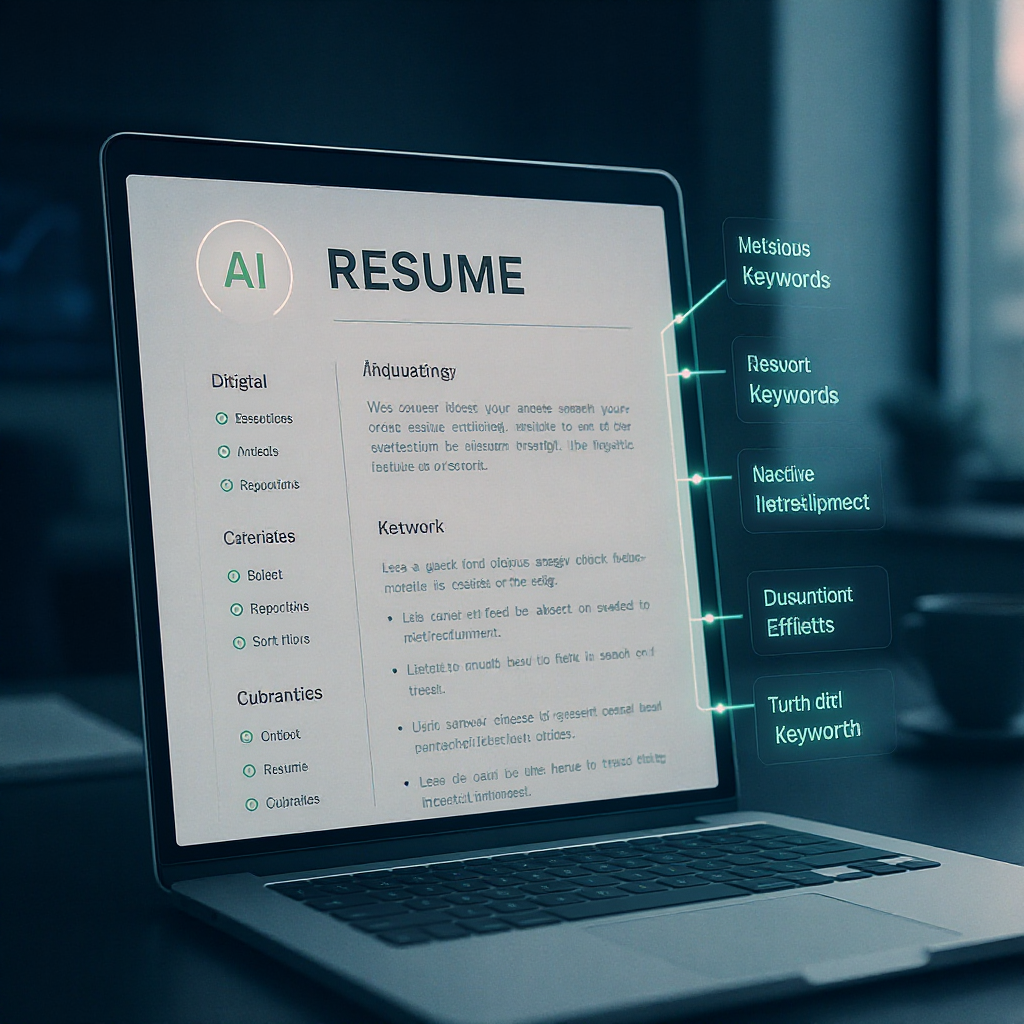
Here’s where AI feedback comes in. Platforms like TalentNext don’t just score resumes based on general quality — they analyze how well your resume matches a specific job posting. Think of it as a cheat sheet: instead of wondering why you’re not getting callbacks, you get actionable suggestions.
For example, let’s say you’re applying for a Marketing Manager role. You upload your resume and the job description into TalentNext. The AI spots that your resume focuses heavily on social media skills but barely mentions campaign management, even though the job description lists it as a top priority. That’s a problem, right? The tool doesn’t just tell you that your score is low; it suggests specific adjustments, like adding measurable results for past campaigns you’ve managed.
It’s like having a recruiter whispering in your ear, "Hey, they’re really looking for someone who can show ROI on paid ads. Highlight that more."
The Data Doesn’t Lie
Still skeptical? Let’s talk numbers. A recent study found that 75% of resumes are rejected by applicant tracking systems (ATS) before they even reach a human (Jobscan). AI feedback tools help your resume pass through these systems by optimizing critical elements like keywords and formatting.
You might be thinking, "What’s stopping me from just Googling ‘top keywords for resumes’ and doing this myself?" The answer is context. AI tools like TalentNext don’t just pull generic keywords; they tailor suggestions based on the specific job description you’re applying to. That’s something no free online list can do.
But Does It Really Work?
Yes, but with a caveat: you have to put in the effort. AI tools won’t magically land you a job. They’ll guide you, but it’s still up to you to take the feedback seriously and make the edits. If you’re someone who’s been sending out dozens of resumes and hearing crickets, though, it’s worth trying.
Plus, many platforms let you test multiple versions of your resume to see which one scores higher. This can be a game-changer for applicants targeting different industries or roles. Why not tailor your application for better chances?
The Bottom Line
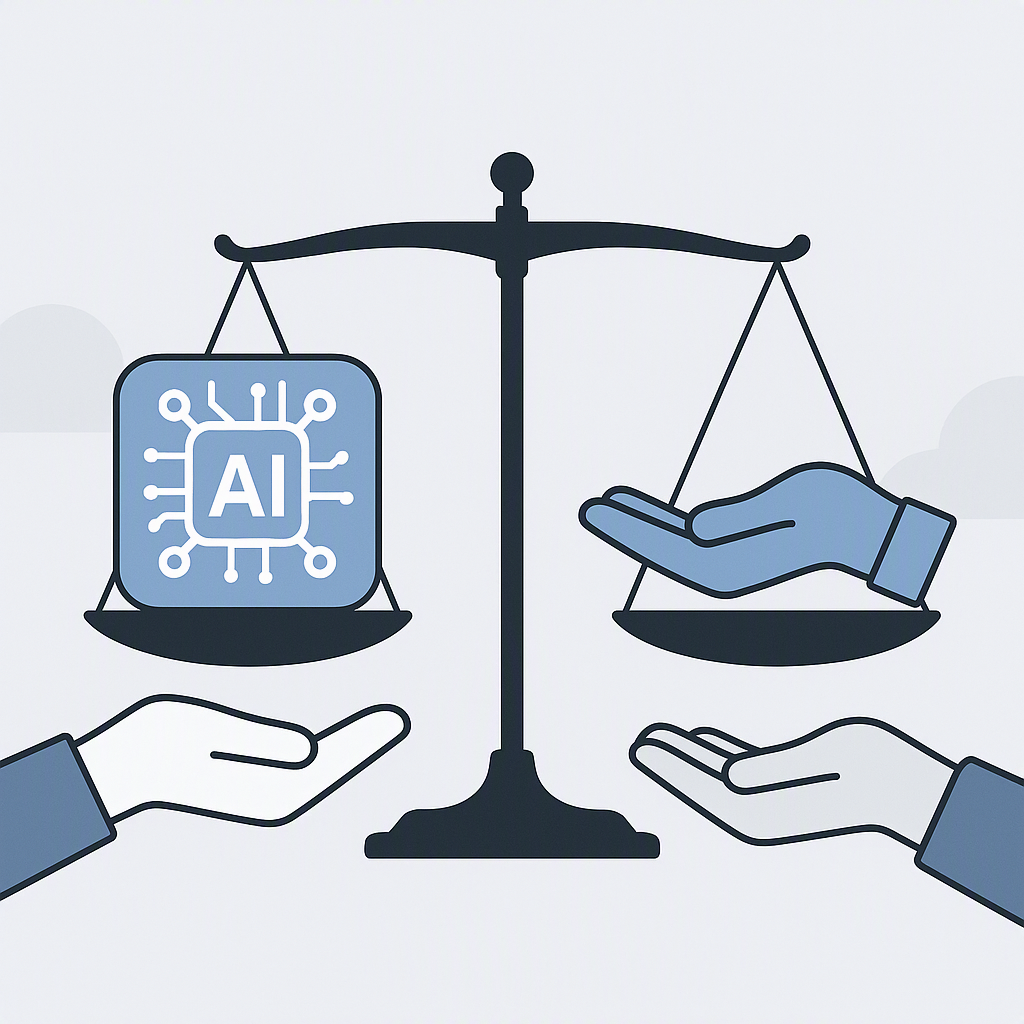
The job market is brutal — especially when you’re competing with hundreds of candidates for a single role. But AI feedback levels the playing field. It gives you insights you just wouldn’t get otherwise. Instead of wondering, "Why didn’t I get the interview?" you can actively improve your chances.
If you’re serious about landing your next role, give an AI-driven resume tool a shot. Even one or two small tweaks can make a big difference. Sometimes, it’s just about using the right words to show you’re the right person.
Ready to see TalentNext in action?
AI-powered resume screening and recruitment platform that instantly analyzes and scores resumes to streamline hiring.
Get Started Free →