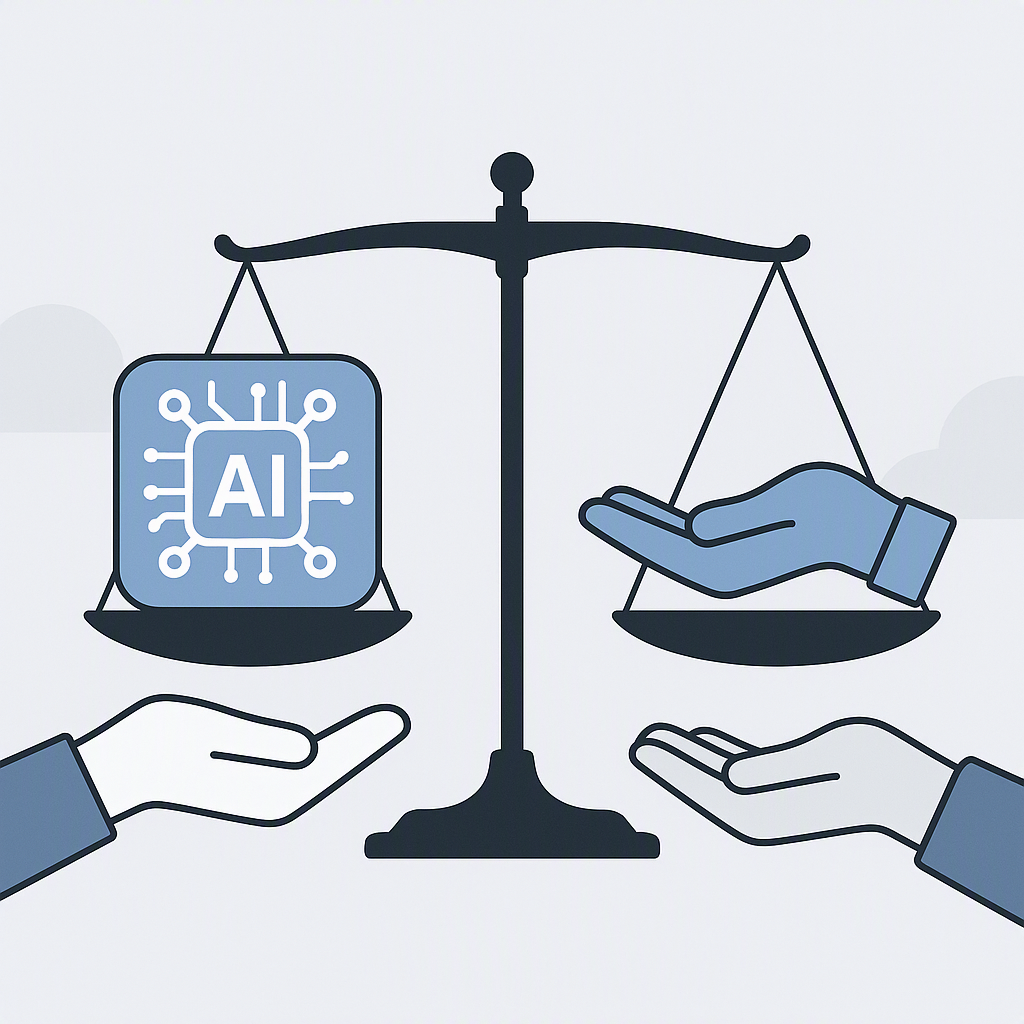
The Resume Screening Problem
Recruitment is messy. If you've worked in HR, you know the pain of sifting through hundreds—sometimes thousands—of resumes for a single role. Most of them? Not even close to qualified. Manual screening eats up hours. It’s frustrating, tedious, and just not scalable.
According to CareerBuilder, 42% of recruiters say they spend at least half their workweek screening resumes. That’s insane. And for what? To maybe find a handful of potential fits. It’s like looking for a needle in a haystack—blindfolded.
How AI Changes the Game
This is where AI-powered recruitment software comes in. Instead of manually eyeballing resumes, tools like TalentNext analyze and score them against job descriptions instantly. You upload resumes in bulk, hit process, and voilà—ranked candidates based on match strength.
Here’s the kicker: it doesn’t just save time. It eliminates human bias in the screening stage. AI looks at skills, experience, and keywords objectively, stripping out factors like unconscious bias or fatigue. And yes, it’s not perfect—it won’t magically fix bad job postings—but it’s miles ahead of doing it manually.
A Real Example: TalentNext’s Candidate Scorecards
Let’s talk specifics. TalentNext has this feature called Candidate Scorecards. Sounds fancy, but it’s really straightforward. You upload a job description, then upload resumes. The AI scores each candidate based on how well their resume aligns with the job requirements.
For example, say you’re hiring a software engineer. The job requires Python, SQL, and cloud experience. TalentNext’s AI scans resumes for those exact skills and ranks candidates accordingly. No fluff, just straight-up matching.
And it’s fast—processing hundreds of resumes in under a minute. That’s not just convenient; it’s a lifesaver for recruiters handling large applicant pools.
The Skeptic’s Take
You might be thinking: "Sure, but can AI really evaluate people?" Fair question. AI isn’t perfect at understanding nuance yet. It might miss soft skills or undervalue unconventional career paths. But it’s not meant to replace humans—it’s here to assist. Think of it as a filter. The AI narrows down the pool, so you can focus your energy on interviewing the strongest candidates.
There’s also the issue of bad data. If your job description isn’t detailed, the AI can’t do its job well. Garbage in, garbage out. That’s why tools like TalentNext emphasize clear inputs. The better your job description, the better the AI’s results.
Why It Matters
At the end of the day (oops, banned phrase—but you get it), recruitment should be about connecting with great candidates, not wasting hours on bad resumes. AI-powered tools like TalentNext don’t just save time; they free up recruiters to do what they’re really good at—building relationships.
And for job seekers? Tools like this give them visibility. TalentNext doesn’t just analyze resumes for recruiters; it offers feedback to candidates on how to improve. That’s huge in a job market where standing out is everything.
Are AI-powered tools the future? Probably. But even today, they’re solving real problems for hiring teams and candidates alike. If you’re not using them yet, it might be time to start.
Ready to see TalentNext in action?
AI-powered resume screening and recruitment platform that instantly analyzes and scores resumes to streamline hiring.
Get Started Free →