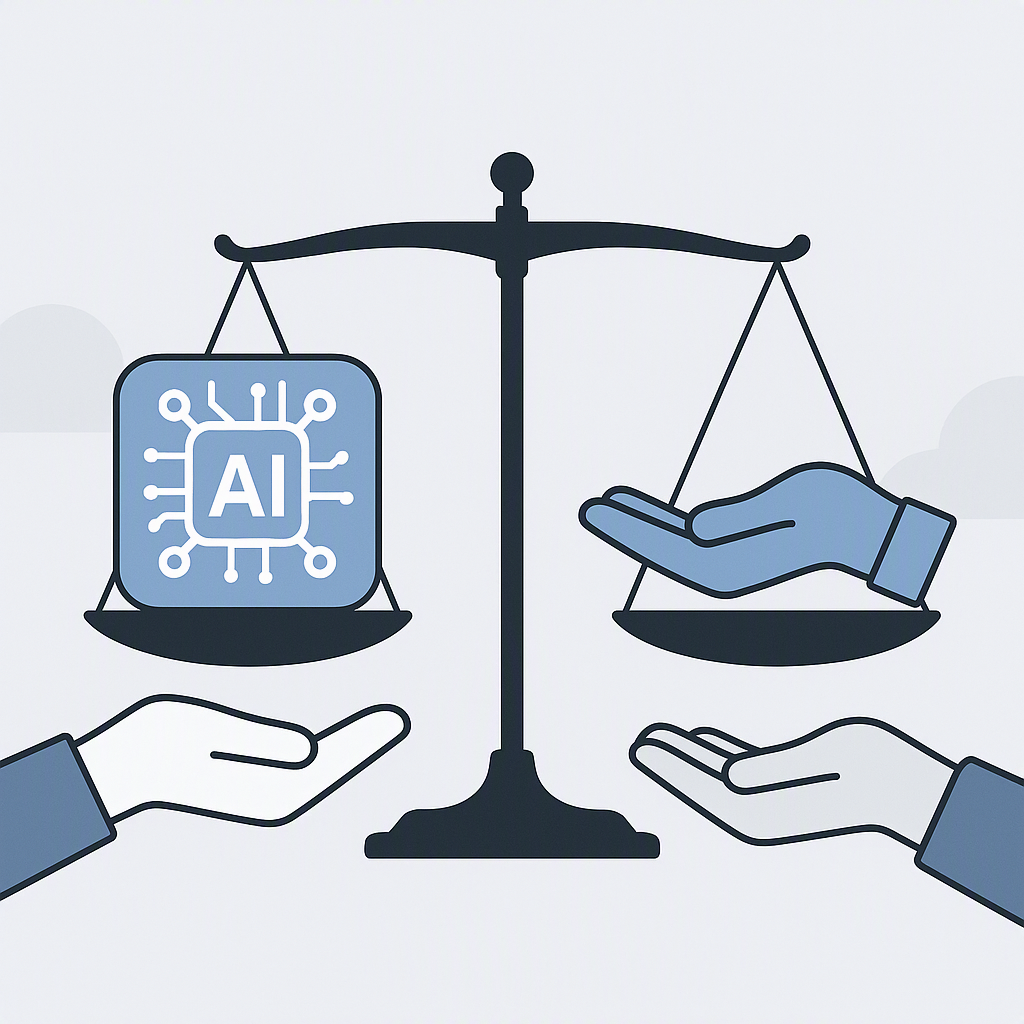
Let’s Start With the Problem
If you’ve ever had to screen resumes manually, you know it’s a grind. According to a study by Ideal, recruiters spend an average of 23 hours a week just looking at resumes. And let’s be honest, most of those resumes aren’t even close to what you’re looking for.
Here’s the kicker: When you’re burned out from reading through hundreds of irrelevant resumes, the chances of missing a great candidate skyrocket. Decision fatigue is real. Sound familiar?
This is where AI-powered recruitment tools come in. They’re not just shiny new toys—they solve real problems. Let’s focus on one specific feature: AI-powered resume analysis and scoring against job descriptions. This is what changes the game.
How AI-Powered Resume Screening Works
When you upload a job description into an AI recruitment tool like TalentNext, the software analyzes your requirements. Then, you can upload a batch of resumes—10, 100, even 1,000 at a time. The AI matches resumes against the job criteria and scores them based on relevance.
Let’s say you’re hiring a Data Scientist. You’ve listed Python, SQL, and machine learning as must-haves. The AI scans each resume for those keywords, but it doesn’t stop there. It looks at context too. For example, a candidate who has ‘Python’ listed under “Skills” but no projects or job experience to back it up won’t score as high as someone who’s used Python in multiple roles.
You might be thinking, “But what if the AI misses something important?” Fair question. A good AI tool doesn’t just reject candidates outright—it flags resumes that are borderline matches, so you can review them yourself. It’s like having an extra set of eyes, minus the bias and exhaustion.
Real-World Impact
Here’s a quick example. One of our clients, a mid-sized marketing agency, was hiring for a Social Media Manager. They received 400 applications. Before using an AI-powered tool, their team spent two weeks screening resumes. After switching to TalentNext, they cut screening time to just four hours.
What’s more interesting? The AI flagged a candidate they would’ve missed otherwise—a freelancer with unconventional experience. That person turned out to be the perfect hire.
This isn’t a fluke. Studies show that AI-powered recruitment tools reduce screening time by up to 75% while improving the quality of shortlisted candidates (Upflinx Webinar).
What to Watch Out For
AI tools aren’t magic. They’re only as good as the data you give them. If your job descriptions are vague or outdated, the AI won’t know what to prioritize. Make sure you’re clear about what you want and don’t want in a candidate.
Also, don’t let AI become a crutch. It’s there to help—not replace—your judgment. Always review candidates flagged as ‘maybes.’ Sometimes, the best hires don’t look perfect on paper.
Should You Try It?
If you’re still manually screening resumes, you’re wasting time. Period. AI-powered recruitment tools like TalentNext aren’t just faster; they’re smarter. They let you focus on what really matters—connecting with top candidates instead of drowning in paperwork.
Want to see how it works? Try TalentNext for free. Even if you’re skeptical, it’s worth testing. You might just save yourself a week’s worth of headaches.
Ready to see TalentNext in action?
AI-powered resume screening and recruitment platform that instantly analyzes and scores resumes to streamline hiring.
Get Started Free →