Recruiting is broken.
Most recruiters spend far more time than they’d like sorting through resumes that don’t meet the job requirements. It’s frustrating, inefficient, and frankly, a waste of talent. According to Upflinx, manual resume screening can take up to 23 hours per hire. That’s insane. But AI-powered recruitment tools are changing the game.
What’s the Problem?
Let’s be honest. Manually screening resumes isn’t just slow—it’s inconsistent. Different recruiters interpret job fit differently, especially when there’s a stack of hundreds of resumes. That’s how great candidates slip through the cracks, and unqualified ones sneak into interviews.
And it gets worse with high-volume roles. Hiring for customer service reps? You might get 1,000 applications in a week. No human has time to go through that.
AI to the Rescue
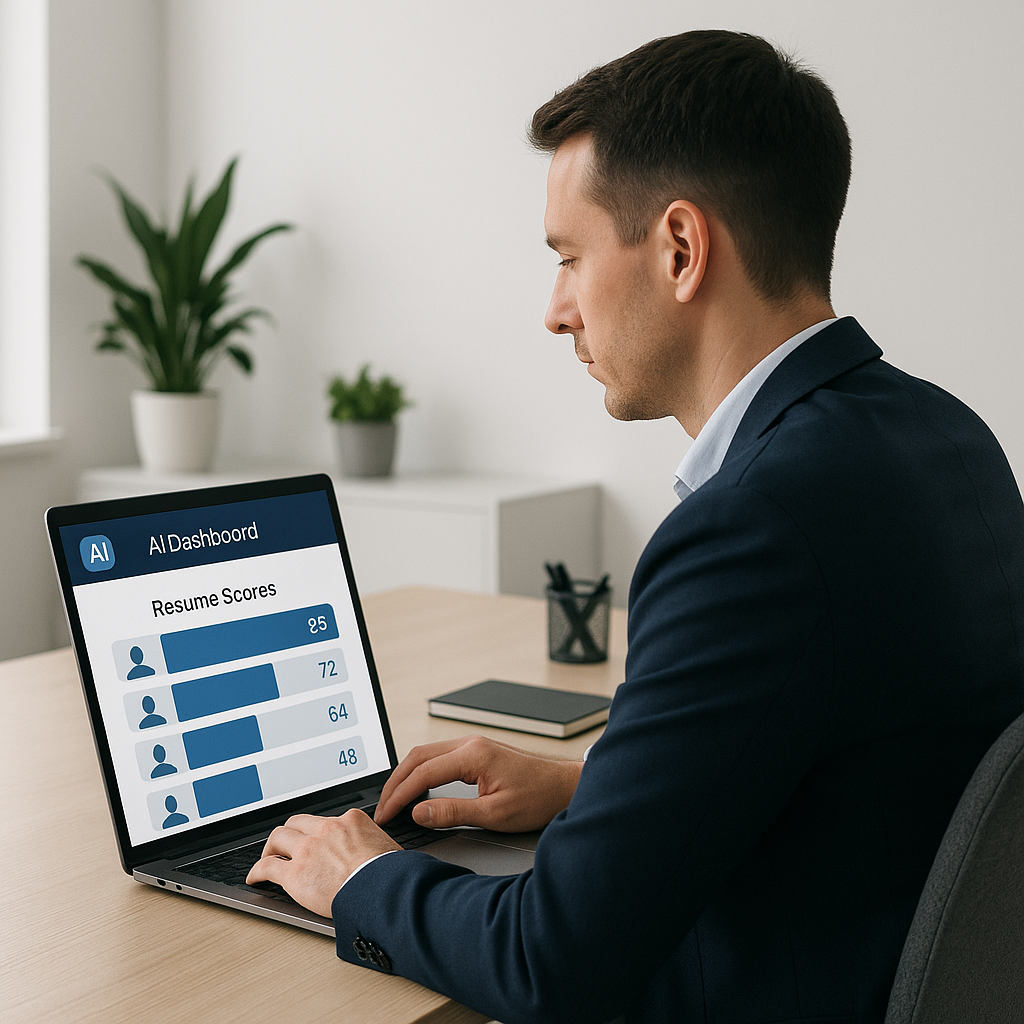
This is where AI-powered resume screening tools like TalentNext shine. The platform uses algorithms to compare resumes against job descriptions and assigns them scores. Think of it like the Match.com for hiring—except way less awkward.
For example, TalentNext’s bulk resume upload and processing feature lets recruiters upload hundreds of resumes at once. The tool analyzes them in minutes, not hours, scoring each based on how well they match the job requirements.
What does that mean in practice? Instead of spending your day reading through 200 resumes, you have a shortlist of the top 20 candidates ready to go. That’s a 75% reduction in screening time, and you’re not compromising on quality.
Does It Actually Work?
You’re probably skeptical. “Can an algorithm really understand what I’m looking for?” Fair question.
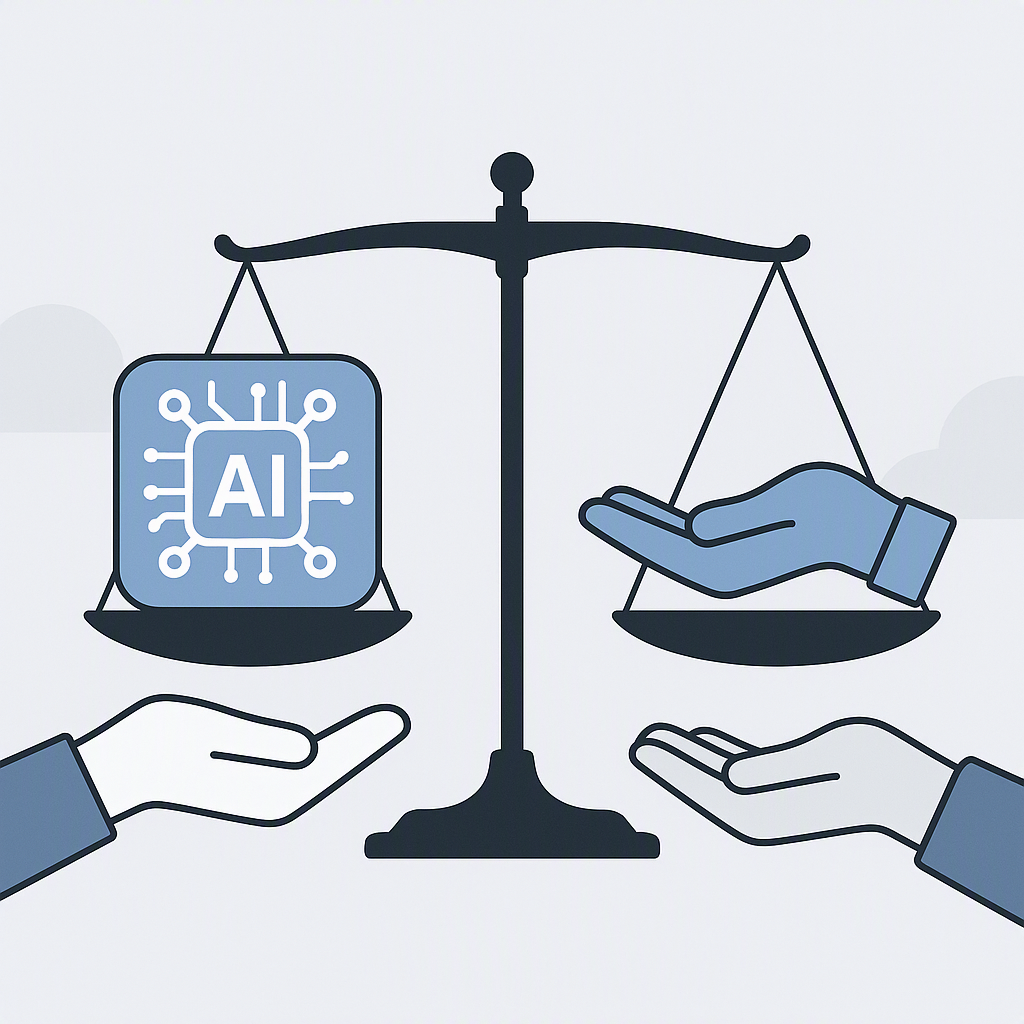
The answer is yes—and no. AI isn’t perfect. It doesn’t replace human judgment entirely. But it’s great at filtering out resumes that don’t meet obvious criteria (e.g., missing required skills or certifications). That frees up your time to focus on interviewing and assessing soft skills—the stuff algorithms can’t measure.
A recruiter I know recently used TalentNext to hire software engineers. She uploaded 500 resumes and had a shortlist of 30 candidates within 10 minutes. Her team still reviewed the top candidates manually, but they saved days of grunt work upfront.
What About Job Seekers?
AI-powered recruitment isn’t just for companies. Tools like TalentNext also help candidates improve their resumes. The platform provides feedback on formatting, keyword usage, and overall job-match strength. It’s like having a virtual career coach—but faster.
For example, if your resume repeatedly scores low for project manager roles, the tool might suggest adding more leadership keywords or quantifiable achievements. These tweaks can make a huge difference when applying for competitive roles.
Ethical Concerns
Let’s address the elephant in the room: bias. AI isn’t immune to it. If the algorithms are trained on biased data (e.g., favoring certain schools or gendered language), they’ll perpetuate those biases. That’s why companies need to understand how these tools work and ensure their data sets are diverse and inclusive.
TalentNext, for instance, claims to prioritize ethical AI implementation by continuously auditing its algorithms for bias. But recruiters should still keep a close eye on the process. AI is a tool—not a magic wand.
Should You Use AI-Powered Screening?
If you’re drowning in resumes, the answer is yes. AI-powered screening tools won’t replace your entire recruiting process, but they’ll make it faster, more accurate, and less painful.
And for job seekers? Use tools like TalentNext to get actionable resume feedback. It’s worth it if you’re serious about standing out.
The future of recruitment isn’t fully automated, but it’s definitely AI-assisted. Why not save yourself some time?
Want to see TalentNext in action? Check out their platform to learn more about AI analysis and scoring.
Ready to see TalentNext in action?
AI-powered resume screening and recruitment platform that instantly analyzes and scores resumes to streamline hiring.
Get Started Free →