I Used to Think AI Skills Were a "Nice-to-Have"
A few years ago, I believed AI would stay in its lane: a useful tool for tech companies, but not something most industries—or workers—needed to worry about. Sure, it might speed up processes or make some jobs easier, but I didn’t think it would fundamentally disrupt the workforce anytime soon. “AI’s just another tool,” I thought. “Not everyone needs to become an expert.”
It seemed obvious at the time. After all, most businesses weren’t exactly rushing to train employees on how to use AI tools. And workers themselves weren’t clamoring for it. Why would they? The job market was stable, and automation felt like a far-off problem.
Then 2023 hit.
The Reality Check: AI’s Impact Isn’t Theoretical
We saw mass layoffs across industries, particularly in tech. Companies like Google, Meta, and Amazon reduced their workforces dramatically. Some of that was overhiring during the pandemic. But a significant part of it? Automation. AI isn’t just a tool anymore; it’s a decision-maker. It’s screening resumes, predicting market trends, and even making hiring decisions. Reuters reported that some of these layoffs were directly tied to AI’s ability to replace repetitive roles.
And it’s not just tech. A McKinsey study projects that by 2030, up to 375 million workers—or 14% of the global workforce—will need to switch occupations due to automation and AI. Think about that for a second. That’s not just a job here or there. That’s entire sectors.
AI’s impact isn’t theoretical anymore; it’s happening now. For workers, this means reskilling or risk becoming obsolete. For employers, it means adapting quickly—or falling behind.
Concrete Examples of AI Disruption:
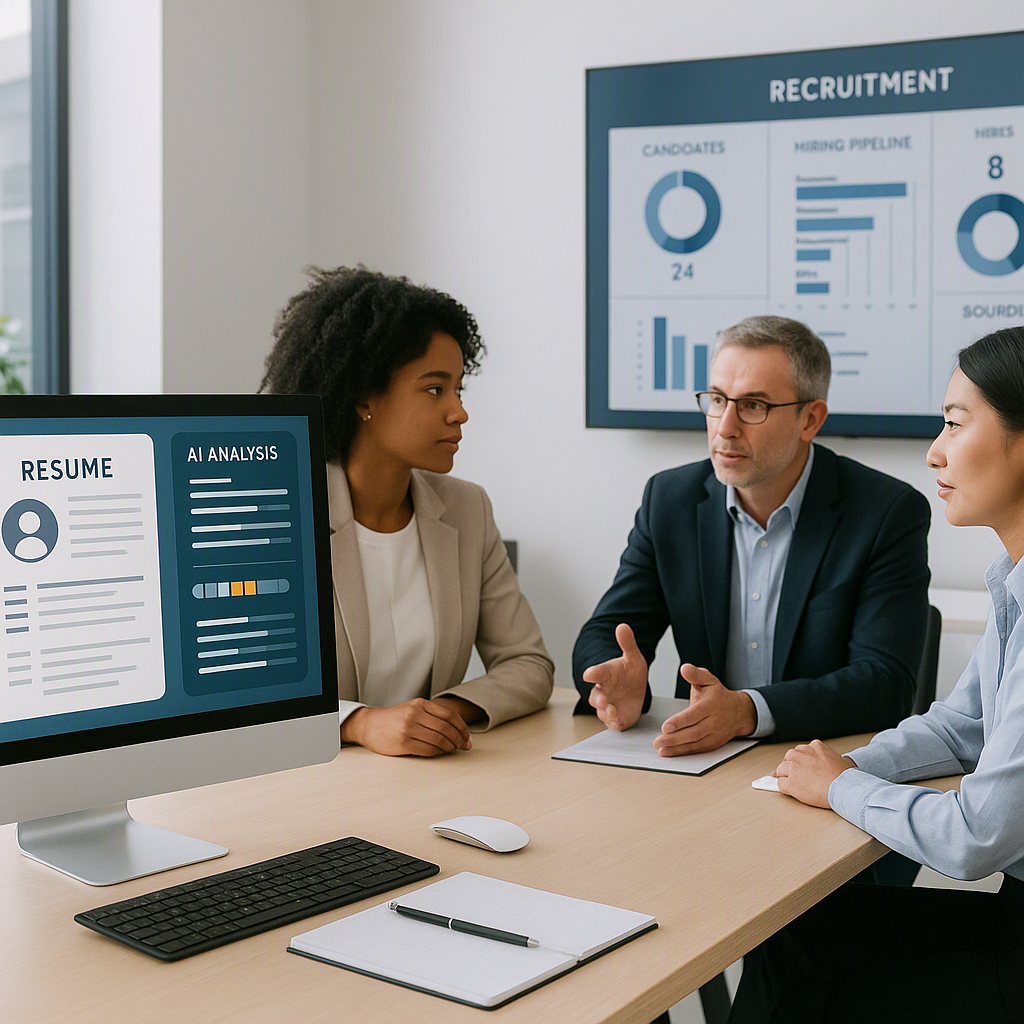
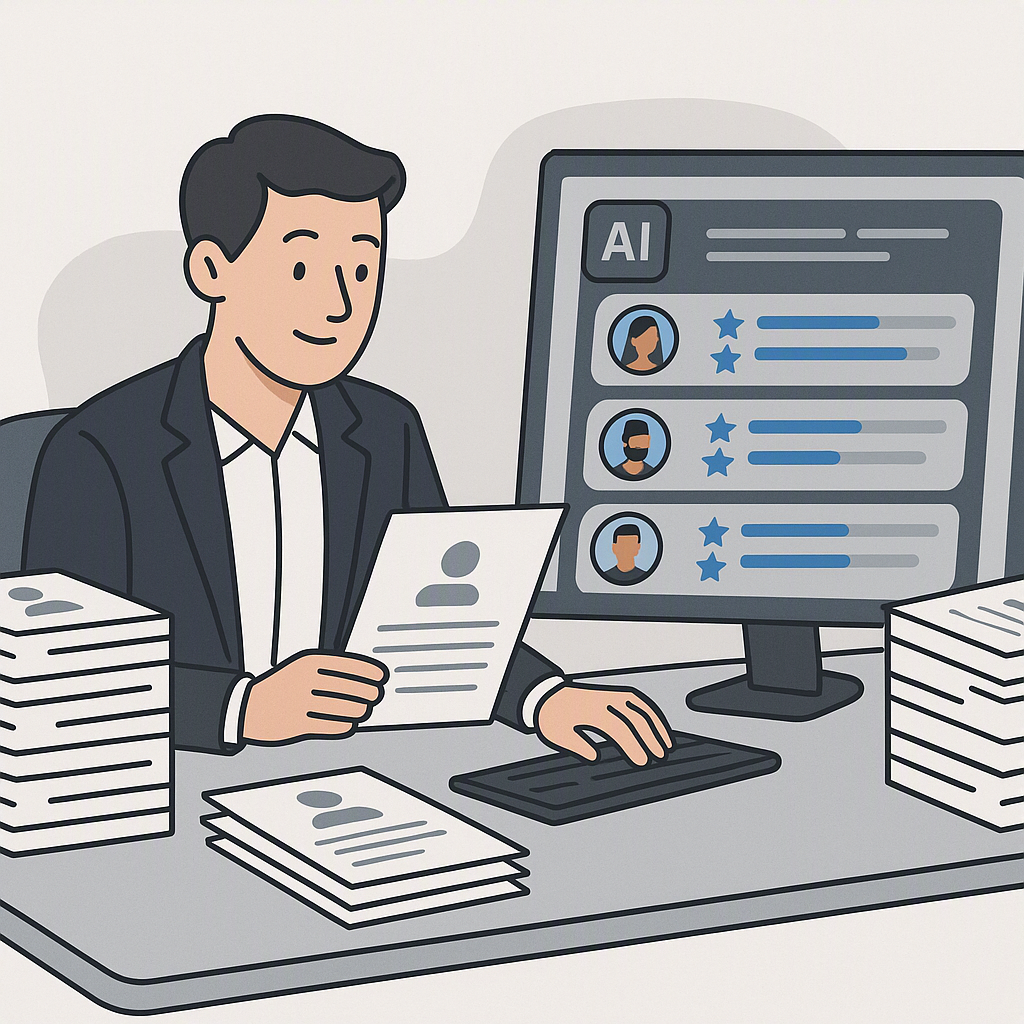
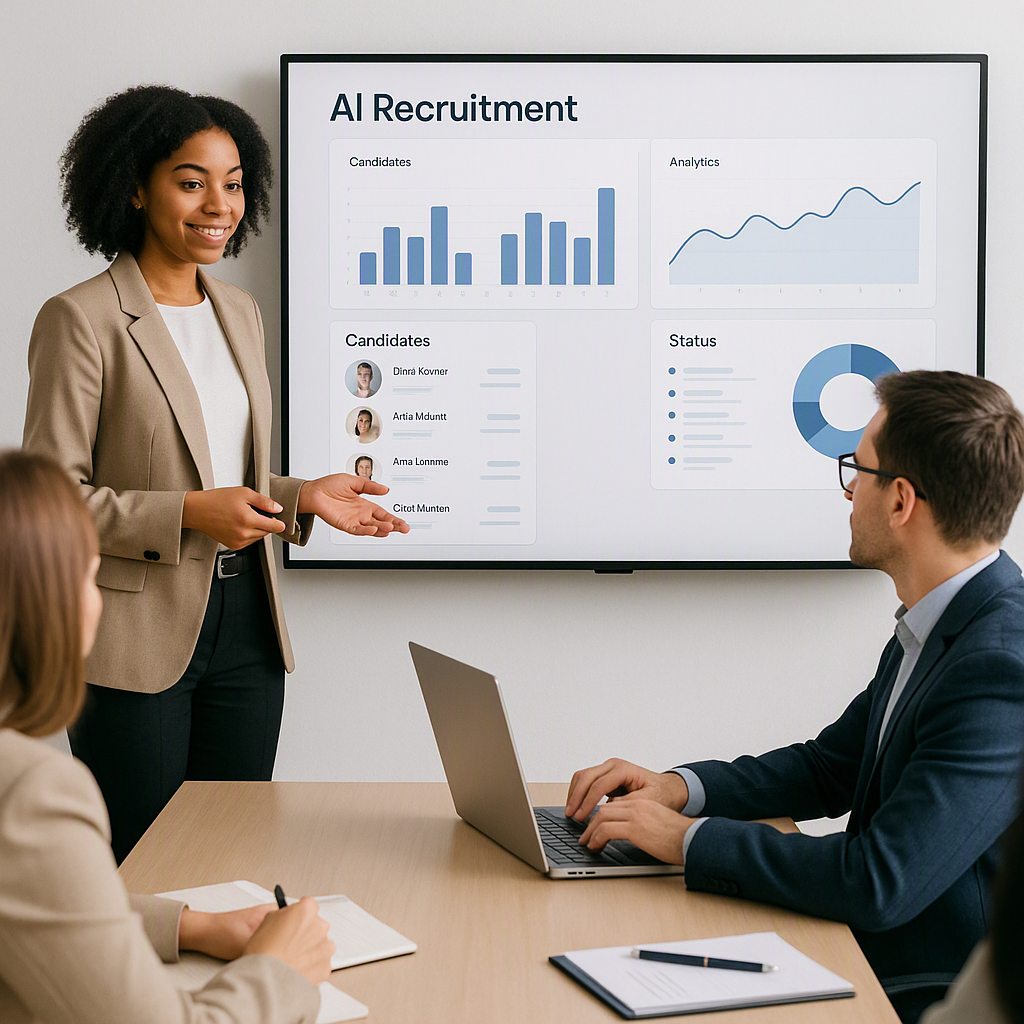
- Recruitment: Tools like HireVue and TalentNext use AI to screen resumes, cutting down hiring time by automating candidate evaluation.
- Customer Service: Chatbots powered by AI, such as those from companies like Zendesk, are replacing live agents in handling basic queries.
- Manufacturing: AI is optimizing production lines, reducing manual intervention, and predicting equipment maintenance needs.
These aren’t hypothetical scenarios; they’re already reshaping industries. If companies and workers don’t adapt, the consequences will be severe.
Why Aren’t Employers Preparing Their Teams?
Despite the undeniable impact of AI, many employers are dragging their feet. Why?
1. Denial
Some businesses are stuck in the mindset I had a few years ago: “AI doesn’t apply to us.” They underestimate the speed at which AI is evolving and fail to acknowledge its relevance to their sector. This type of denial is dangerous because it delays necessary adaptation.
2. Cost Concerns
Training employees on AI tools isn’t cheap. Companies often see this as an expense rather than an investment. However, the cost of not investing is far greater—lost productivity, high turnover rates, and difficulty competing in an AI-driven market.
3. Knowledge Gap
Even if employers want to train their teams, they often don’t know where to start. What tools should they use? What skills are most relevant? Without clear guidance, many organizations remain passive.
Actionable Steps for Employers:
- Conduct a Skills Audit: Use surveys or team assessments to gauge your workforce’s familiarity with AI tools.
- Start Small: Introduce basic AI concepts through low-cost resources like YouTube tutorials, Coursera courses, or LinkedIn Learning.
- Create a Budget: Allocate funds specifically for AI-related training programs. Treat it as an investment rather than a sunk cost.
- Hire Experts: Bring in consultants or trainers with real-world AI experience to guide your team.
The Role of Recruitment in Fixing This
Here’s a question: If employers aren’t training their current workers for AI disruption, are they at least hiring people with those skills? Sometimes yes, but often, no.
Why Recruitment Falls Short:
- Outdated Processes: Many companies rely on traditional hiring methods that prioritize past experience over adaptability.
- Misaligned Job Descriptions: Job postings often fail to highlight skills related to AI and automation, missing out on candidates who could thrive in future roles.
- Bias in Hiring: AI itself can introduce bias in recruitment if algorithms are poorly designed, as in the infamous Amazon case where their AI favored male candidates.
Tools That Help:
Platforms like TalentNext offer AI-powered resume analysis. Unlike traditional screening, these tools match candidates’ skills to job requirements, prioritizing emerging competencies like AI proficiency.
Example Use Case: For a marketing role, TalentNext can identify candidates experienced with AI analytics platforms or tools like ChatGPT for content creation. This saves recruiters time and ensures they hire for future-readiness, not just past successes.
Actionable Recruitment Tips:
- Revise Job Descriptions: Include AI-related skills like data analysis, familiarity with automation tools, and adaptability to emerging technologies.
- Leverage AI Tools: Use platforms like TalentNext or HireVue to streamline screening processes and focus on candidates with future-proof skills.
- Balance AI and Human Judgment: Use AI to handle repetitive tasks but rely on human recruiters to assess cultural fit and soft skills.
What We’re Doing Differently Now
Adapting to AI isn’t rocket science, but it does require a mindset shift. Here’s what we’ve learned:
1. Start with Awareness
Admitting there’s a gap is the first step. Conduct surveys or informal check-ins to understand how comfortable your team is with AI tools. If most employees are unfamiliar, prioritize education.
2. Invest in Training
Provide access to online courses and workshops. Platforms like Coursera and LinkedIn Learning offer affordable and comprehensive AI training options. Make this an ongoing effort rather than a one-time event.
3. Use AI to Teach AI
Adopt tools like TalentNext that not only streamline operations but also expose employees to AI in a practical way. Learning by doing is one of the fastest ways to build familiarity.
4. Rethink Job Descriptions
Stop hiring for the past. Use tools that analyze job descriptions and match them with the skills candidates need for an AI-driven workplace. This ensures your team is future-ready.
5. Prioritize Soft Skills
AI can’t replace emotional intelligence or interpersonal communication. Focus on hiring and developing team members with strong soft skills who can complement AI-driven processes.
Decision Framework: Invest or Wait?
| Criteria | Invest in AI Training | Wait |
|---|---|---|
| Workforce familiarity | Low | High |
| Industry impact of AI | High | Low |
| Budget for training | Available | Limited |
| Competitive landscape | Rapidly evolving | Stable |
If most of your criteria fall under “Invest in AI Training,” don’t delay. Waiting will only worsen the gap.
Final Thoughts
We’re at a tipping point. AI isn’t a buzzword anymore—it’s a reality. Employers who fail to prepare their teams for this shift are setting themselves up for failure. But those who invest in training, rethink their hiring processes, and embrace tools that make the transition easier? They’re the ones who’ll thrive.
If you’re struggling to adapt to the AI revolution, TalentNext can help. Its AI-powered resume screening and job matching tools are designed to save you time and identify the right talent for an AI-driven future. Get started today →