I Used to Think AI Recruitment Tools Were the Problem
Bias in hiring is as old as the process itself. I used to believe AI tools couldn’t fix it. My thinking was simple: algorithms are trained on human data, and human data is riddled with bias. If most resumes that led to interviews were from Ivy League graduates or men in tech, wouldn’t the AI just keep favoring them? It seemed obvious. AI would replicate human flaws, just faster.
In fact, I avoided recommending AI for recruitment at all. I’d tell recruiters to stick with human-led processes, even if they were slower. Sure, people are biased too. But at least human bias could be addressed with training and oversight, right? AI felt like handing over control to a system we couldn’t fully trust.
What Changed My Mind
It wasn’t a big study or a fancy presentation that shifted my perspective. It was a single feature in TalentNext’s AI-powered recruitment tool. I read about how they anonymize certain data points, like names and addresses, to reduce unconscious bias. That caught my attention. Could a tool actually remove some of the most common triggers for discrimination? I had to find out.
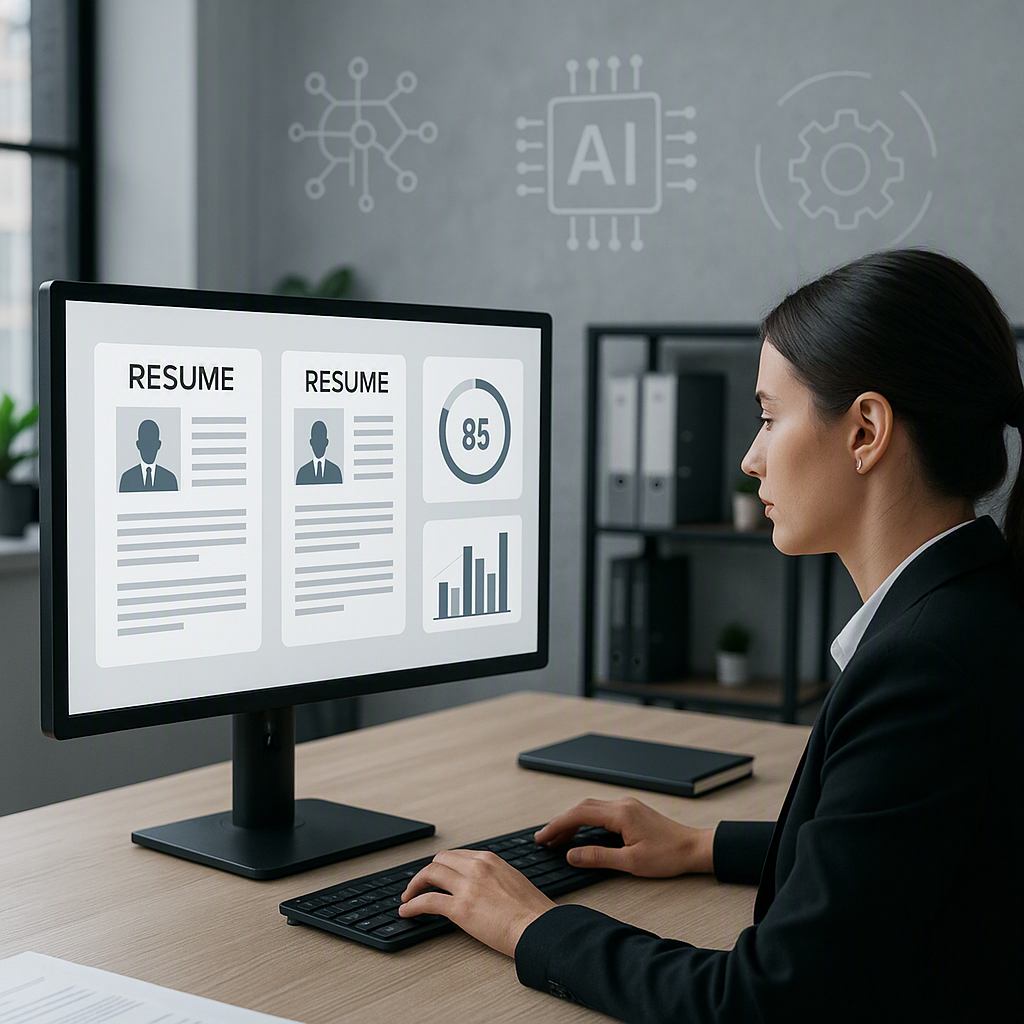
I tested it with a small pool of resumes—some I’d already reviewed manually for a client project. TalentNext flagged candidates based on their skills, qualifications, and job-match strength. I noticed something surprising: one of the top-scoring resumes came from a candidate I’d initially overlooked. They didn’t have the “prestigious” college degree I usually prioritized, but their experience and certifications made them a strong fit.
This experience challenged my assumption that AI would only amplify bias. Instead, it demonstrated that a well-designed tool could help mitigate it. By anonymizing certain data points, the algorithm focused on qualifications rather than irrelevant factors.
And the results weren’t just anecdotal. A 2021 report from Stanford University found that AI tools designed for recruitment can reduce bias when algorithms are properly calibrated. For instance, anonymization of data like names and addresses has been shown to reduce the impact of unconscious biases during resume reviews (Stanford, 2021).
Why My Old Belief Stuck Around So Long
Let’s be honest: skepticism about AI in hiring isn’t just intellectual; it’s emotional. There’s something unnerving about letting a machine decide who gets to move forward in such a personal process. Plus, the media is full of horror stories about algorithmic discrimination—like when Amazon’s AI recruitment tool reportedly penalized resumes that included the word "women" because it was trained on biased data from male-dominated hiring decisions (Reuters, 2018).
This skepticism is rooted in a few valid concerns:
- Training Data Bias: AI learns from historical hiring data, which is often skewed. If past hiring decisions favored certain demographics, AI could perpetuate those biases.
- Black Box Algorithms: Many AI tools don’t disclose how their algorithms work, leaving recruiters in the dark about decision-making processes.
- Over-Reliance on Speed: When faced with hundreds of resumes, it’s tempting to trust the tool unconditionally, which can lead to unintentional errors.
For years, I believed AI tools were either fast or fair, but never both. I didn’t think they could balance speed with ethics. This belief made me stick to manual processes, assuming they were safer, even if they were slower.
What I Do Differently Now
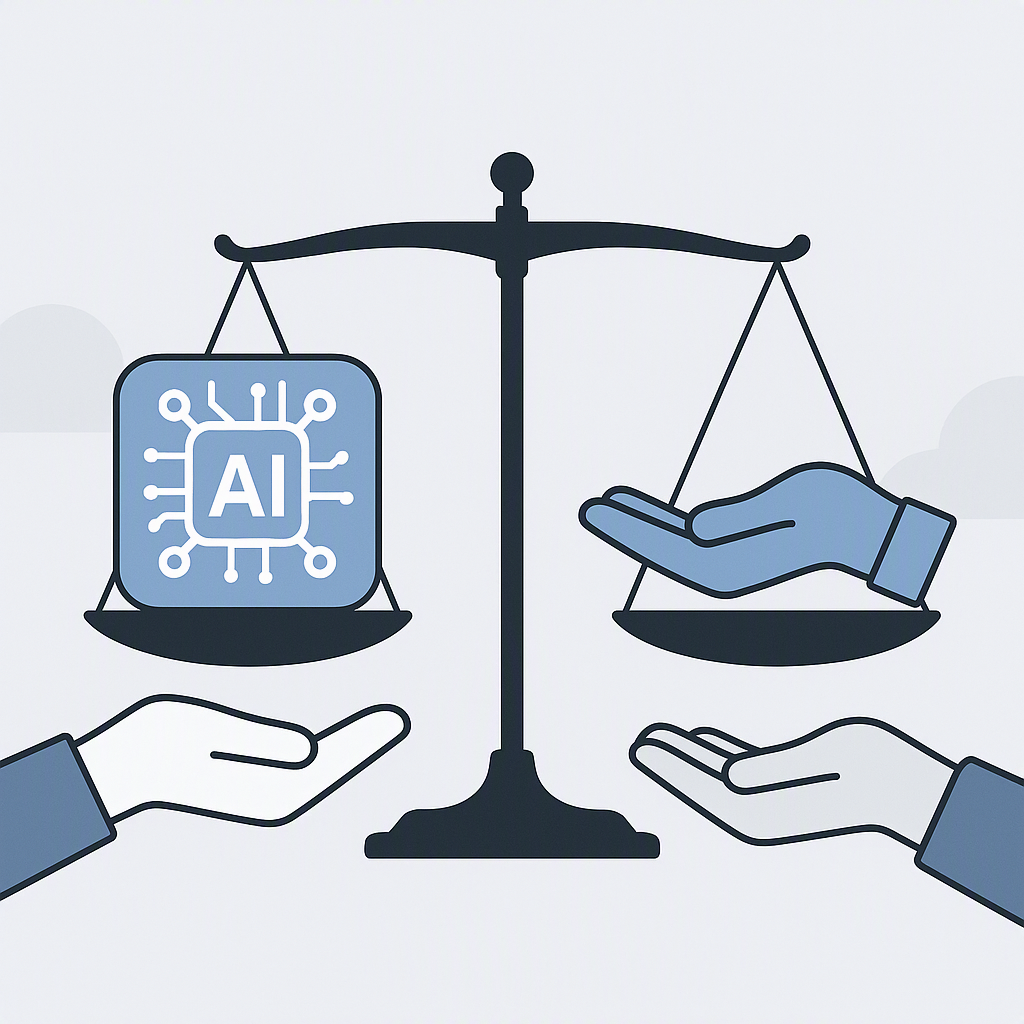
Now, I don’t dismiss AI outright. But I don’t rely on it blindly, either. Instead, I follow a structured, hybrid approach that combines AI efficiency with human judgment:
1. Evaluate Transparency:
Before using any AI recruitment tool, I review its scoring criteria. Are the algorithms focusing on objective metrics like skills and experience? Are they ignoring subjective data like names, addresses, or graduation years? Transparency matters. If the tool can’t show me how it evaluates candidates, I won’t use it.
For example, TalentNext explicitly states that it anonymizes identifying data during the screening process, focusing solely on skills, certifications, and job-match strength. This level of transparency is rare but essential.
2. Start With AI, End With Humans:
AI is great for initial screening. For example, TalentNext sorts resumes based on objective metrics like qualifications and job-match strength. After the AI narrows down the pool, I manually review the top candidates to ensure cultural fit and avoid missing hidden gems.
3. Audit Regularly:
Even the best AI tools need oversight. I periodically review how well the tool performs. Are diverse candidates making it through the screening process? Are the results aligned with company goals for inclusivity? Regular audits help identify issues before they become systemic.
In 2022, a case study conducted by TalentNext showed that regular audits of AI recruitment tools led to a 15% increase in hiring diversity across participating companies.
4. Combine AI With Bias Training:
AI can reduce unconscious bias, but it’s not a substitute for human effort. Recruiters and hiring managers still need training to recognize their own biases. Combining bias training with AI tools creates a more ethical hiring process.
What Being Wrong Cost—and What I’m Still Unsure About
Being wrong about AI recruitment tools probably cost me time. I spent hours manually screening resumes that an AI tool could’ve processed in minutes. It also cost me opportunities to discover great candidates I might’ve overlooked because of my own biases.
But here’s what I’m still not sure about:
1. Is AI Ever Truly Unbiased?
Even tools like TalentNext, which anonymize data and audit algorithms, depend on the quality of their training data. If that data is flawed, the results will still reflect bias. This makes me cautious about fully trusting any AI tool.
2. Accountability:
If a biased algorithm leads to a discriminatory hiring decision, who’s responsible—the recruiter or the tool’s developer? It’s a grey area that recruiters need to navigate carefully.
3. Long-Term Impact:
AI might reduce bias in early stages, but what happens later? Will hiring managers override AI recommendations based on their own preferences? The human element still plays a significant role.
FAQ
Q: Can AI tools completely eliminate hiring bias? A: No, but they can reduce it significantly. Tools like TalentNext anonymize certain data points and focus on objective criteria, but human oversight is still essential.
Q: How do I ensure my AI recruitment tool is ethical? A: Look for tools that are transparent about their algorithms and regularly audit for bias. Avoid systems that don’t explain how they score candidates.
Q: Is AI better than manual screening? A: For large applicant pools, yes. AI saves time and reduces unconscious bias, but human judgment is still critical for assessing cultural fit and other subjective factors.
Q: What are the risks of using AI in hiring? A: Risks include perpetuating bias from flawed training data, lack of transparency, and over-reliance on automated decisions. Regular audits and human oversight can help mitigate these risks.
Q: How do I balance AI efficiency with fairness? A: Use AI for initial screening and pair it with manual reviews. Ensure the tool anonymizes irrelevant data like names and addresses, and audit its performance regularly.
Decision Framework: AI vs Manual Screening
| Criteria | AI Screening | Manual Screening |
|---|---|---|
| Speed | Processes hundreds of resumes in minutes | Time-consuming |
| Bias Reduction | Reduces bias through anonymized data | Relies on recruiter training |
| Transparency | Depends on the tool (e.g., TalentNext is transparent) | Full control but prone to unconscious bias |
| Scalability | Ideal for large applicant pools | Not scalable |
| Subjective Assessments | Weak in evaluating cultural fit | Strong in assessing subjective factors |
Final Thoughts
If you’ve been hesitant to use AI recruitment tools because of bias concerns, I get it. I was there too. But tools like TalentNext show it’s possible to balance efficiency with fairness—if you’re willing to dig into how they work and use them responsibly.
If you’re dealing with bias and inefficiency in hiring, TalentNext can help. Get started free →