I Used to Think Measuring Quality of Hire Was Simple
Quality of hire? Easy. You look at performance reviews, retention rates, and maybe ask the hiring manager if they're happy. Done. That's what I believed for years—and I wasn't alone.
The logic seemed airtight. Performance metrics are measurable, turnover rates are objective, and hiring manager satisfaction surveys add a human layer. But the more I dug into it, the more cracks started to show.
The Thing That Changed It
A conversation with a hiring manager in early 2024 changed my perspective. "Sure, this person ticks all the boxes," they said, "but they’re just... not the right fit." That stuck with me. If a new hire is meeting expectations but still feels like a mismatch, what does that say about our hiring process?
Around the same time, I started seeing reports about AI tools like TalentNext. These platforms claimed to offer deeper insights into candidate-job fit. One stat jumped out: companies using AI-driven hiring tools reported a 35% increase in quality hires, according to HR Tech Outlook. That wasn’t just a number—it was a challenge to my assumptions.
Why My Old Belief Lasted
Looking back, my old belief was convenient. Traditional methods were familiar and easy to explain to stakeholders. HR teams could point to retention and performance data as proof they were doing a good job. And let's be honest—no one really wanted to admit how subjective "quality of hire" actually was.
But here’s the problem: those metrics don’t capture the full picture.
- Retention Doesn’t Equal Engagement: Just because someone stays doesn’t mean they’re thriving. A hire who barely contributes but sticks around for two years isn’t a high-quality hire.
- Performance Reviews Are Limited: Many reviews focus on short-term results or are influenced by biases—such as favoritism or leniency.
- Hiring Manager Satisfaction Can Be Inconsistent: Managers may judge the "fit" based on personal preferences, not objective criteria. This adds variability to an already subjective metric.
What AI Does Differently
AI flips the script. Instead of relying on fragmented data, tools like TalentNext analyze resumes, job descriptions, and post-hire metrics holistically. Here’s how:
Objective Scoring
TalentNext uses AI-powered scorecards to evaluate candidates against job descriptions. These scorecards highlight job-match strength in seconds, cutting through the noise of overly polished resumes. Instead of relying on gut instinct, recruiters get quantifiable data.
Predictive Insights
It doesn’t stop at pre-hire data. AI tools analyze post-hire metrics like:
- Time-to-productivity: How quickly new hires ramp up.
- Training success rates: Whether they excel in onboarding or training programs.
These insights help recruiters identify trends early. For example, if new hires consistently struggle with onboarding, it might signal a mismatch in skill alignment.
Bias Reduction
AI applies consistent criteria across all candidates, reducing variability caused by human subjectivity. For instance:
- If a hiring manager prefers one personality type over another, AI can counterbalance this by focusing solely on job-relevant attributes.
- AI doesn’t care about irrelevant factors like alma mater or whether someone "clicked" during the interview.
These features not only make the hiring process more efficient—they also make quality of hire measurable in ways traditional methods couldn’t.
AI in Action: Improving Quality of Hire
Let’s say you’re hiring for a marketing role in a fast-paced startup. You need someone who’s creative, analytical, and thrives under pressure. Traditional methods might involve reviewing resumes manually and relying on gut feeling during interviews.
Here’s how AI changes the game:
-
Pre-Hire Analysis:
- Upload the job description and a batch of resumes to TalentNext.
- The AI evaluates candidates based on hard skills (e.g., digital marketing expertise) and soft factors like adaptability (quantified through keyword analysis and patterns in past roles).
- It produces scorecards ranking candidates by job-match strength.
-
Post-Hire Insights:
- Track how the selected candidate performs against key metrics such as campaign success rates and time-to-productivity.
- Feed this data back into the system to refine future hiring criteria.
By creating a feedback loop, AI optimizes hiring outcomes over time.
The Candidate Perspective
Here’s something most recruiters overlook: quality of hire isn’t just about the company—it’s also about the candidate’s experience. If you hire someone for a role they’re poorly suited for, it’s likely they’ll disengage or leave. Poor fit leads to frustration on both sides.
How TalentNext Helps Candidates
AI-driven feedback tools suggest resume improvements based on job descriptions. For example, if you’re applying for a software engineering role, the system might recommend emphasizing skills like "Python" or "Agile development." These tweaks can significantly increase the chances of landing a job that’s a good fit.
The result? Candidates find roles where they can excel, and companies avoid hiring mismatches. It’s a win-win.
Challenges and What I’m Still Figuring Out
AI isn’t perfect. It’s only as good as the data you feed it. If your job descriptions are vague or your performance metrics aren’t clearly defined, the insights will be limited.
Key Challenges:
- Vague Job Descriptions: If requirements are unclear or overly generic, AI has less to work with. For example, "strong communication skills" is too broad—what kind of communication is required?
- Bias in Training Data: Algorithms can unintentionally reinforce biases baked into historical hiring decisions. Regular audits are essential.
- Over-reliance on AI: AI should complement human judgment, not replace it. A scorecard can tell you who’s likely to excel based on past patterns, but it can’t predict chemistry or how someone will grow into a role.
What I Do Differently Now
Today, I use a hybrid approach:
-
Pre-Hire Screening:
- AI handles the heavy lifting—screening resumes, scoring candidates, and flagging top matches.
- I cross-check AI insights with human input. For instance, if a candidate scores high on adaptability but lacks direct experience, I’ll dig deeper during interviews.
-
Post-Hire Metrics:
- I’ve started incorporating metrics like time-to-productivity into our analytics.
- If new hires are taking longer to ramp up, it’s a signal we need to refine our screening criteria.
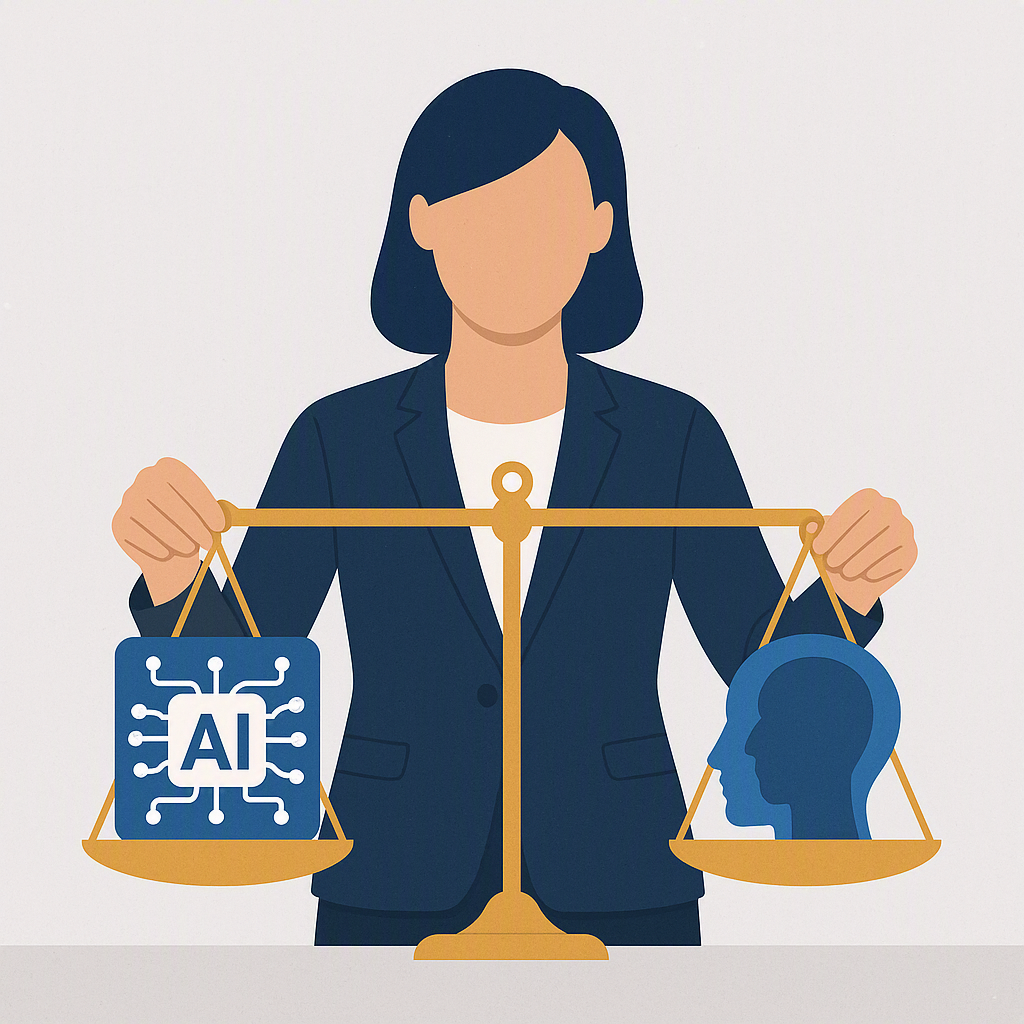
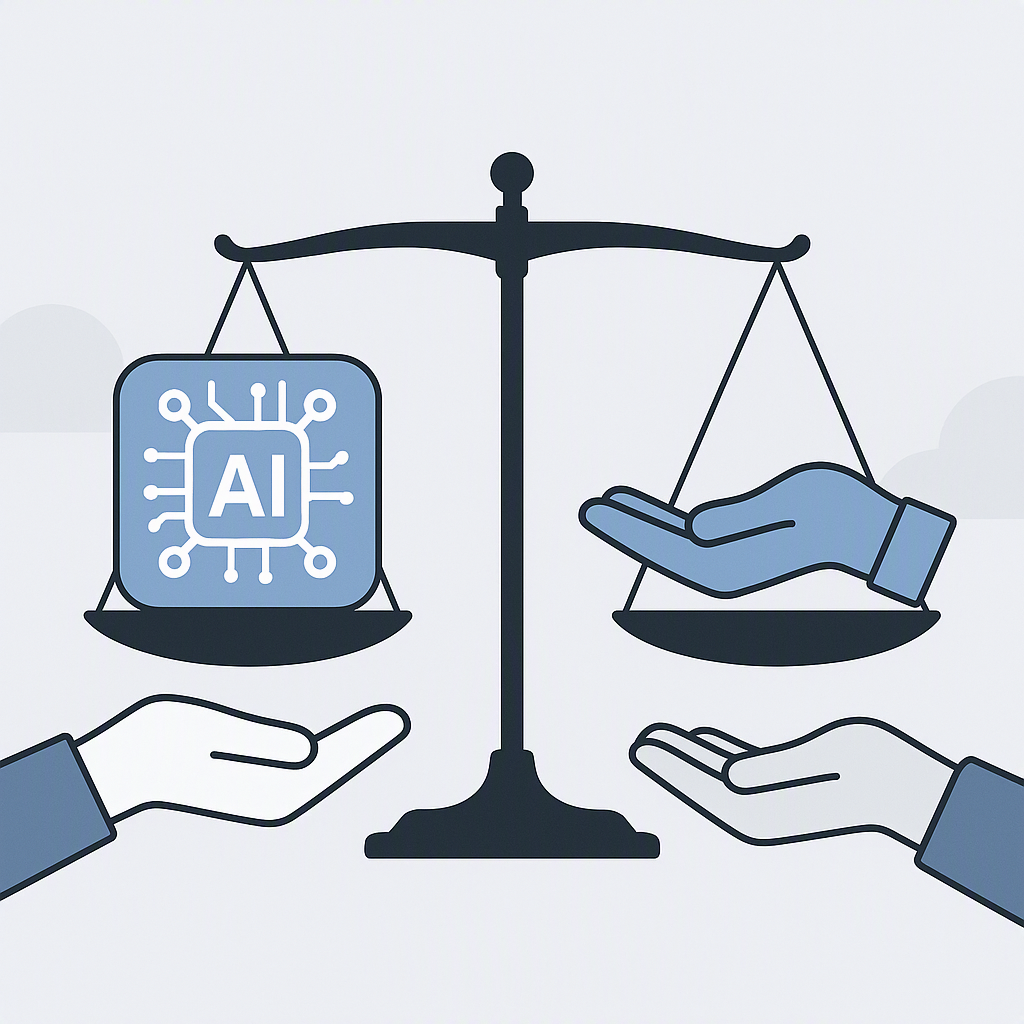
This hybrid approach balances efficiency and human judgment.
Decision Framework: Traditional Methods vs. AI-Driven Tools
| Criteria | Traditional Methods | AI-Driven Tools (e.g., TalentNext) |
|---|---|---|
| Efficiency | Manual and time-consuming | Automated and fast |
| Bias Reduction | Subject to human bias | Reduces bias with consistent criteria |
| Data Integration | Fragmented metrics | Holistic analysis |
| Predictive Insights | Limited | Advanced predictive analytics |
| Candidate Experience | Passive (no feedback) | Active (resume optimization) |
Closing Thoughts
If you’re struggling with subjective hiring metrics, AI can help. Tools like TalentNext make it easier to measure quality of hire and improve outcomes for both recruiters and candidates. Get started free →