I Used to Think Manual Screening Was Enough
When it came to hiring freshers, I thought manual screening was the way to go. After all, most fresh graduates don’t have extensive work experience, so their resumes are straightforward. I believed that recruiters could easily spot potential by scanning for educational background, internships, and maybe a couple of extracurriculars.
Sure, it was tedious, but it seemed like the best way to truly understand a candidate. I used to argue with colleagues who suggested using AI tools for screening entry-level applicants. "AI doesn’t understand nuance," I’d say. "It’s just going to score based on keywords, and we’ll lose the human touch."
The Moment Everything Changed
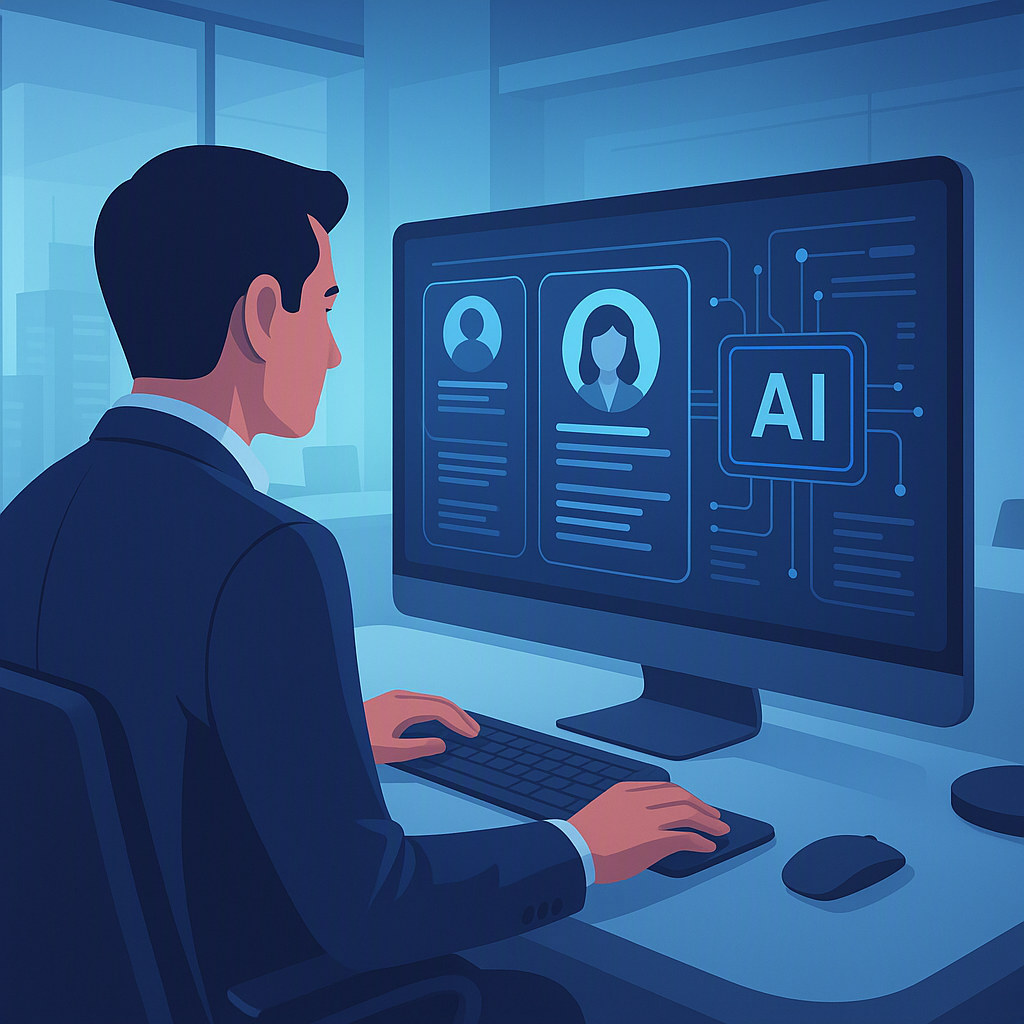
Here’s what flipped my perspective: a single position for a marketing trainee generated 450 applications in two days. Yes, you read that right—450. Out of those, we needed to shortlist 15 people for interviews. I was leading the hiring process, and I spent the better part of a week going through resumes. By the end of it, I was exhausted, frustrated, and questioning my sanity.
Out of those 450 applications, at least 200 had zero relevance to the role. Half the candidates didn’t even meet the basic requirements listed in the job description. All the while, I kept thinking, "There’s got to be a better way to do this."
This wasn’t just a one-off experience. A report by Glassdoor found that the average corporate job opening attracts 250 resumes, with only 4-6 candidates being called for an interview. Manually screening resumes at that scale is not just time-consuming; it’s unsustainable.
That’s when I started looking into AI-powered tools. I found platforms like TalentNext, which promise to cut screening time by 75% using AI resume analysis and scoring. At first, I was skeptical—how could a machine help me spot the right candidates better than I could?
Why I Held On to My Original Belief
In hindsight, I think I resisted AI tools because I didn’t trust them. They felt impersonal and robotic, and I worried about losing the human touch. I believed that I could spot a talented fresher better than any algorithm could. After all, an AI wouldn’t know what it’s like to sit across from a candidate and hear them talk about their ambitions or how they handled a tough project.
I also had concerns about bias. AI tools rely on data, and if the data is flawed or biased, the AI will only reinforce those biases. For example, if an AI system is trained on data that favors candidates from certain universities, it might unfairly disadvantage talented candidates from less prestigious schools. In my mind, manual screening was the safer, more ethical option.
But the reality is, manual screening isn’t perfect either. Humans have biases—tons of them. We judge people based on their names, the formatting of their resumes, even the university they attended. And when you’re sifting through hundreds of resumes, fatigue sets in. You start making snap decisions, and you might miss out on great candidates because you’re just trying to get through the pile.
What I Do Differently Now
I started using TalentNext’s AI-powered resume screening platform for entry-level roles. Here’s how it changed things:
1. Bulk Resume Uploads
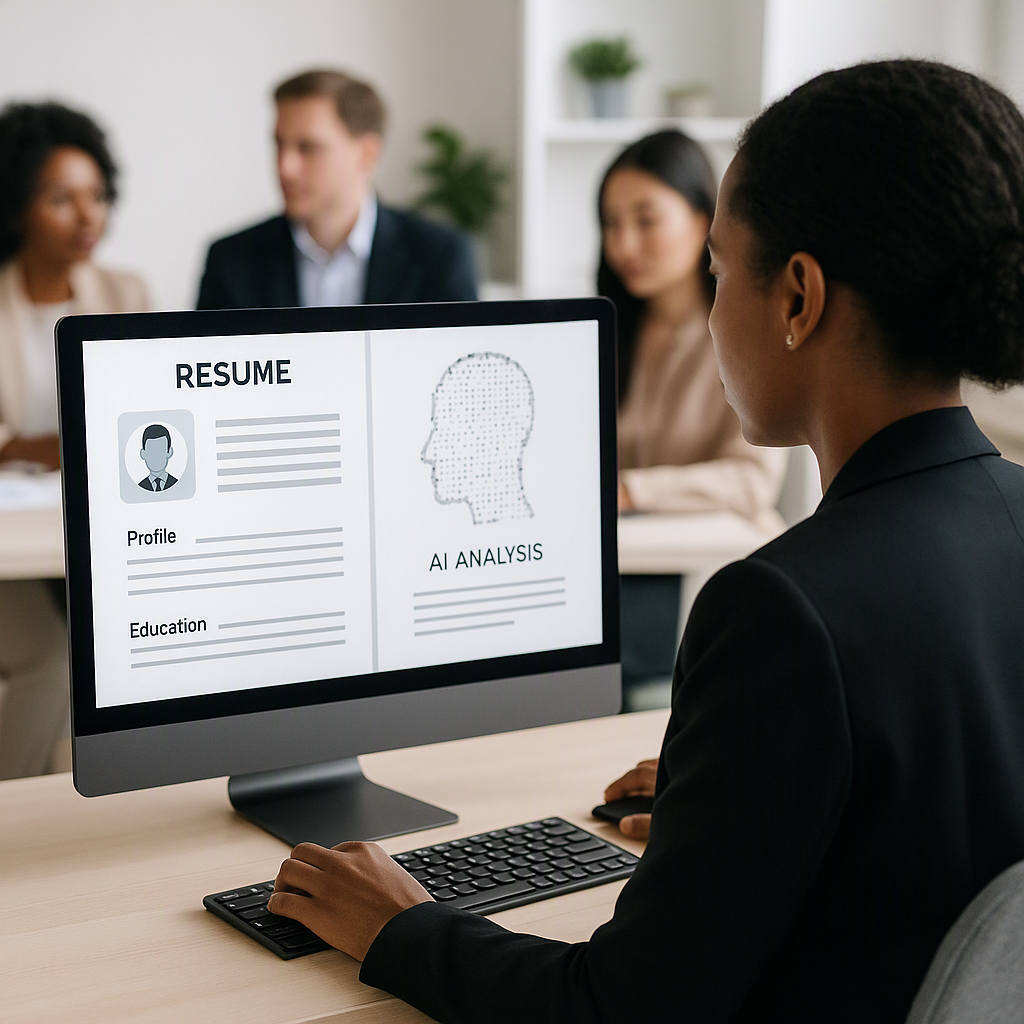
Instead of manually opening 450 resumes, I uploaded them all at once into the platform. Within minutes, it analyzed and scored each resume against the job description. This process saved me hours of work and helped me focus on the most relevant candidates.
Actionable Tip: If you’re considering AI tools, ensure the platform allows batch uploads. This is critical for scalability when dealing with high application volumes. Check for formats supported, such as PDFs, Word documents, or even LinkedIn profiles.
2. Candidate Scorecards
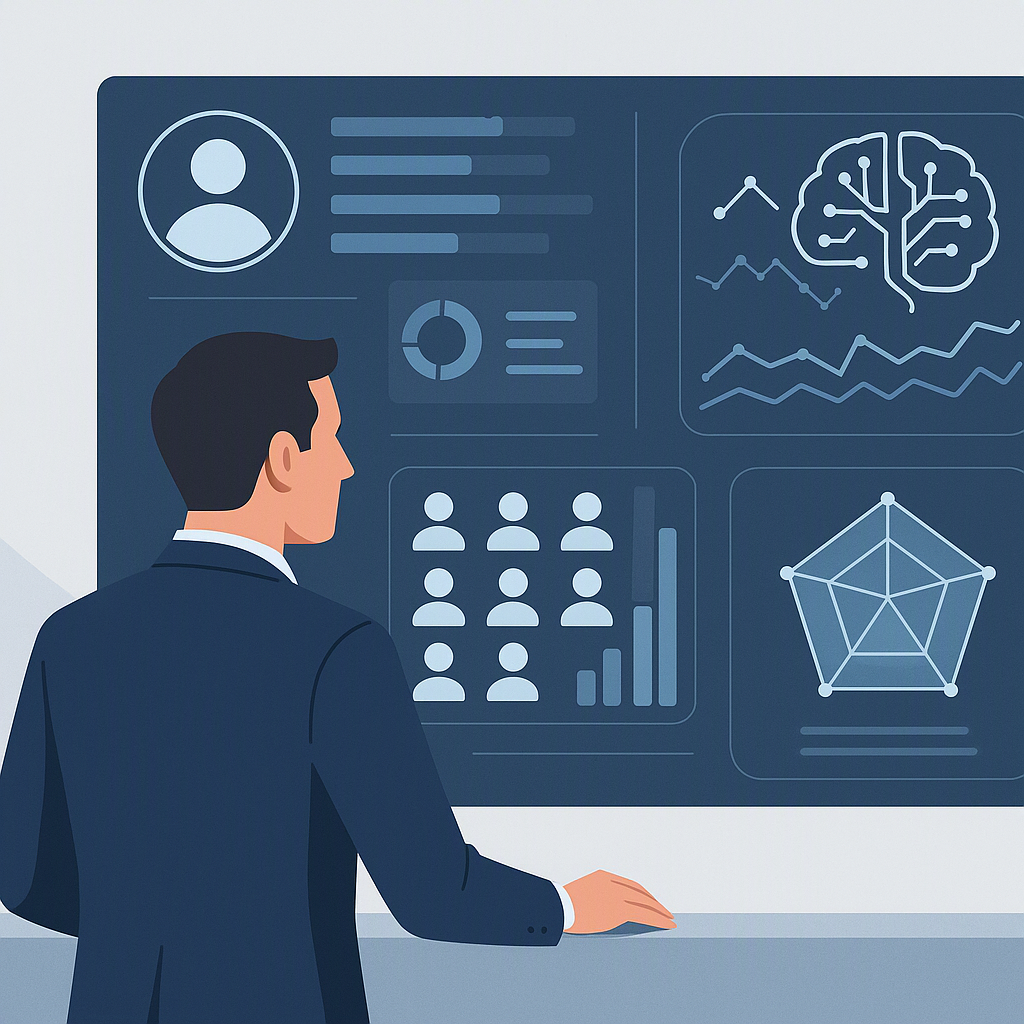
The tool generated scorecards for each candidate, showing how well their qualifications matched the role. It highlighted key skills, education, and relevant experience, so I could focus on the top 10% of applicants without worrying about missing someone.
Actionable Tip: Customize your scoring criteria based on what’s most relevant for the role. For example, if you’re hiring for a marketing position, prioritize skills like SEO, content creation, and social media analytics over generic attributes like "team player."
3. Resume Feedback for Candidates
One unexpected bonus was the AI-driven feedback for applicants. Freshers often struggle with crafting effective resumes, and the platform provided actionable tips to help them improve. This wasn’t just helpful for me—it was a win-win for the candidates.
For instance, one candidate’s resume was flagged because it lacked keywords related to digital marketing tools. After receiving the AI’s feedback, they revised their application, added their relevant skills, and ended up making it to the interview round. They didn’t get the job, but the experience empowered them to create stronger applications for future roles.
Actionable Tip: Look for AI tools that offer candidate feedback as part of their platform. This can enhance the candidate experience and reflect positively on your employer brand.
What Being Wrong Cost Me
Honestly, sticking to manual screening for as long as I did cost me time, energy, and probably a few great hires. I spent hours on tasks that could’ve been automated, leaving me less time to actually engage with the top candidates. And let’s not forget the toll it took on my team—we were all burnt out by the end of that week.
Even now, I’m not 100% sold on AI tools for every type of recruitment. For senior roles or niche positions, I still prefer a hands-on approach. But when it comes to hiring freshers? AI makes too much sense to ignore.
Comparison: Manual Screening vs. AI Screening
| Feature | Manual Screening | AI Screening |
|---|---|---|
| Time Efficiency | Hours or days | Minutes |
| Scalability | Limited | High |
| Bias Reduction | Prone to human bias | Potentially biased (data-dependent) |
| Soft Skill Assessment | Possible through reading and context | Limited |
| Resume Feedback | Not provided | Often included |
| Cost | Staff time and resources | Subscription or licensing fee |
Final Thoughts
Switching to AI for fresher recruitment was one of the best decisions I’ve made. It’s not perfect, but it’s a massive upgrade from manual screening. If you’re drowning in applications, AI tools like TalentNext can help you focus on what really matters—connecting with great candidates.