I Used to Think AI-Driven Layoffs Were a Terrible Idea
When I first heard about managers using AI to make layoff decisions, I had one reaction: "This is awful." It sounded like the ultimate way to dehumanize workforce management. In my view at the time, layoffs should be about balancing business needs with empathy—not outsourcing the process to algorithms. I imagined companies reducing people to scores, ignoring context, and making decisions that would backfire in morale and productivity.
Frankly, I thought it was lazy.
What Changed My Mind
Then, last year, I had a conversation with an HR director during a roundtable on workforce automation. She mentioned how her team had used AI tools not just to identify redundancies but also to map skills gaps and plan retraining initiatives. More importantly, she wasn’t letting the AI “decide” anything on its own. It was a tool, not a dictator.
She gave a specific example: during a post-pandemic downsizing, her team used AI to analyze employee skillsets alongside projected company needs. Instead of cutting people arbitrarily, they identified roles that could be repurposed. Some employees weren’t laid off—they were reassigned to new departments or offered training opportunities based on skills flagged by the system.
That conversation forced me to rethink my stance. AI wasn’t necessarily about replacing human judgment—it could enhance it.
How AI Can Enhance Layoff Decisions
AI tools like TalentNext or Workday Adaptive Insights can crunch complex datasets to identify patterns that humans might miss. For example, these tools can:
- Analyze Skills and Performance: AI can parse employee performance reviews, project histories, and skill certifications to pinpoint employees who may be better suited for other roles or departments.
- Forecast Future Needs: By analyzing market trends and internal company data, AI can identify roles that may become redundant and suggest areas where retraining might be more cost-effective than layoffs.
- Automate Administrative Tasks: AI can automate repetitive tasks like compiling employee data, freeing up HR teams to focus on providing empathy and support during transition periods.
- Create Data-Driven Workforce Plans: AI can simulate different layoff scenarios and their potential impact on operations, helping companies make better-informed decisions.
Actionable Steps for Implementation
- Start With Clear Objectives: Define what you want to achieve with AI tools. Is the focus on cutting costs, improving efficiency, or retaining talent?
- Invest in the Right Tools: Research platforms that align with your company’s needs, such as TalentNext for skill mapping or Workday Adaptive Insights for workforce planning.
- Train Your HR Team: Ensure HR professionals understand how these tools work and how to interpret AI-generated insights.
- Incorporate Feedback Loops: Use real-world results to refine the AI’s algorithms over time.
This approach makes layoffs less about who gets cut and more about how companies can proactively manage talent to align with their strategic goals.
Why My Old Belief Lasted As Long As It Did
Looking back, my skepticism wasn’t entirely unfounded. AI-driven layoffs still carry risks. For one, algorithms can’t measure morale, cultural fit, or potential. Take Amazon’s AI hiring tool from 2018. It was scrapped because it discriminated against women, according to Reuters. Bias is a real problem, especially when data sets reflect historical inequities.
Risks of AI in Layoffs and Workforce Management
There are several challenges to be aware of when using AI-driven workforce tools:
- Bias in Algorithms: AI systems learn from historical data, which may contain biases. For instance, if a company has historically hired fewer women or people of color, the algorithm may inadvertently perpetuate those biases.
- Over-reliance on Data: Scoring systems often prioritize hard skills and measurable metrics, but they ignore soft skills, potential, and adaptability—qualities that are harder to quantify but equally critical.
- Transparency Issues: Many AI algorithms operate as "black boxes," meaning their decision-making processes are opaque. Without transparency, it’s hard to ensure decisions are fair.
- Ethical Concerns: Some companies may use AI tools to justify unethical layoffs by claiming that "the algorithm made the decision," thereby absolving themselves of responsibility.
- Lack of Context: While AI can analyze data, it struggles to factor in the nuances of human relationships, team dynamics, and individual circumstances.
Mitigating Risks
- Use Diverse Training Data: Ensure that the AI system is trained on data that reflects diversity in gender, ethnicity, and experience levels.
- Human Override Mechanism: Build systems where human managers can override algorithmic outputs and add context to decisions.
- Implement Explainable AI: Select tools that can explain their decision-making processes to ensure transparency and accountability.
So I held onto the idea that AI would inevitably reduce people to numbers, because that’s often what happens when automation is misused.
What I Do Differently Now
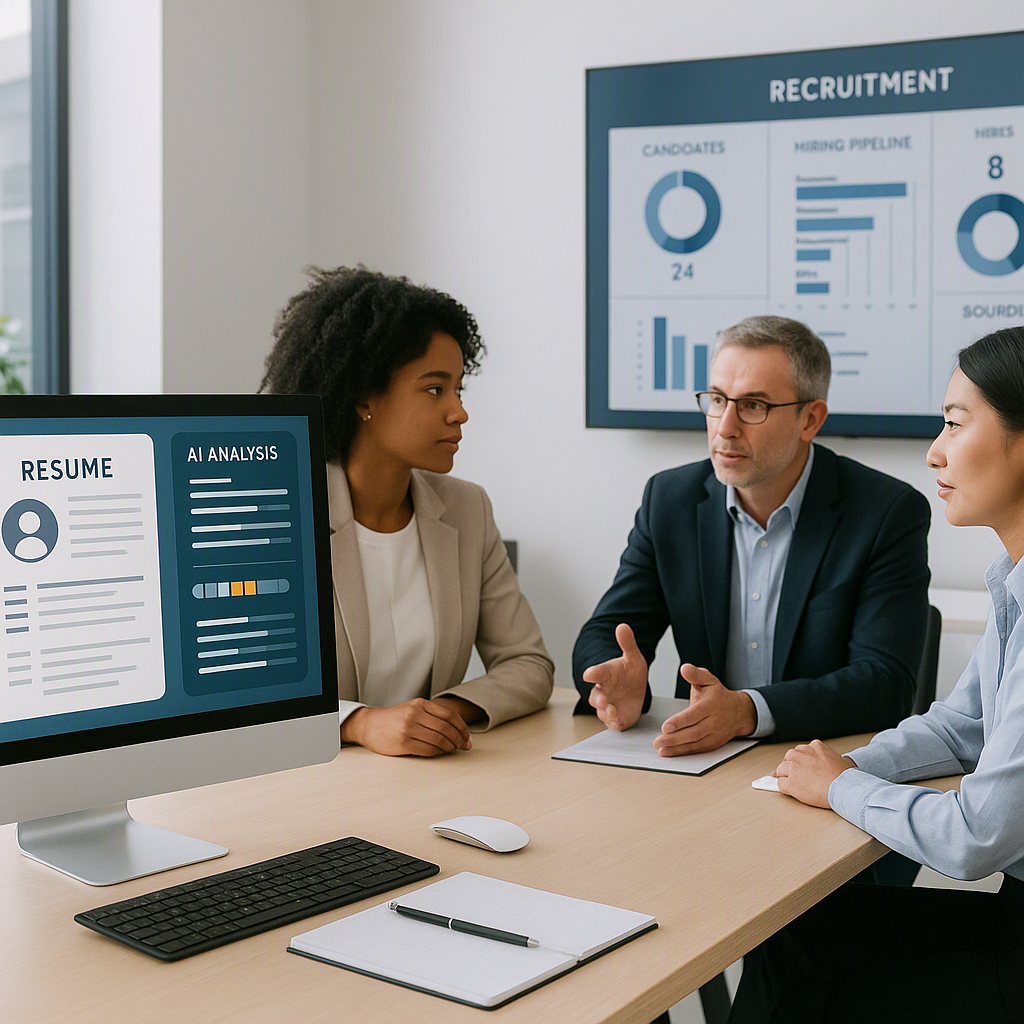
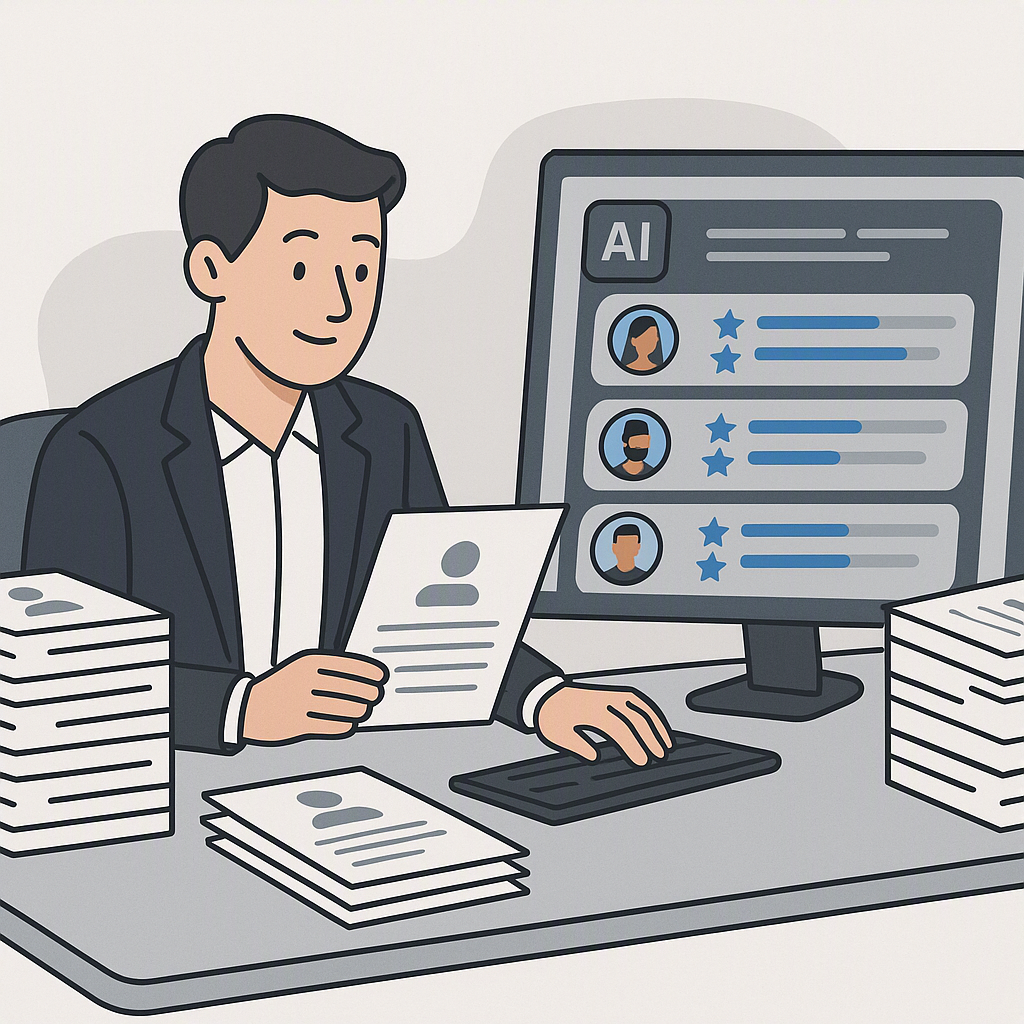
I don’t dismiss AI tools outright anymore. Instead, I ask: how are they being used? Are they a supplement or a substitute for human judgment? For example, platforms like TalentNext can analyze resumes and generate candidate scorecards showing job-match strength. That doesn’t mean they replace recruiters. It means recruiters have more time to focus on evaluating soft skills, cultural fit, and leadership potential.
Actionable Steps for Ethical AI-Driven Layoffs
- Combine AI Insights With Human Oversight: Use AI tools to generate data-driven insights but ensure final decisions are made by people who understand the context.
- Audit Your Algorithms: Regularly audit AI systems for bias, accuracy, and fairness. This includes examining the training datasets used to build the model.
- Prioritize Transparency: Choose AI tools that offer explainable algorithms, so HR teams can understand how decisions are being made.
- Focus on Reskilling: Use AI to identify transferable skills in employees and create retraining programs. This can reduce layoffs and improve employee morale.
- Communicate Openly: Be transparent with employees about how AI tools are being used in decision-making processes.
- Pilot Programs: Implement AI solutions on a small scale first to analyze results and refine processes before scaling up.
What Being Wrong Cost—or What I’m Still Unsure About
Being wrong about AI cost me time. I dismissed tools I could’ve explored earlier, and I probably missed opportunities to recommend smarter workflows to clients. But I’m still uneasy about one thing: how do we ensure ethical use of these tools? It’s easy to say “audit your AI systems,” but real-world audits are time-consuming and expensive. And let’s be honest—some companies won’t bother unless forced by regulation.
Decision Framework: Should You Use AI in Layoffs?
| Question | Yes | No |
|---|---|---|
| Is AI supplementing human judgment? | AI can enhance decision-making by providing insights, not replacing it. | Avoid using AI as the sole decision-maker. |
| Have you audited for bias? | Regular audits ensure fairness and accuracy. | Don’t deploy AI without understanding its limitations. |
| Are employees informed? | Transparency builds trust and reduces resistance. | Lack of communication erodes morale and trust. |
| Can AI identify retraining options? | Use AI to flag employees for reskilling or reassignment. | Avoid using AI that only focuses on layoffs without alternatives. |
| Is your workforce data comprehensive and up-to-date? | AI performs better with accurate, updated datasets. | Don’t use AI with outdated or incomplete data. |
AI-driven layoffs are here to stay, but the conversation around their ethical implications is far from over.
If you're dealing with hiring challenges post-layoffs, TalentNext can help. Get AI-driven insights to streamline recruitment and focus on engaging top talent.