I Used to Think AI in Recruitment Was Overhyped
A few years ago, I didn’t buy into the AI recruitment hype. Sure, it worked for chatbots or automating interview scheduling, but evaluating resumes? Filtering candidates? I was skeptical. After all, hiring is a human process, right? How could an algorithm understand the nuances of a candidate’s story—their career trajectory, their quirks, their potential—better than a seasoned recruiter could?
I wasn’t alone. A 2023 study by LinkedIn showed that 80% of recruiters believed AI would never replace their ability to judge soft skills or cultural fit. I was part of that 80%. We believed that AI was just a fancy tool to tick boxes, not a serious game player.
The Thing That Changed My Mind
Then, I hit a wall. It was early 2024, and I was leading a hiring campaign for a mid-size tech company. We posted a job that attracted over 300 applicants. That sounds great in theory, but trust me, it wasn’t. It was chaos.
By the time I manually screened the first 50 resumes, I was already burnt out. I missed key qualifications on some resumes simply because I was rushing. Worse, I ended up spending hours on applicants who were clearly off the mark. And despite my efforts, a couple of strong candidates slipped through the cracks.
That’s when I decided to try an AI-powered tool. I’d read about platforms like TalentNext in industry articles and thought, "What do I have to lose?" Their promise of reducing screening time by 75% was appealing, but I wasn’t convinced it would deliver.
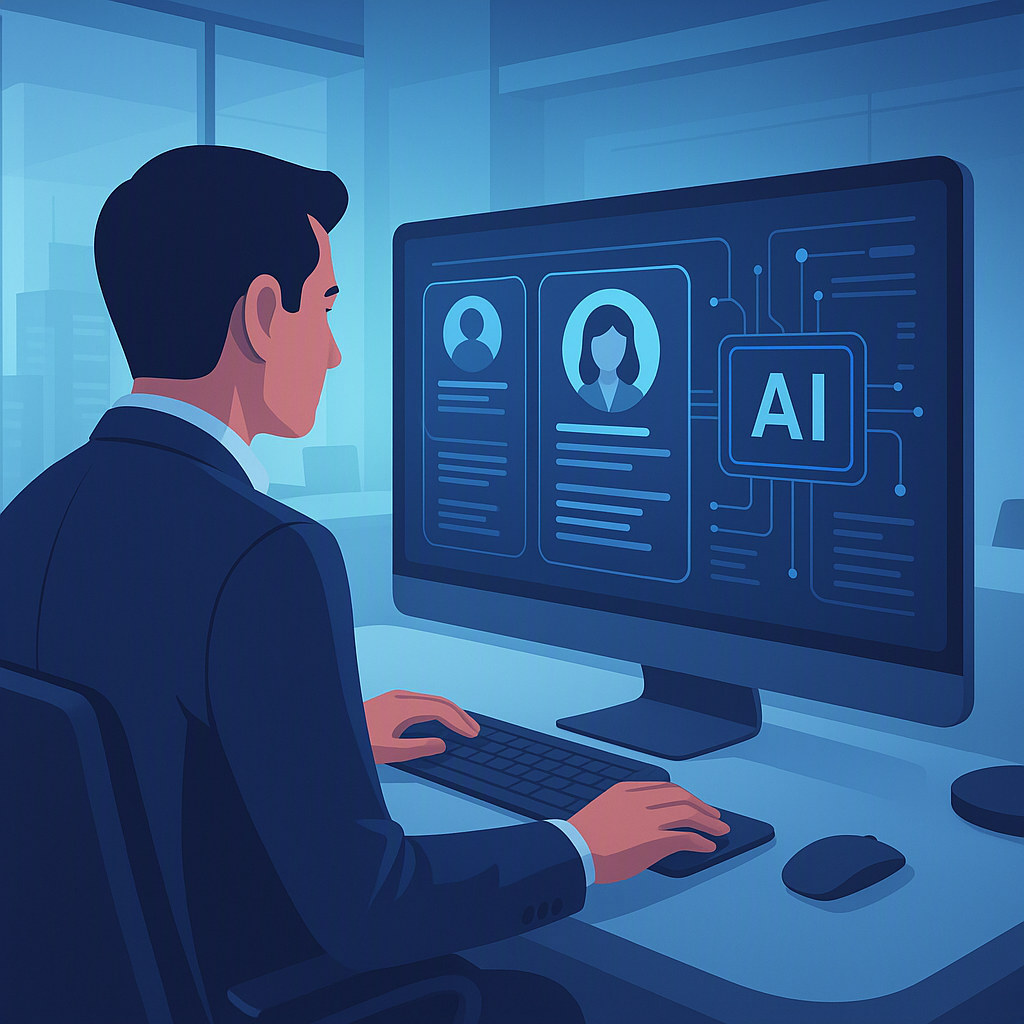
I uploaded the 300 resumes into the system, along with the job description. Within minutes, it generated a ranked list of candidates based on match strength. It flagged resumes that were the best fit for the role, complete with scorecards showing how well each matched key skills like Salesforce experience or familiarity with HubSpot.
I was floored. The top-ranked candidates were spot-on. They matched the job requirements better than the candidates I had initially shortlisted. And it wasn’t just about keywords; the AI flagged resumes based on context—things like years of experience in SaaS sales and relevant certifications.
Why My Old Belief Made Sense, But Missed the Mark
At first, I thought my skepticism was justified. After all, recruitment requires empathy and human insight. You can’t determine someone’s potential just by analyzing keywords, right?
But here's the thing: I wasn’t wrong about the importance of human judgment—I was wrong about where that judgment belongs in the process. Screening resumes isn’t the best use of a recruiter’s time. It’s tedious, repetitive, and prone to human error. And when you’re dealing with hundreds of resumes, even the most experienced recruiter can’t give each application the attention it deserves.
AI doesn’t replace human judgment; it enhances it. It frees up time by handling the repetitive, data-driven tasks, so you can focus on the parts of recruitment that actually require your expertise—like assessing cultural fit or building relationships with candidates. It’s the ultimate assistant, not the competition.
What I Do Differently Now
Today, I start every hiring campaign with AI-powered resume screening, and TalentNext is my go-to tool. The bulk upload feature alone has saved me countless hours. Instead of slogging through piles of resumes, I rely on the AI to create scorecards that highlight the most promising candidates.
Actionable Steps for Getting Started with AI in Recruitment
-
Define the Role Clearly: Start with a detailed job description that highlights the must-have and nice-to-have skills. AI tools like TalentNext work best when the input is clear and specific.
- Tip: Include both technical skills (e.g., "proficient in SQL") and soft skills (e.g., "strong communicator").
-
Choose the Right AI Tool: Not all recruitment AI platforms are the same. Research tools that align with your company’s needs. Platforms like TalentNext specialize in resume screening, while others might focus on interview automation or candidate engagement.
- Comparison Tip: Look for features like contextual analysis (not just keyword matching), integration with ATS systems, and compliance with data privacy laws like GDPR.
-
Upload Resumes in Bulk: AI thrives on data. Upload as many resumes as possible to let the algorithm identify patterns and rank candidates effectively.
- Pro Tip: Ensure resumes are parsed correctly by using standardized formats like PDFs or Word documents.
-
Review AI-Generated Insights: Use the scorecards and rankings as a starting point, not the final decision. Combine the AI’s results with your own expertise to create a balanced shortlist.
-
Iterate and Improve: Many AI tools offer feedback loops. If the tool’s recommendations aren’t perfect, tweak the input criteria and note the changes.
How AI Enhances Resume Screening
To show why AI is so effective, here’s a breakdown of what it does better than humans:
| Aspect | Human Screening | AI Screening |
|---|---|---|
| Speed | 5-10 minutes per resume | Thousands of resumes in minutes |
| Keyword Matching | Prone to overlooking nuanced phrasing | Identifies synonyms and contextual relevance |
| Bias Reduction | Unconscious biases can creep in | Focuses on objective criteria, reducing bias |
| Scalability | Struggles with high applicant volumes | Designed for large-scale processing |
What Being Wrong Cost Me
Looking back, my resistance to AI cost me countless hours and probably some great hires. I can only imagine how many solid candidates I overlooked in the past because I was too stubborn to trust the technology.
And I’ll admit, I’m still not 100% sold on AI for everything. Interviews are another beast entirely. Candidate scorecards are helpful, but there’s no replacing that gut feeling you get from sitting across the table and seeing someone’s passion firsthand.
But when it comes to resume screening, I’m done manually sifting through mountains of applications. It’s not worth the time, and it’s not fair to the candidates who deserve a recruiter’s attention.
A Final Thought
AI isn’t here to take over our jobs—it’s here to make them manageable. The recruitment landscape in 2026 will be even more competitive than it is now. If you’re not already using tools like TalentNext to save time and focus on what really matters, you’re doing yourself a disservice.
Ready to see how AI can transform your hiring process? Get started free →