Why AI Falls Short for Most Companies
AI adoption is widespread. Companies use it to automate workflows, analyze data, and streamline tasks. However, achieving truly transformational outcomes from AI investments remains elusive for many organizations. According to a 2023 McKinsey report, only a small fraction of companies report achieving such results. Why does this gap exist?
It’s not just about acquiring technology. True transformation requires aligning tools with processes, addressing specific bottlenecks, and ensuring that employees effectively utilize the systems. Many companies fail to address these critical steps.
Common Challenges in AI Implementation
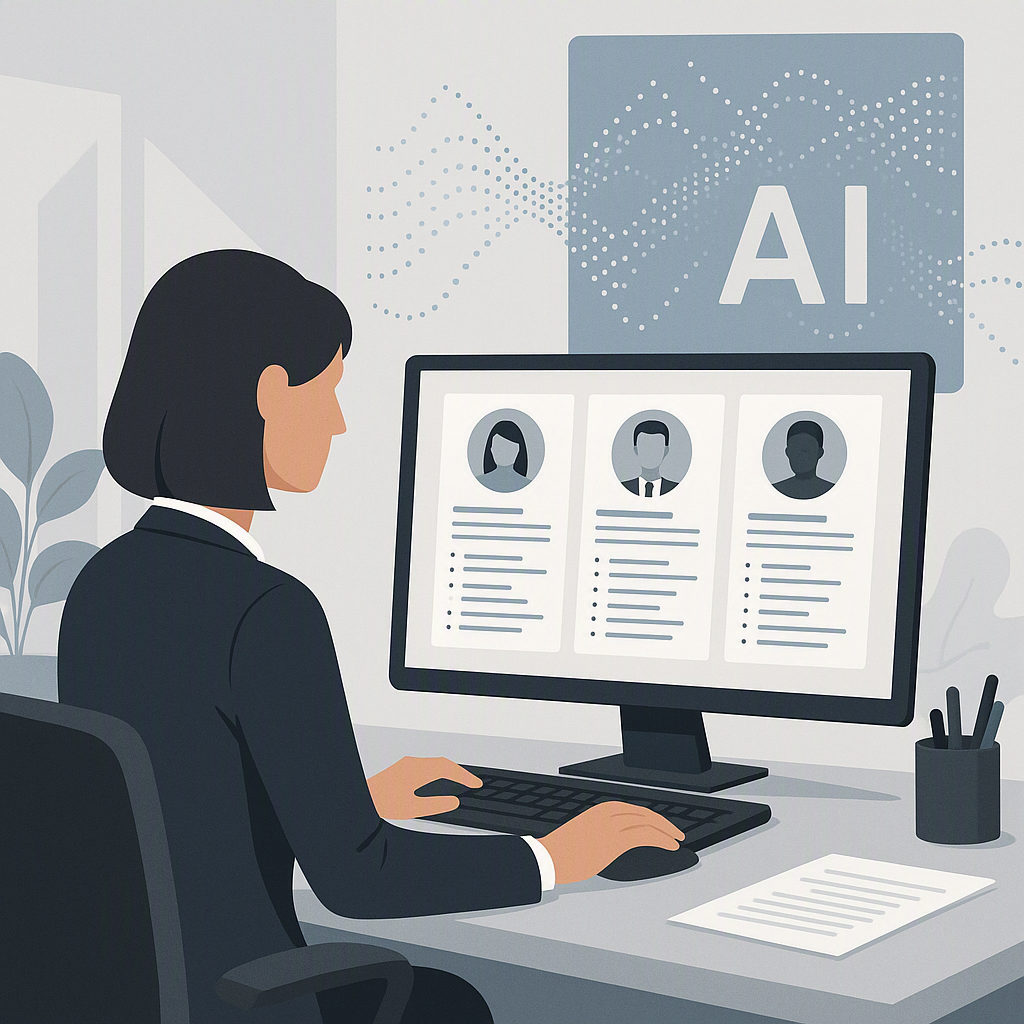
One example of a common challenge is recruitment. Screening resumes manually can be a slow and inconsistent process, often leading to wasted time and effort on unqualified applications. AI tools have the potential to streamline this process, but their success depends on proper application and integration.
Typical pitfalls include:
- Adopting AI tools without proper training for recruiters.
- Lack of trust in AI-generated insights.
- Failure to integrate AI outputs into existing workflows.
When these issues arise, the benefits of AI—such as time savings and improved consistency—are often lost.
What Works: Objective Scoring and Bulk Processing
Illustrative example — AI-powered resume screening tools can analyze resumes and score them against specific job descriptions. Bulk processing allows teams to review a large number of applications quickly, significantly reducing screening time. The key benefits include:
- Reduced time spent on unqualified resumes: AI helps recruiters focus on candidates who match the job requirements.
- Consistent evaluation: AI evaluates candidates based on objective criteria like skills, experience, and education, avoiding biases such as formatting or buzzwords.
Why Most Companies Miss These Gains
Adopting AI alone isn’t enough. Companies often fail to achieve desired outcomes due to:
- Insufficient training for teams on how to use AI tools effectively.
- Unrealistic expectations—AI is a tool, not a magic solution.
- Poor integration of AI insights into existing workflows.
For example, in recruitment, AI-generated scorecards can guide interviews by highlighting strengths and weaknesses, enabling recruiters to ask more targeted questions. Without this integration, AI tools may end up underutilized.
The Human Factor
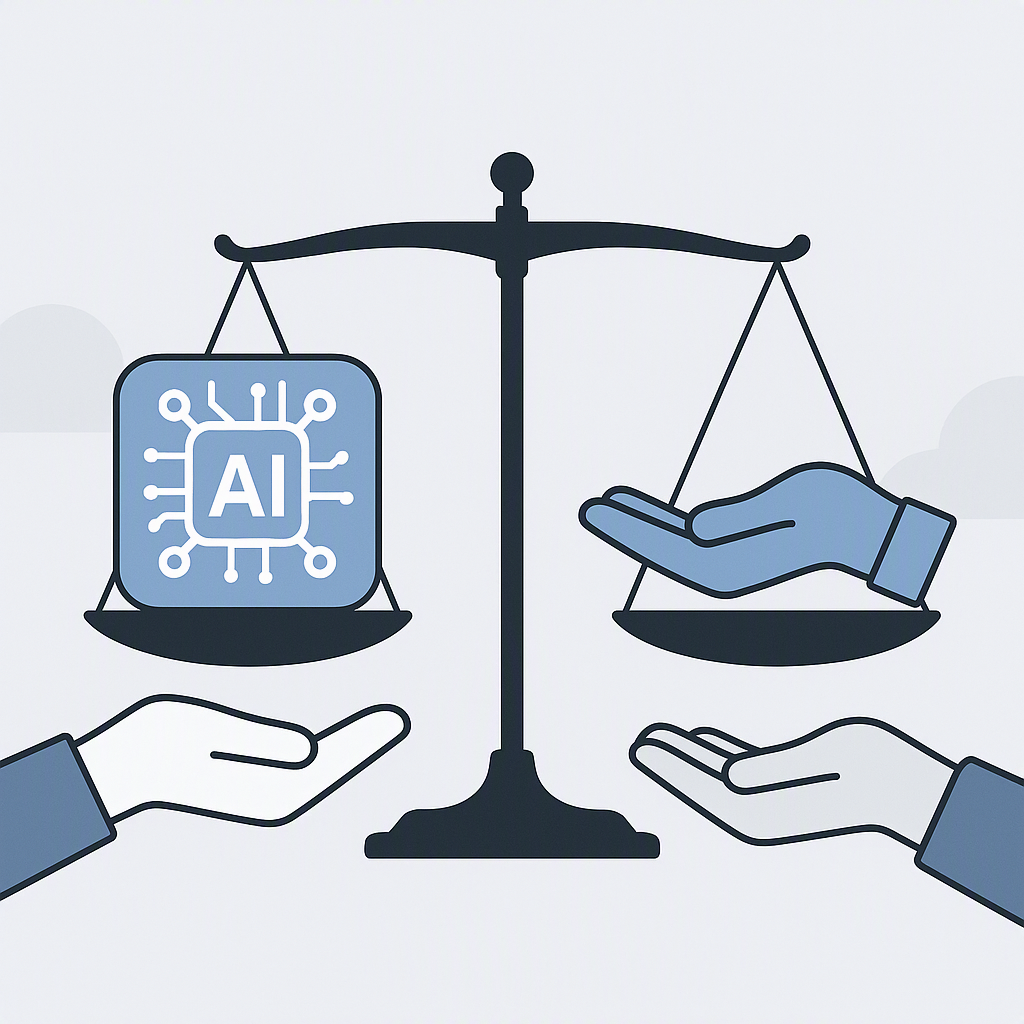
AI is not a replacement for human expertise—it’s a complement. While AI can handle repetitive tasks and provide objective analysis, human judgment is still essential for evaluating cultural fit, personality, and soft skills. Companies that achieve transformational outcomes understand the importance of balancing AI capabilities with human insight.
Addressing Concerns About Bias
AI bias is a valid concern, as algorithms can inherit biases from training data. To mitigate this, organizations should choose tools that prioritize objective criteria like skills and experience. Regular audits of AI outputs can help identify and address any patterns of bias. AI should serve as an initial filter, with final decisions made by humans.
FAQ
1. How can I build trust in AI insights within my team?
Start with low-risk tasks, such as resume screening, and demonstrate tangible results like time saved and improved hiring outcomes. Gradually build confidence in the technology.
2. Can AI tools adapt to our specific processes?
Many AI tools are customizable to align with your workflows. Look for solutions that integrate seamlessly with your existing systems.
3. What if AI flags the wrong candidates?
AI is not perfect but offers consistent results. Use its recommendations as a starting point and refine the shortlist with human judgment.
4. How can I ensure AI doesn’t introduce bias?
Select tools that focus on objective criteria and regularly audit the results to identify and address any potential biases.
5. Can AI evaluate cultural fit?
Not yet. While AI can analyze hard data like skills and experience, assessing cultural fit and personality remains a task for human recruiters.
The Takeaway
Achieving transformational AI outcomes requires more than just adopting technology. Success depends on aligning tools with processes, integrating AI insights into workflows, and fostering trust in the technology among employees. In areas like recruitment, AI can significantly improve efficiency and consistency, but only when implemented thoughtfully and effectively.