I Used to Think AI Had No Place in Salary Negotiations
Negotiating pay is deeply human. It’s tied to emotions, self-worth, and the subtle dance of reading the other person’s intent. For years, I believed AI had no business stepping into this territory. After all, how could a machine understand someone’s value or weigh the unique circumstances of a job offer? I thought AI would only introduce more bias, not eliminate it.
And honestly, many early attempts at AI in hiring didn’t help. Automated resume screening systems would rank candidates based on keywords, often ignoring potential talent hidden behind unconventional career paths. AI interviews felt cold and robotic, frustrating candidates instead of engaging them. So, the idea of AI negotiating pay? I dismissed it outright.
What Changed My Mind: A Hard Look at Bias
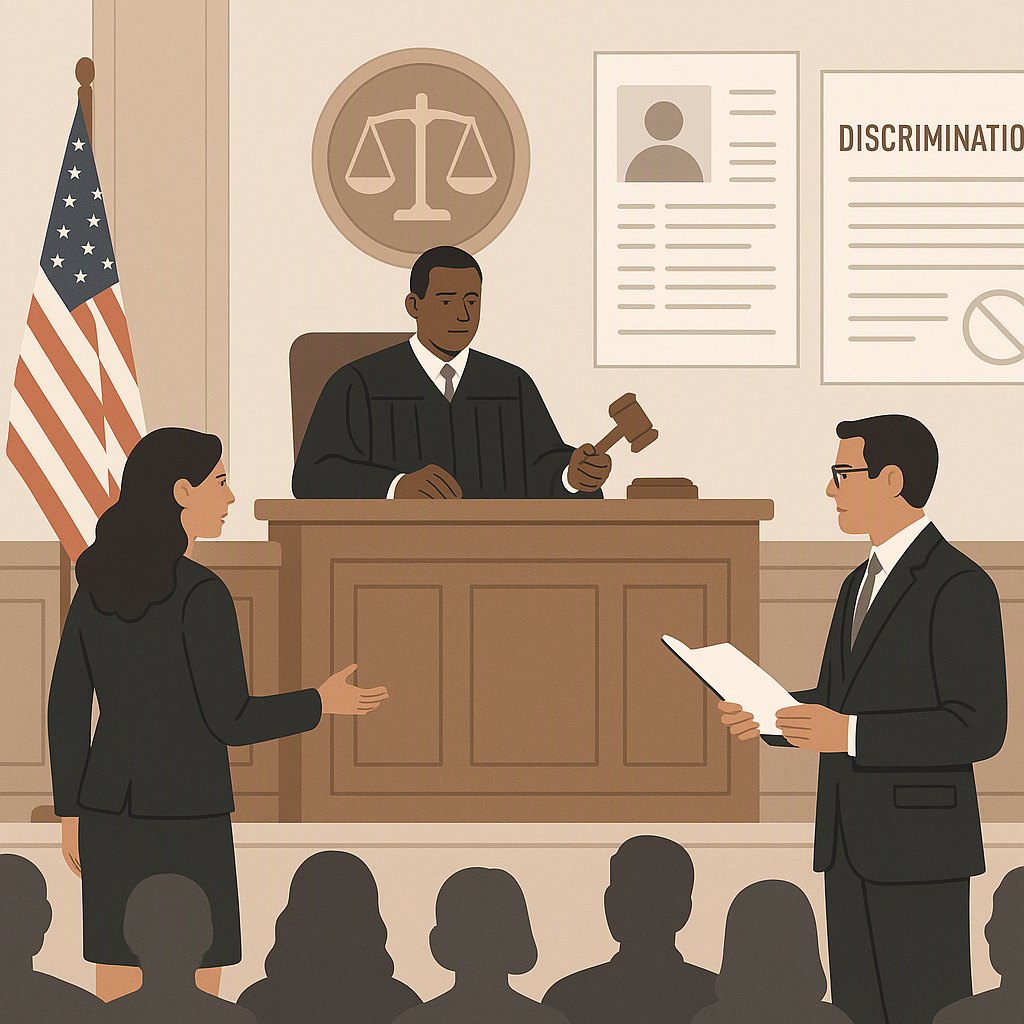
Then, I read a 2023 Reuters report about how pay disparities persist across industries, even in companies that claim to prioritize equity. It hit me: human-led negotiations are full of bias too. Recruiters bring their own unconscious judgments to the table, and workers often undervalue themselves, especially women and minorities.
AI tools, when designed right, could actually reduce bias instead of reinforcing it. For example, TalentNext’s AI-powered resume screening platform doesn’t just analyze resumes—it scores candidates against job descriptions using objective criteria. The same principle could apply to salary discussions, taking emotions and guesswork out of the equation.
A 2024 Financial Times article pointed out that nearly half of workers trust AI to negotiate their pay because they believe it can advocate for them more fairly than they might for themselves. That stat made me pause. Could workers be onto something?
How AI Could Address Bias
AI has the potential to:
-
Standardize Pay Ranges: By analyzing thousands of similar roles, AI tools can generate reliable benchmarks for fair compensation based on factors like industry, geography, and experience level. For example, a software engineer in San Francisco might have a very different pay range compared to one in Austin, Texas. AI can dynamically adjust for these variables.
-
Highlight Disparities: AI can flag potential inconsistencies in pay offers between candidates with similar qualifications, helping recruiters and HR teams make fairer decisions. For example, if Candidate A and Candidate B have nearly identical experience but receive vastly different offers, the AI can raise a red flag for further review.
-
Offer Data-Driven Advocacy: Many workers, especially those from underrepresented groups, struggle to negotiate effectively. AI can provide objective data to help employees understand their worth and negotiate confidently. For example, tools like LinkedIn Salary Insights already provide compensation benchmarks based on aggregated user data. AI can take this further by tailoring insights to an individual’s unique skills and experience.
However, this only works if the data fueling AI systems is clean, representative, and free of bias. That’s a big “if.”
Why My Old Belief Persisted
Let’s be fair: my skepticism wasn’t completely unfounded. Early AI systems were notorious for reinforcing existing inequalities. Algorithms trained on biased data sets would perpetuate those biases, favoring candidates from certain schools or penalizing gaps in employment.
Plus, salary negotiations have so many variables—like cost of living, market conditions, and individual skill sets. It’s not as simple as matching a resume to a job description. AI seemed too rigid to handle such nuance.
The Limitations of Human-Led Negotiations
But the truth is, humans aren’t great at this either. We’re bad at recognizing our worth, and we sometimes negotiate emotionally rather than strategically. A 2018 Pew Research study found that women are less likely to negotiate salaries compared to men, often fearing backlash or damaging a professional relationship. Moreover, recruiters bring their unconscious biases to the table, which can lead to inequitable pay outcomes.
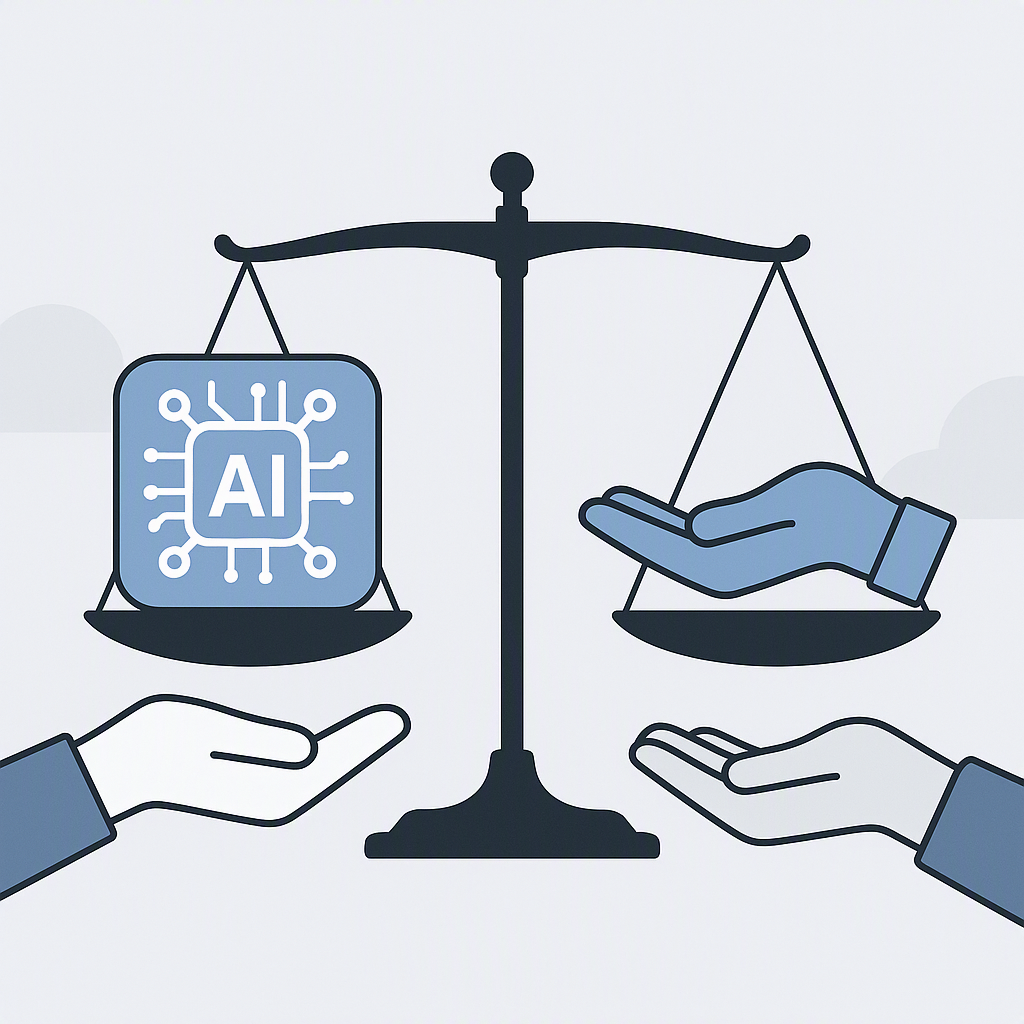
In hindsight, my belief wasn’t wrong about AI’s limitations—it was wrong to assume humans were better. The reality is that both humans and machines have flaws. The key is to find ways they can complement each other.
What I’ve Learned and What I Do Differently
Today, I see AI as a tool to augment human decision-making, not replace it. Here’s what I do differently now:
1. Leverage AI for Benchmarking
Tools like TalentNext’s candidate scorecards provide objective insights into how a candidate matches a role. These insights can also inform fair salary ranges, especially when paired with market data. For example:
- Compare salaries for similar roles across multiple companies using AI-generated benchmarks.
- Use AI to assess trends in pay equity by analyzing historical compensation data.
- Identify outliers (e.g., unusually high or low offers) that might indicate bias.
2. Ask Better Questions
Instead of dismissing AI outright, I now ask: “How can this help reduce bias?” For instance:
- AI can show candidates where their skills align with higher-paying roles, providing actionable feedback that empowers them to negotiate better offers.
- Recruiters can use AI to ensure job descriptions are inclusive, free of gendered or biased language, and appeal to a diverse pool of applicants.
3. Use AI as a Starting Point, Not the Final Answer
While AI can suggest salary ranges based on objective data, human judgment is still critical. For example:
- A candidate might have unique skills or certifications not reflected in their resume that justify a higher offer.
- A recruiter might need to consider non-financial factors like relocation assistance, stock options, or flexible work arrangements that an AI system might overlook.
What I’m Still Unsure About
Let’s be honest: AI isn’t foolproof. It’s only as good as the data it’s trained on. If that data is biased, the tool will be too. And while AI can make salary negotiations more transparent, it can’t account for everything—like an employee’s personal financial needs or the nuances of workplace culture.
Risks of Over-Reliance
I also worry about over-reliance. If we let machines handle too much, will workers lose confidence in their ability to advocate for themselves? Will recruiters become passive participants, blindly following AI recommendations? These are open questions that demand careful thought.
Decision Framework: When to Use AI in Salary Negotiations
| Scenario | AI’s Role | Human’s Role |
|---|---|---|
| Analyzing market benchmarks | Generate data-driven salary ranges | Cross-check against industry trends |
| Identifying pay disparities | Flag potential inequities | Investigate root causes |
| Negotiating offers | Provide objective recommendations | Add context for unique skills or circumstances |
| Finalizing compensation packages | Suggest ranges based on historical data | Consider non-financial factors (e.g., benefits) |
Call to Action
If you’re dealing with slow, biased hiring processes, TalentNext can help. Its AI-powered resume screening and candidate scorecards save recruiters time and improve hiring fairness. Get started free →