Why Onboarding Starts Earlier Than You Think
Most HR teams think onboarding begins after the offer letter is signed. That’s not entirely accurate. It begins the moment a candidate interacts with your hiring process. Yes, even before the first interview.
Why does this matter? Early engagement sets the tone for the candidate’s experience. If the process feels clunky or impersonal, you risk losing top talent before they even sit down for an interview. And in today’s competitive job market, that’s a luxury no recruiter can afford.
Here’s the good news: AI tools can help you start onboarding before you even hit “Schedule Interview” in your calendar. Let’s break this down.
The Pre-Interview Experience: Make It Count
Picture this: A candidate applies for your open role. They sweat over their resume, tailor it to your job description, and hit submit. What happens next? For most companies, nothing. The resume goes into a black hole, and the candidate hears back weeks later—if at all.
That’s a terrible experience. And it’s avoidable. Pre-interview onboarding is about showing candidates you value their time and effort from the start. Tools that analyze resumes, score them against your job description, and even provide candidates with actionable feedback can make a significant difference. Something as simple as, “Your resume is strong, but consider emphasizing X skill to better align with this role,” can improve the candidate experience.
Why should you care? Because candidates who feel engaged early on are more likely to stay interested in your role. It’s not just about finding the right hire; it’s about making them want to work for you.
The Role of AI: Speed and Personalization
AI is often criticized for being impersonal. But when used thoughtfully, it does the opposite. AI tools can streamline the resume screening process, so you’re not wasting time on unqualified candidates. Instead of taking days to sift through hundreds of resumes, you can do it much faster.
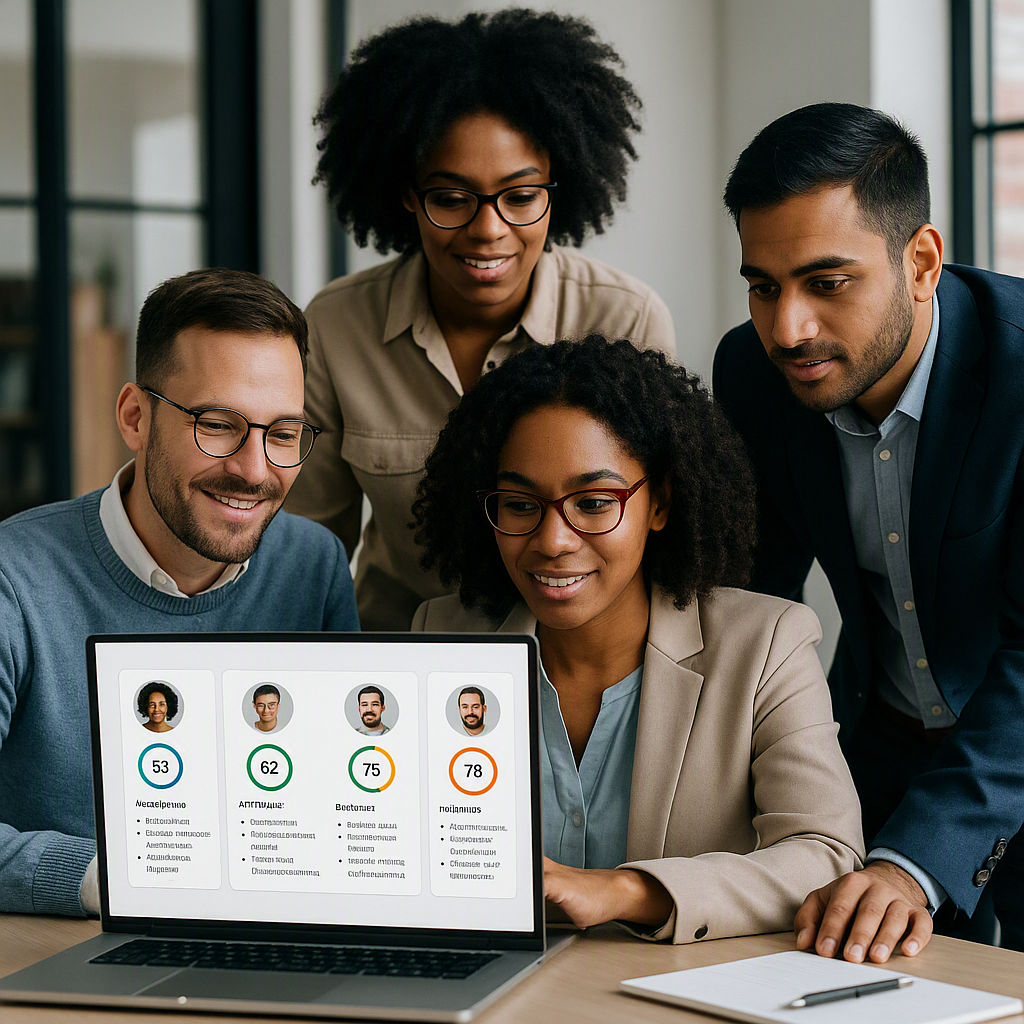
Illustrative example — Imagine a tool that offers AI-driven feedback to candidates, helping them understand how their resume aligns with the job description. For instance, candidates could receive suggestions to highlight specific skills or adjust formatting. This level of transparency and guidance can enhance their experience and improve their perception of your company.
Why This Matters for Onboarding
Think of pre-interview onboarding as relationship-building. You’re showing candidates that you’re invested in their success—even before they officially join your team. That’s huge.
A smooth, personalized hiring process reflects well on your company. Candidates talk. A positive experience can boost your reputation in the job market, while a bad one can do serious damage.
Common Mistakes in Pre-Interview Onboarding
Even well-meaning HR teams slip up here. Here are some pitfalls to avoid:
- Lack of Transparency: If you’re using AI, be clear about it. Let candidates know how their resume is being evaluated.
- No Feedback Loop: If candidates don’t make it past the screening stage, offer them feedback. It doesn’t have to be lengthy—a simple, “Here’s what you could improve for next time,” goes a long way.
- Delays: Speed matters. If your AI tool flags a candidate as a strong match, reach out quickly. Waiting weeks to schedule an interview kills momentum.
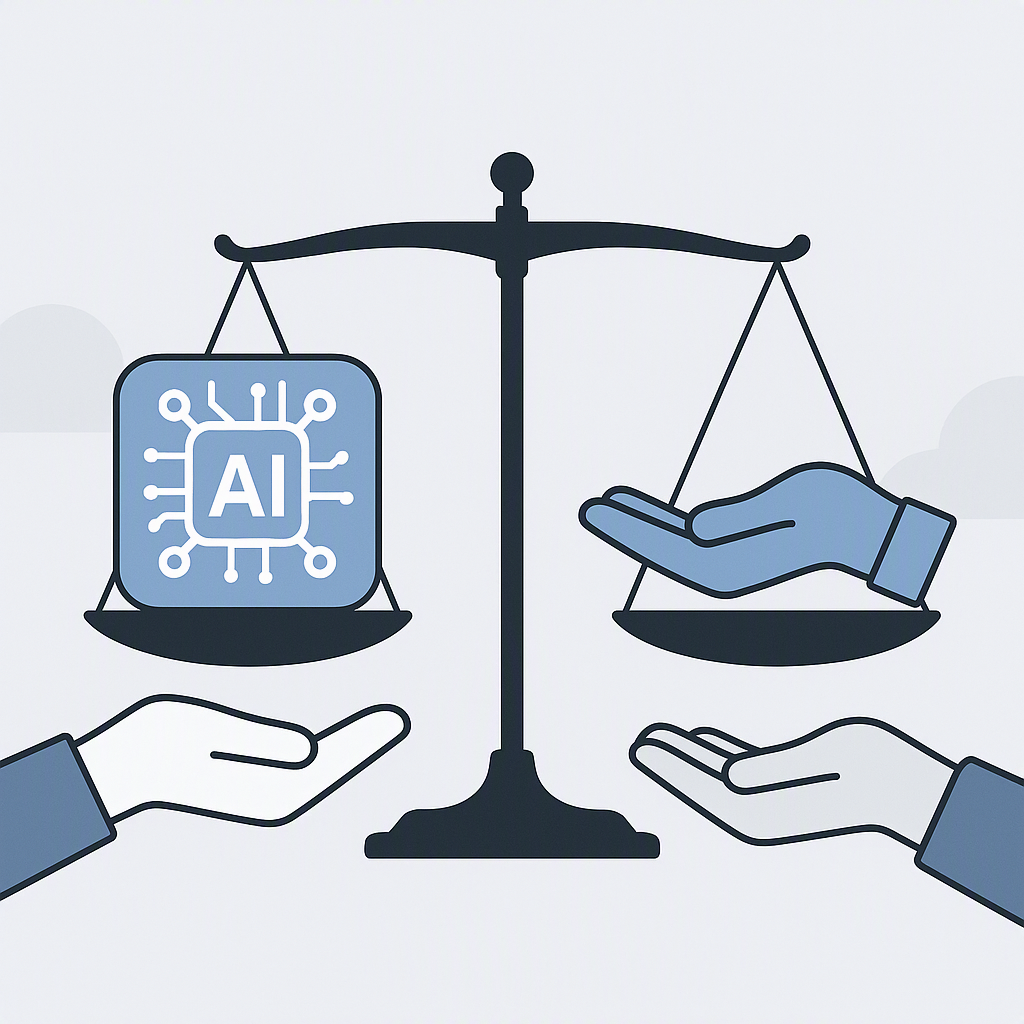
- Over-Automation: Don’t let AI do all the talking. Blend automation with human touchpoints to keep the process personal.
FAQs About Pre-Interview Onboarding
Q: Won’t candidates find AI feedback off-putting?
A: Not if you frame it correctly. Be transparent about how the feedback helps them improve. Most candidates appreciate constructive criticism—it shows you care.
Q: How do I ensure AI isn’t introducing bias?
A: Choose tools designed to reduce bias by applying consistent evaluation criteria across candidates.
Q: What if the AI misses a great candidate?
A: AI isn’t perfect, but it’s a great first filter. Use it to narrow the pool, then apply human judgment for final decisions.
Final Thoughts
Onboarding doesn’t start on Day 1 of the job—it starts the moment a candidate interacts with your hiring process. AI tools can make it easier to engage candidates early, save time, and improve their experience.
If you’re ready to bring pre-interview onboarding into your hiring process, explore the tools and strategies that can help you make a lasting impression.