The Resume Screening Problem Nobody Talks About
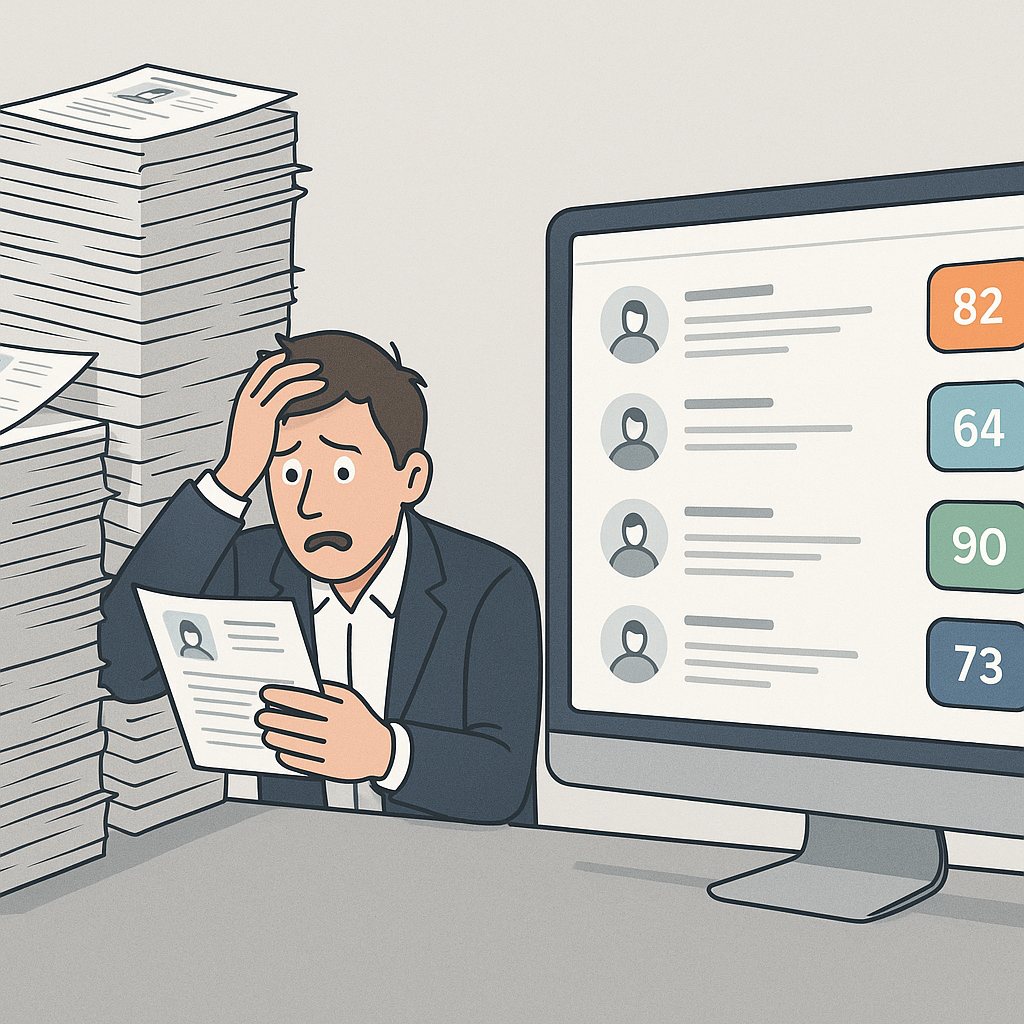
Let’s be real. Resume screening is a slog. You’ve got 200 applicants, and at least half don’t even come close to meeting the job requirements. Yet, someone has to sift through them. It’s tedious, repetitive, and honestly, it’s where good candidates get lost in the shuffle.
A study by SHRM found that recruiters spend an average of just seven seconds on a resume. Seven seconds! That’s barely enough time to skim, let alone evaluate. And when you’re moving that fast, biases creep in, mistakes happen, and strong candidates can slip through the cracks.
This is where AI-powered recruitment software steps in. Specifically, tools like TalentNext. They don’t just speed up the process; they also make it smarter. Let’s dig into how.
AI Resume Screening: What It Actually Does
Here’s the gist: AI doesn’t just read resumes. It analyzes them. Tools like TalentNext compare resumes to the job description you’ve uploaded and score candidates based on how well they match. It’s not just about keywords, either. The AI looks at context. For instance, if the job requires "3+ years of project management experience," it’ll recognize that "Led cross-functional teams for 4 years" hits that mark, even if the exact phrase isn’t there.
In practice, this means:
- You’re not wasting time on resumes that are way off the mark.
- Candidates are evaluated more consistently, without the "gut feel" bias that creeps into manual reviews.
- You can focus your energy on the top 20% of applicants who actually fit the role.
With TalentNext, you can upload hundreds of resumes at once and get instant scores and insights. No more endless scrolling through PDFs. Just actionable results.
Does It Work in Real Life?
You might be thinking, "Sure, this sounds great in theory. But what about my specific hiring needs?" Fair question. AI tools aren’t perfect, and they’re not a one-size-fits-all solution. For example:
- Niche roles: If you’re hiring for a super-specialized position, the AI might struggle with nuanced industry terms. In those cases, you’ll still need a human touch.
- Creative fields: AI can’t evaluate design portfolios or writing samples (yet). It’s great for initial screening, but you’ll need to dig deeper for creative roles.
That said, for high-volume hiring—think customer service, sales, or tech roles—AI screening tools are a game-changer.
The Time-Saving Argument
Let’s talk numbers. According to LinkedIn’s Global Recruiting Trends, recruiters spend up to 23 hours screening resumes for a single hire. That’s nearly three full workdays. TalentNext claims it can cut that time by 75%. Even if it’s only 50% for your team, that’s still a massive win.
Imagine getting back half your week to actually talk to candidates, refine your hiring strategy, or—I don’t know—take a lunch break without feeling guilty.
The Fairness Factor
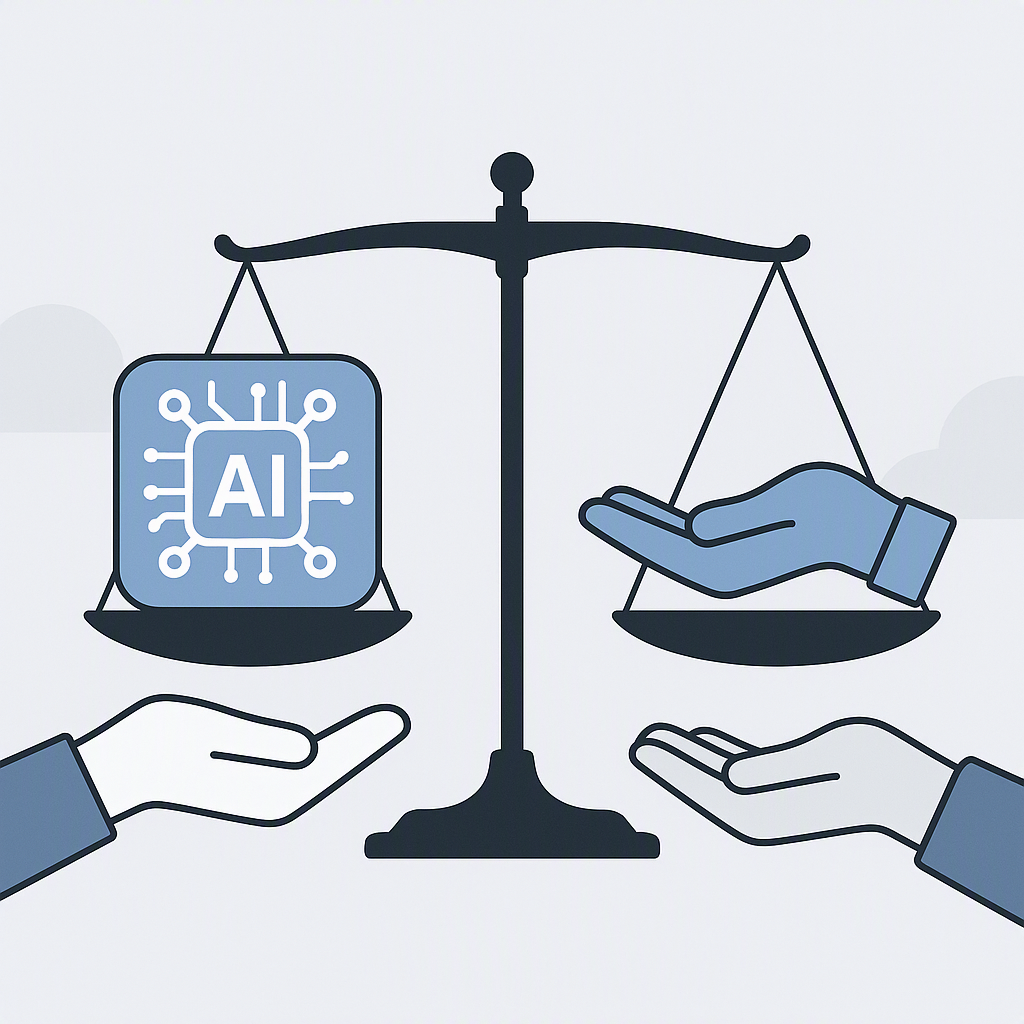
One more thing: AI doesn’t get tired. It doesn’t have a bad day, and it doesn’t unconsciously favor candidates who went to the same college as you. By using AI for the initial screening, you’re leveling the playing field. Everyone gets the same objective evaluation right out of the gate.
Of course, biases can still creep in if the AI is trained on flawed data. That’s why it’s crucial to choose a tool like TalentNext that’s transparent about its algorithms and regularly updates them.
Bottom Line
AI-powered recruitment isn’t a magic fix, but it’s a huge step forward. Tools like TalentNext simplify the most painful part of hiring: screening resumes. They save time, reduce bias, and help you focus on what really matters—connecting with top talent.
If you’re still manually slogging through hundreds of resumes, it’s time to rethink your process. Because let’s face it: your competition probably isn’t.
Ready to see TalentNext in action?
AI-powered resume screening and recruitment platform that instantly analyzes and scores resumes to streamline hiring.
Get Started Free →