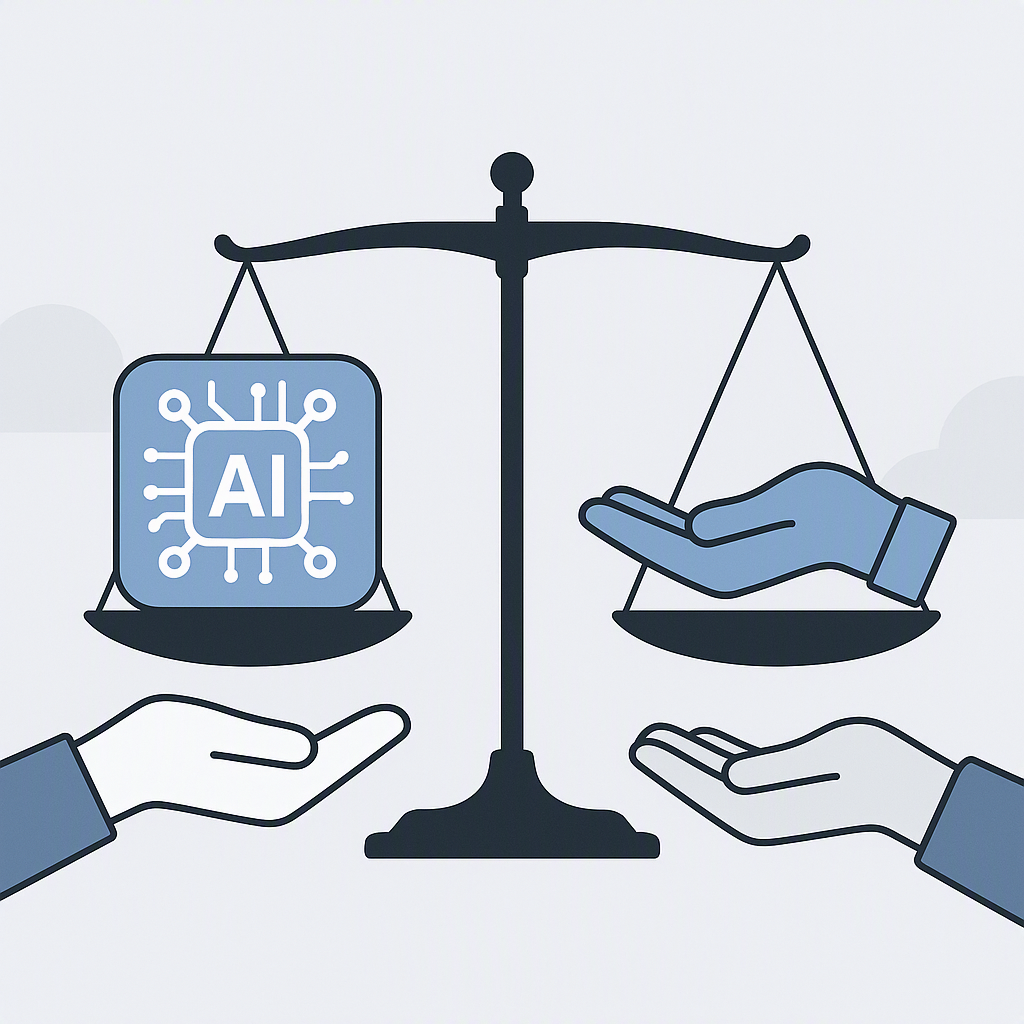
I Used to Think Job Titles Told the Whole Story
When I started in workforce planning, I relied heavily on job titles and resumes. If someone was labeled “Senior Analyst” or “Marketing Manager,” I assumed their skills aligned with that role. Easy, right? HR systems had these neat labels for employees, and it felt like enough to make decisions about promotions, team changes, or hiring.
But I was wrong. Dead wrong.
The Moment That Changed My View
It happened in 2024 during a chaotic hiring sprint. We were short-staffed for a big project in Oman and needed someone with technical skills in Python and SQL. The obvious move was to post the job externally, but one team member casually mentioned, “Why don’t we check internally first?” I brushed it off at first—if we had someone qualified, wouldn’t we already know?
Turns out, we didn’t. After some digging, we found that a junior employee in logistics had been taking advanced data science courses on the side. She had completed certifications, worked on personal projects, and even helped automate reporting processes in her department. She was perfect for the role.
We nearly missed her because our HR systems didn’t track these kinds of skills. I’ve been questioning everything I thought I knew about workforce visibility ever since.
Why I Was Slow to Change
Looking back, I realize I was too focused on traditional indicators—job titles, tenure, degrees. Sure, they’re useful, but they’re also static. Job titles don’t capture the skills someone might learn outside the office. And resumes? They’re limited snapshots, often tailored to fit the job applied for—not a person’s actual capabilities.
Plus, the tools we were using didn’t help. Our HR software was great for tracking headcount or compliance, but it was awful at surfacing skills. We had no way to see what people were learning or how their roles were evolving over time. It was like trying to drive a car with one eye closed.
Why Traditional Metrics Fall Short
-
Job Titles Are Overly Broad: A title like "Project Manager" could mean wildly different things at two companies. One might focus on technical skills, while another might emphasize client management.
-
Resumes Are Static: Most resumes are snapshots in time, often outdated or tailored for a specific application. They rarely reflect ongoing learning, side projects, or informal skills.
-
HR Systems Lack Depth: Legacy HR systems are great for tracking compliance or payroll but fail when it comes to capturing granular skill sets. Without this data, decision-making is based on incomplete information.
To move forward, I had to recognize these limitations and rethink how we viewed and tracked employee capabilities.
What We Do Now
After that near-miss, we made a commitment: no major workforce decision would happen without checking skills data first. Here’s what changed:
1. Investing in Better Tools
We started using TalentNext’s AI-powered resume screening software. Unlike traditional systems, this tool doesn’t just look at job titles; it analyzes skills, certifications, and experiences listed in resumes or HR records. Here’s how it works:
- Skills Mapping: The software creates a comprehensive profile of each employee’s skills, certifications, and even informal learning.
- Keyword Recognition: It identifies key abilities based on industry benchmarks, ensuring we don’t overlook skills hidden in obscure wording.
- Matchmaking: When a position opens, the system proposes the best internal candidates based on skill overlap—and not just their job titles.
2. Conducting Internal Skills Audits
Twice a year, we ask employees to update their skills profiles. Here’s how to make this process effective:
- Communicate the Why: Explain to employees how skills audits can benefit them, like opening up opportunities for promotions and new roles.
- Make It Easy: Use simple forms or platforms that integrate with your existing HR system to collect additional information about certifications, side projects, and hobbies.
- Incentivize Participation: Offer small rewards or recognition for employees who consistently update their profiles.
3. Using AI for Matchmaking
TalentNext’s candidate scorecards help us match internal talent with open roles. The process has become streamlined:
- The software scans employee profiles for skills relevant to the job description.
- It compares certifications, past projects, and even keywords in performance reviews.
- Managers can select internal candidates for interviews based on the AI's recommendations.
This has been a game-changer, especially for hard-to-fill technical roles.
4. Improving Data Transparency
Skills data isn’t just for HR—it’s valuable intel for department heads and project managers. Here’s how we share it:
- Dashboards: We provide teams with dashboards that show the skills composition of their departments.
- Collaboration Opportunities: Teams now know when they can collaborate with others who have complementary skills.
- Proactive Training: Managers can identify skill gaps and proactively schedule training before problems arise.
Why Skills Visibility Is a Game-Changer
Here’s the thing: workforce decisions aren’t just about filling gaps. They’re about optimizing your talent. When you don’t know what skills your employees have, you risk:
1. Overlooking Internal Talent
As demonstrated in our 2024 hiring sprint, you might bypass someone who’s perfect for the role simply because their skills aren’t visible in your systems.
2. Wasting Resources
Hiring externally is expensive and time-consuming. According to the Society for Human Resource Management (SHRM), the average cost per hire is $4,700. Promoting internally can save both time and money.
3. Low Retention Rates
Employees leave when they feel invisible or underappreciated. Giving them opportunities that align with their skills shows you value their growth and contributions.
4. Bad Decisions
Without accurate skills data, you’re guessing—and guesses can lead to mismatched hires, ineffective teams, and poor outcomes.
Common Objections—and Why They’re Wrong
You might think, “Why bother? Isn’t tracking skills too complicated?” Fair point. It can feel overwhelming if your HR system is stuck in the 2010s. But modern tools like TalentNext make it easier than ever. Their AI-driven scoring doesn’t just look at resumes; it analyzes job descriptions, certifications, and industry benchmarks to provide actionable insights.
Another objection? “Skills visibility sounds nice, but does it really matter?” Absolutely. According to LHH, only 33% of CHROs have a clear view of their workforce’s skills. That’s a massive blind spot—and one that directly impacts succession planning, talent development, and productivity.
Skills Visibility Comparison Table
| Criteria | Traditional HR Systems | Modern Skills Visibility Tools |
|---|---|---|
| Tracks job titles | ✔ | ✔ |
| Tracks certifications | ✖ | ✔ |
| Maps informal skills | ✖ | ✔ |
| Uses AI for matchmaking | ✖ | ✔ |
| Data visualization | ✖ | ✔ |
| Cost | Lower upfront cost | Higher upfront cost, better ROI |
Final Thoughts
In my view, skills visibility should be a top priority for every HR team. It’s not just about making better hiring decisions—it’s about building stronger teams and creating a workplace where people feel seen and valued.
If you’re struggling with skills data accuracy, tools like TalentNext can help. Their AI-powered resume screening and workforce analytics make it easier to map skills, reduce blind spots, and make smarter workforce decisions. Get started free →