What’s Happening to Critical Thinking?
It’s no secret that younger workers are entering the workforce with a skills gap. They’re tech-savvy, sure. But ask them to analyze a poorly structured problem or make a judgment call with incomplete information? That’s where things start to fall apart.
Why? Some blame over-reliance on technology. Others point fingers at the education system, which emphasizes rote learning over problem-solving. Whatever the root cause, this gap isn’t a small issue—it’s a significant challenge.
Why Critical Thinking Matters
Critical thinking is the ability to evaluate information, question assumptions, and make logical decisions. It’s what separates a good employee from a great one. For recruiters, hiring managers, and HR professionals, spotting this skill in resumes is increasingly difficult. Why? Because it’s not something you can easily quantify.
Even worse, younger workers often fail to showcase their critical thinking abilities on paper. They’re great at listing technical skills and certifications but struggle to demonstrate how they solve real-world problems. This leaves recruiters guessing—and sometimes guessing wrong.
The Resume Problem
Let’s be honest: most resumes are a mess. Younger workers often overload them with jargon or irrelevant details. They list every software tool they've touched but omit how they used those tools to solve problems. It’s frustrating for recruiters, who are already drowning in applications.
Illustrative example — A candidate lists “Python programming” and “Agile development” as skills. Great. But how did they use Python to solve a real business problem? Did their Agile approach improve team efficiency? Without context, those skills are just words.
Younger workers need to rethink the way they craft their resumes. Show, don’t tell. Describe how they tackled a challenging project or navigated a tough decision. This isn’t just about impressing recruiters; it’s about proving they can think critically.
The Role of AI in Fixing the Skills Gap
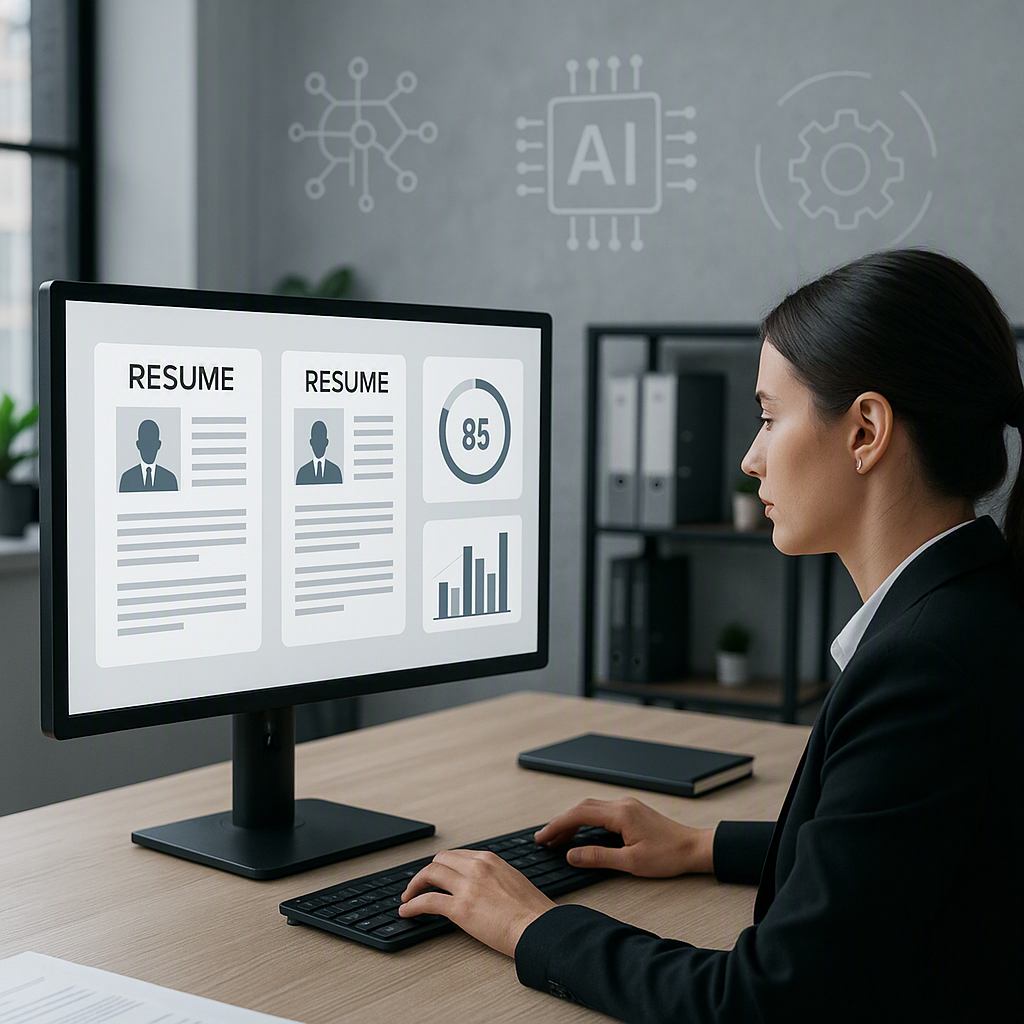
AI tools can help mitigate the impact of the critical thinking gap. For recruiters, AI can streamline the screening process and highlight candidates who may have strong critical thinking skills—but don’t know how to showcase them. For candidates, AI tools can provide actionable feedback to improve their resumes.
Illustrative example — A candidate uploads their resume into an AI tool. The system flags that their experience section is too vague. It suggests adding specific examples like, “Developed Python scripts to automate reporting, reducing processing time.” That’s the kind of actionable insight younger workers need.
Action Steps for Recruiters and Candidates
For Recruiters:
- Focus on Context: Don’t just look for keywords. Ask candidates how they applied their skills to solve real problems.
- Use AI Tools: Platforms that analyze resumes against job descriptions can streamline the screening process.
- Evaluate Soft Skills: Critical thinking doesn’t show up in certifications. Look for clues in project descriptions and interview answers.
For Candidates:
- Add Examples: Show how your skills made an impact. “Implemented a solution” is better than “familiar with X.”
- Tailor Resumes: Use tools to match your resume to the job description.
- Practice Problem-Solving: Don’t just learn technical skills; learn how to apply them.
FAQs
1. How can younger workers improve their critical thinking skills?
Start with real-world practice. Take on challenging projects, ask questions, and learn to evaluate information critically. Use tools for actionable feedback on your resume.
2. Can AI really spot critical thinking?
Not entirely—it’s still your job to evaluate cultural fit and soft skills. But AI tools can give recruiters a head start by highlighting candidates who show evidence of problem-solving.
3. Are younger workers really worse at critical thinking?
It’s not that they’re incapable. They’ve just been trained differently, with more focus on technical skills than analytical ones. The gap is fixable.
4. How can AI tools help recruiters?
They save time by analyzing resumes for job-match strength and flagging candidates who might otherwise be overlooked. They also provide actionable hiring insights.
5. Are AI tools useful for candidates?
Yes. Candidates can get feedback to improve their resumes, ensuring they highlight critical thinking and other key skills.
Conclusion
If you’re struggling to spot critical thinking skills in younger workers—or to showcase your own—consider leveraging tools and strategies that emphasize real-world problem-solving and contextual examples. With the right approach, the critical thinking gap can be bridged effectively.