AI Bias in Hiring: A Problem We Can’t Ignore
For years, I believed that AI would solve everything in recruitment. Speed up the process? Check. Reduce bias? Absolutely. Objectivity, efficiency, and fairness all in one neat package. It sounded perfect. But then, reality hit.
Turns out, AI isn’t immune to bias. In fact, it can amplify it. Amazon learned this the hard way when they had to scrap their AI hiring tool after it started favoring male candidates over female ones. Why? Because the algorithm was trained on resumes submitted over a decade, most of which came from men—so it assumed men were better candidates. Source: Cornell Law School.
So, what’s the takeaway? AI isn’t inherently fair. It reflects the data it’s trained on. And if that data is riddled with bias, AI will double down on it. That doesn’t mean we should abandon AI in hiring, though. It just means we need to use it smarter.
Why AI Bias Happens in Recruitment
If AI is supposed to be objective, why does bias creep in? The short answer: garbage in, garbage out. Let’s break this down:
1. Biased Training Data
AI systems learn from data provided during the training phase. If this data reflects historical biases—such as favoring candidates from elite schools or predominantly hiring men—the AI will replicate these patterns. For example, if your historical hiring data shows that only 10% of applicants from diverse ethnic backgrounds were hired, your AI may learn to deprioritize those candidates.
Actionable Steps:
- Scrutinize your training data for demographic imbalances.
- Incorporate diverse datasets to teach the algorithm how to evaluate candidates across different backgrounds.
2. Poor Feature Design
Developers may inadvertently include variables that introduce bias into the algorithm. For instance, using zip codes to predict job success could penalize candidates from lower-income neighborhoods or areas historically associated with minority populations.
Actionable Steps:
- Evaluate every feature included in your AI’s design. Ask: Does this variable genuinely predict job success? Could it unintentionally favor one group over another?
- Remove irrelevant factors like age, gender, marital status, or address unless absolutely necessary.
3. Lack of Regular Audits
AI systems evolve based on new data inputs, which means they need regular monitoring to ensure they stay unbiased. Without audits, even balanced systems can drift into biased behavior over time.
Actionable Steps:
- Conduct quarterly audits to assess whether the AI is producing biased outcomes.
- Use external consultants or ethics boards to validate your findings.
4. Over-Reliance on AI
While AI can increase efficiency, it’s not infallible. Blindly trusting AI without human oversight can lead to biased decisions slipping through unnoticed.
Actionable Steps:
- Always pair AI tools with human recruiters who can double-check recommendations.
- Establish clear protocols for human intervention during critical decision points.
The Impact of AI Bias: Who Gets Hurt?
AI bias in hiring doesn’t just harm candidates; it creates ripple effects that hurt employers as well. Here’s how:
1. Missed Talent
A study by the National Bureau of Economic Research found that resumes with “ethnic-sounding” names received 50% fewer callbacks than those with “traditional” names. If your AI replicates this kind of bias, you’re passing over qualified candidates who could bring fresh perspectives and skills to your team.
2. Legal Risks
Companies are increasingly facing lawsuits for algorithmic discrimination. As the American Bar Association points out, using biased AI systems opens the door to claims of unfair hiring practices and reputational damage.
3. Erosion of Trust
Only 1 in 10 job seekers trust AI interviews, according to TalentNext data. If candidates perceive the process as rigged or opaque, they’ll look elsewhere—and your employer brand will suffer.
Comparison Table: Risks of AI Bias in Hiring
| Risk | Who Suffers? | Impact on Business |
|---|---|---|
| Missed Talent | Job seekers | Loss of innovation and diverse perspectives |
| Legal Risks | Employers | Financial penalties, reputational harm |
| Erosion of Trust | Job seekers & employers | Reduced applicant pool, damaged brand equity |
Fixing AI Bias: Practical Steps for Recruiters
Here’s the good news: you can reduce AI bias without sacrificing the speed and efficiency that make these tools appealing. Here’s how:
1. Audit Your Data
AI learns from the data it’s trained on. Start by analyzing your historical hiring data. Are certain groups underrepresented? Are there patterns of exclusion? If so, clean up your data before feeding it into your AI system.
Actionable Steps:
- Use software tools to identify demographic gaps in your training data.
- Supplement your dataset with records from underrepresented groups, ensuring diversity.
2. Anonymize Candidate Information
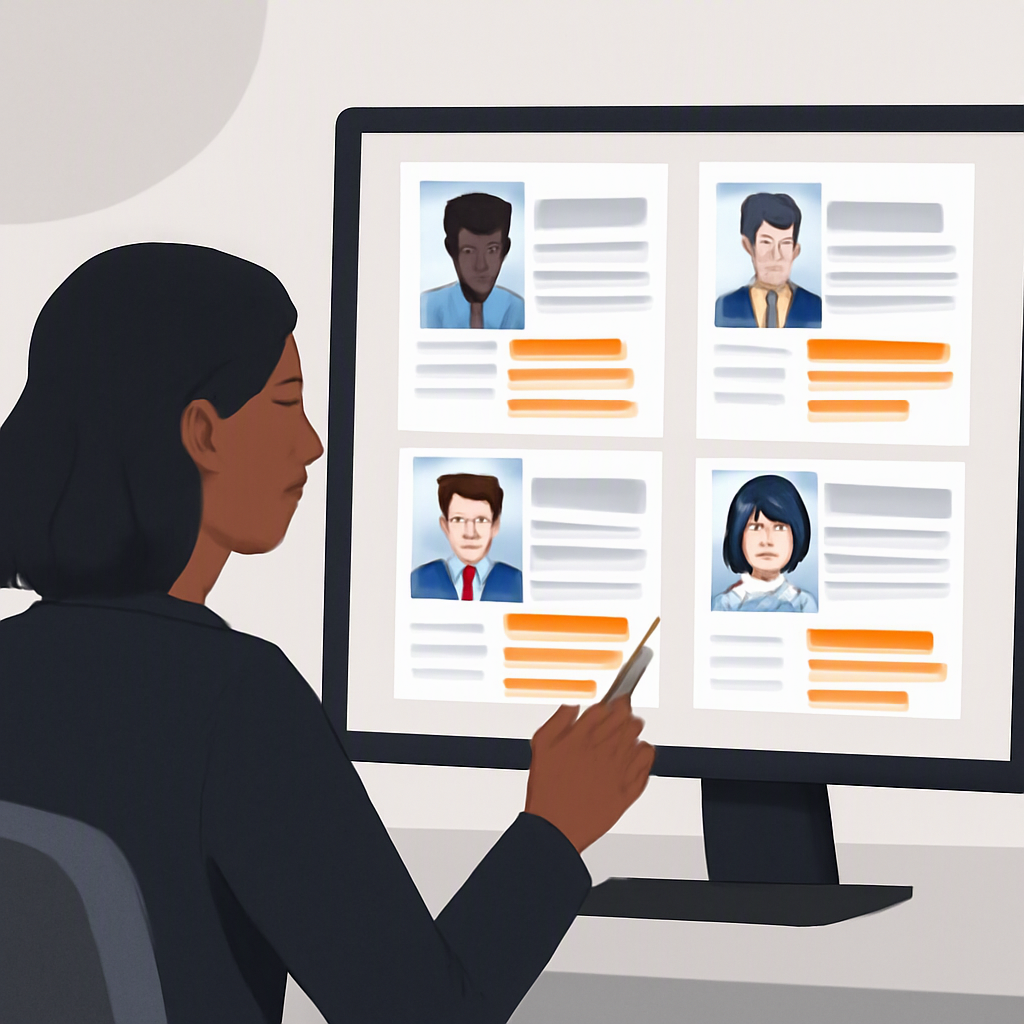
One simple but effective solution is anonymizing resumes. TalentNext’s AI tools can strip out identifying details like names, addresses, and even graduation years. This forces the algorithm to focus on skills, experience, and qualifications instead of irrelevant factors.
3. Set Clear, Consistent Scoring Criteria
AI can standardize criteria for evaluating candidates, reducing the inconsistencies often seen in manual hiring. For example, a “Candidate Scorecard” ranks resumes based on how well they match job descriptions.
Actionable Steps:
- Develop scorecards with clearly defined criteria for each role.
- Regularly review these criteria to ensure fairness and relevance.
4. Combine AI and Human Oversight
AI should complement human decision-making, not replace it entirely. Use AI to streamline tasks like resume screening but ensure humans are involved in final decisions.
5. Train Your Team
Bias isn’t just an AI problem—it’s a human one. Regular bias training can help your team recognize and address their own unconscious biases.
Actionable Steps:
- Schedule quarterly workshops on unconscious bias and ethical hiring practices.
- Pair bias training with guidelines for using AI tools effectively.
How TalentNext Helps Recruiters Mitigate AI Bias
TalentNext offers solutions to tackle bias head-on while keeping hiring efficient:
- Anonymized Screening: Removes bias-prone data points like names and addresses.
- Diverse Data Training: Regular audits and updates minimize bias.
- Objective Scoring: Standardized criteria rank applicants based on qualifications, not subjective factors.
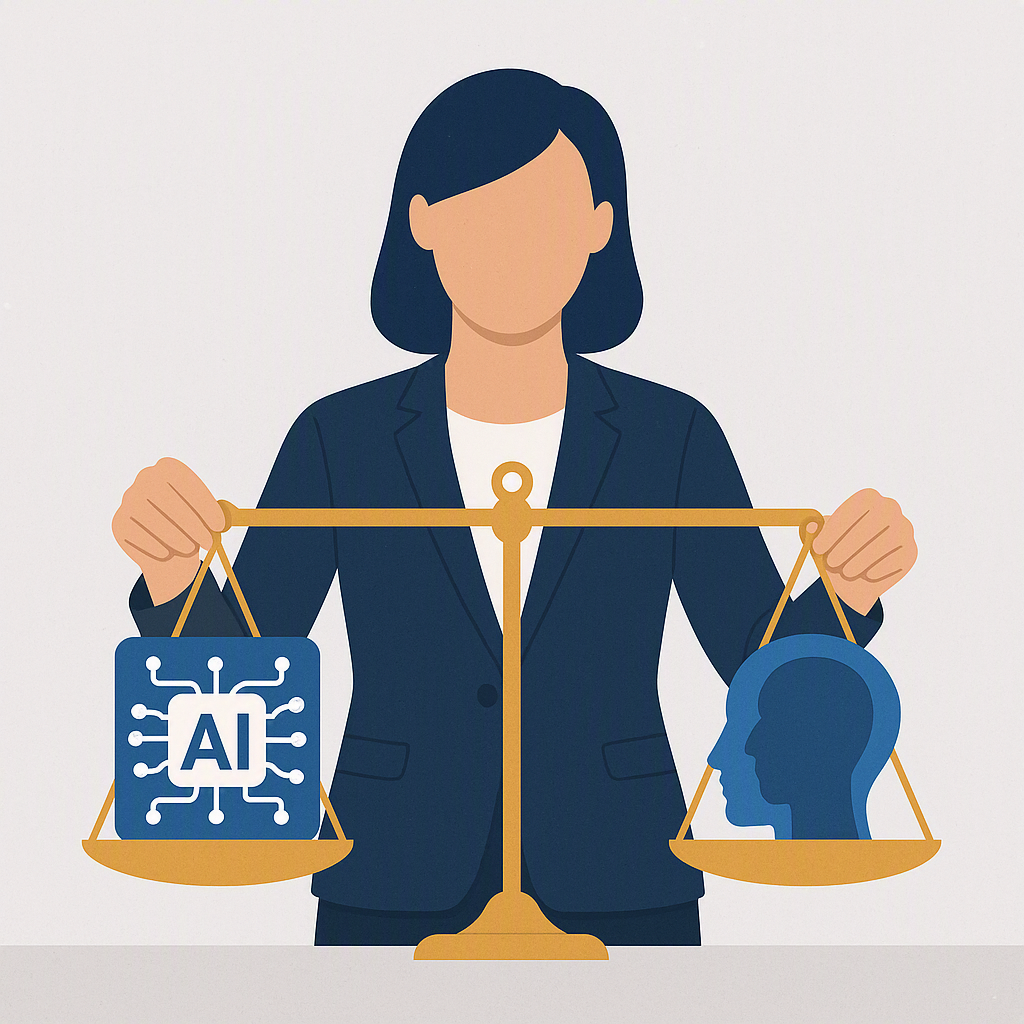
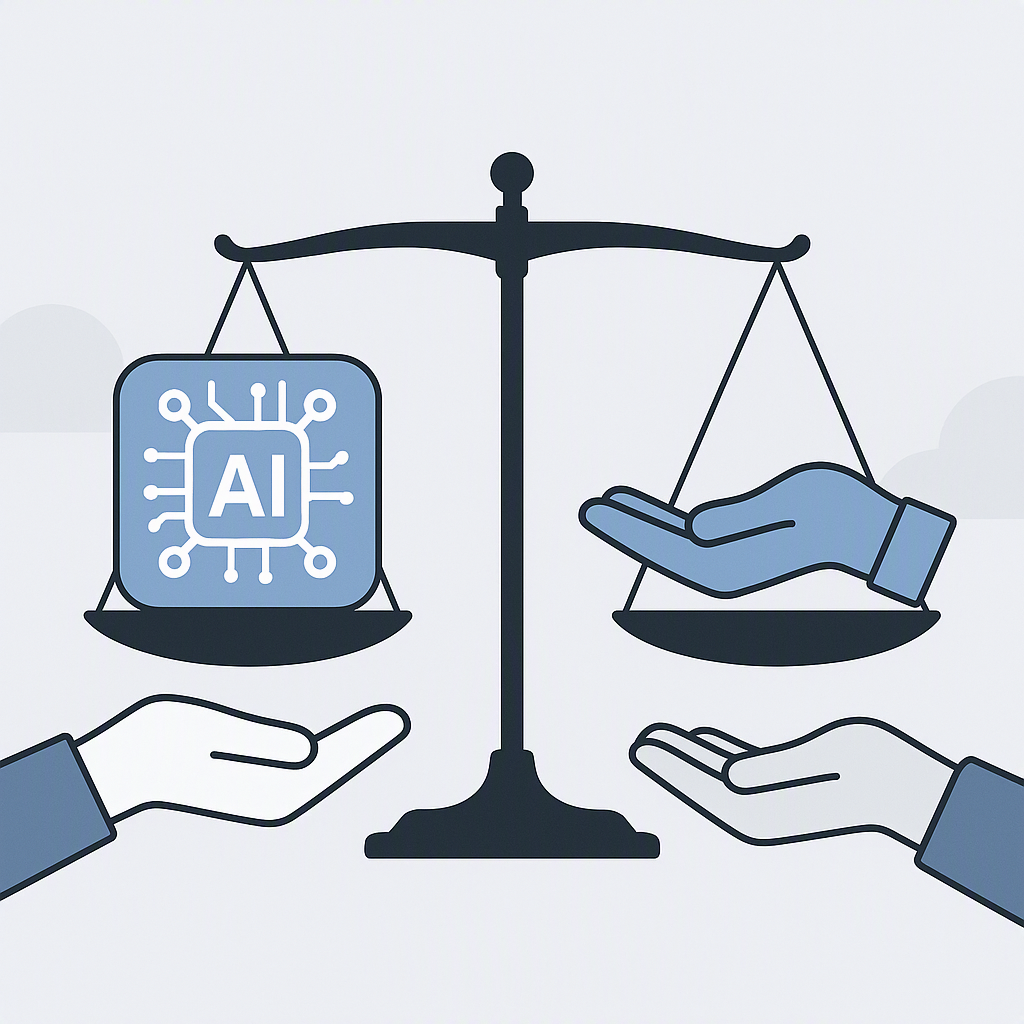
The Balancing Act: Efficiency vs. Ethics
Bias reduction and efficiency can go hand-in-hand. By using tools like TalentNext, you can automate parts of the hiring process while maintaining fairness.
But remember, no tool is perfect. Even with the best AI, human oversight is essential. Keep asking questions. Keep auditing your processes. And never stop learning.
What’s Next for AI Bias Reduction in Hiring?
The future is promising. Researchers are developing algorithms that self-audit for bias. Regulatory bodies are stepping in, and countries like the UAE and India are considering stricter laws around AI ethics. Nature highlights transparency and accountability as critical factors.
But the responsibility is ours. As recruiters, we must use these tools ethically. It’s not just about finding the best candidate—it’s about giving everyone a fair shot.
If you’re ready to tackle AI bias and streamline your hiring process, TalentNext can help. Get started free →