What I Used to Think
Discrimination in hiring is mostly an intentional act. I believed recruiters, HR professionals, and hiring managers who make biased decisions are either knowingly unethical or poorly trained. I figured, with proper training and company policies in place, bias would be easy to eliminate. After all, we’re professionals — how hard can it be to focus on qualifications and experience instead of irrelevant personal details?
The Thing That Changed It
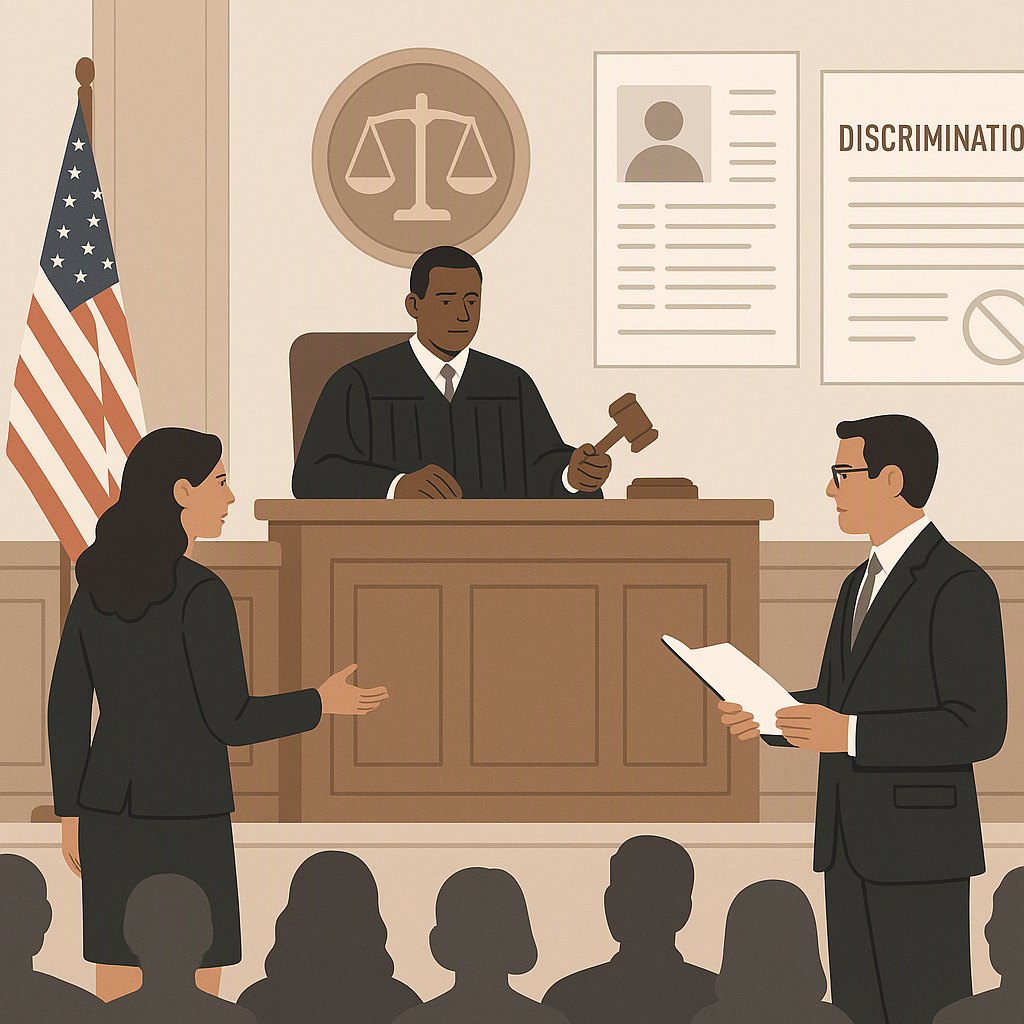
Then I read about the $105K delivery room discrimination case. In this case, a male surgical technician was denied the opportunity to assist in a delivery room procedure based solely on his gender. The jury found this to be outright discrimination, awarding him $105,000 in damages. The decision wasn’t based on a lack of skills or experience — it was pure bias. Source: CNN
This wasn’t about ignorance or malice. It was subtler than that. The healthcare team likely acted on ingrained stereotypes about what roles men and women should play in sensitive situations. They might have thought they were doing the right thing, protecting patient comfort or privacy. But their intentions didn’t matter — the impact did.
This case made me rethink everything. What if discrimination isn’t always obvious? What if bias is so deeply ingrained that people don’t even realize they’re acting unfairly?
Why I Held Onto My Old Belief
Bias feels obvious when you spot it. If someone rejects a pregnant candidate or overlooks a resume with a gap due to maternity leave, you think: “That’s blatant discrimination.” Training and policies should fix that, right? But here’s the problem: bias often hides in the details. It’s not just about outright rejection; it’s about who gets prioritized, who gets a second glance, and who’s subtly disfavored.
How Bias Hides in Hiring
Bias doesn’t always look like someone saying, “I won’t hire this person.” More often, it’s subtle and unintentional. Here’s how it can manifest:
- Resume Gaps: Employment gaps can trigger assumptions about a candidate’s competence or reliability. For example, a hiring manager might unconsciously think, “They’re probably not serious about their career.”
- Names and Demographics: Studies show that resumes with ethnic-sounding names are less likely to get callbacks. Source: National Bureau of Economic Research
- Unconscious Stereotypes: Certain roles are often associated with specific genders or ages. For example, women may be overlooked for leadership roles due to unconscious associations of leadership with masculinity.
Why Training and Policies Aren’t Enough
Many companies invest in anti-bias training and implement equal opportunity policies. While these are essential steps, they often fall short because:
- Training Effects Fade: Research shows that the effects of diversity training often wear off after a few months. Source: Harvard Business Review
- Policy Enforcement Gaps: Policies are only as effective as their enforcement. Exceptions and inconsistencies can undermine their impact.
- Unconscious Bias Persists: Even the most well-meaning individuals can make biased decisions without realizing it.
What I Do Differently Now
After realizing how pervasive and nuanced bias is, I re-evaluated my hiring processes. I knew I needed tools to help me focus on objective qualifications and strip away irrelevant factors. That’s where AI tools, like TalentNext, came into play.
How AI Tools Reduce Bias
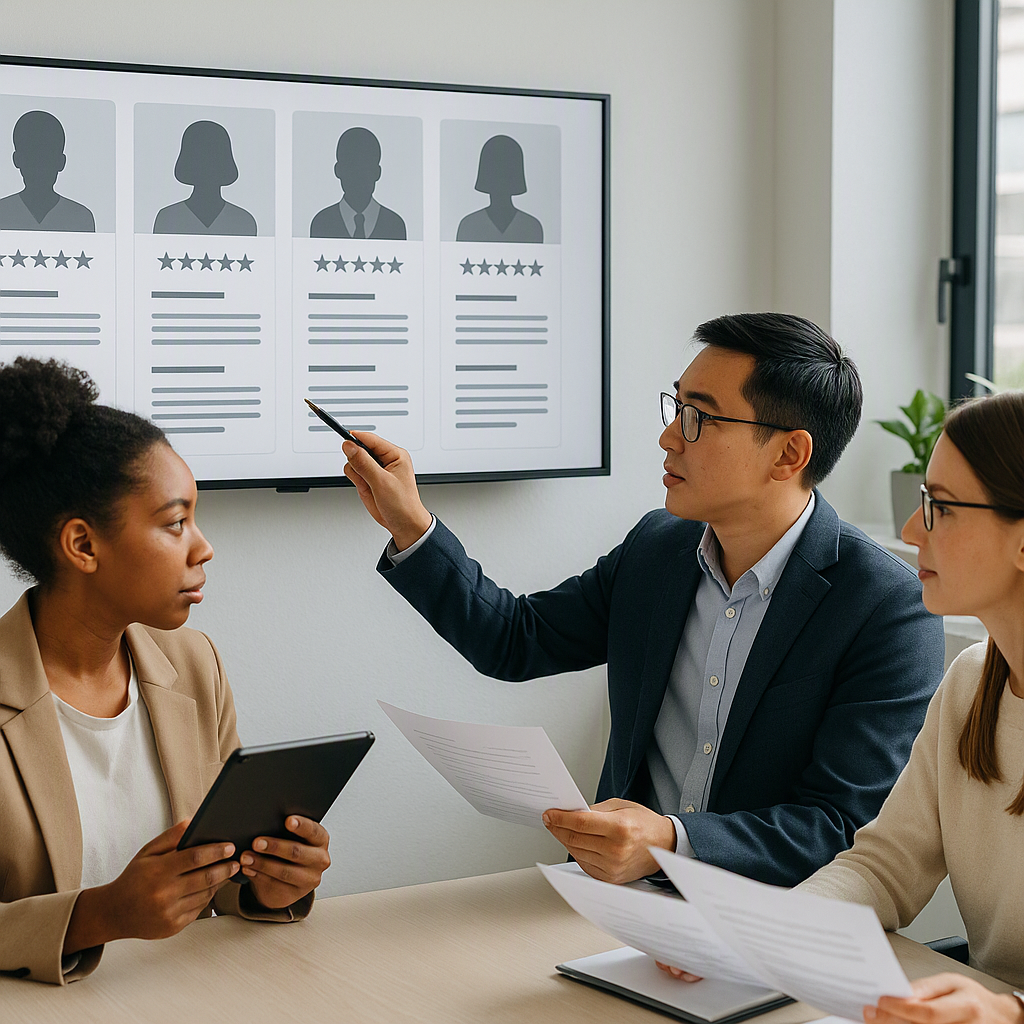
AI-driven hiring tools are designed to evaluate candidates based on objective criteria like skills, certifications, and experience. Here’s how they make a difference:
-
Resume Scoring Against Job Descriptions: AI algorithms match resumes to job requirements without considering factors like employment gaps, gender, or personal disclosures. For example, if a role demands expertise in cloud computing, the AI prioritizes candidates with relevant certifications and experience.
-
Blind Screening: Some tools remove identifying information, such as names, ages, or photos, to prevent unconscious bias.
-
Skill-Based Assessments: Instead of relying solely on resumes, AI tools can incorporate skill tests or work samples to evaluate candidates objectively.
Practical Steps for Using AI in Hiring
If you’re considering AI tools like TalentNext, here’s how to integrate them effectively:
- Define Clear Job Criteria: Clearly outline the skills, certifications, and experience required for the role. The better the input, the more accurate the AI’s recommendations.
- Train Your Team: Ensure recruiters understand how the AI works and trust its recommendations. Transparency is key.
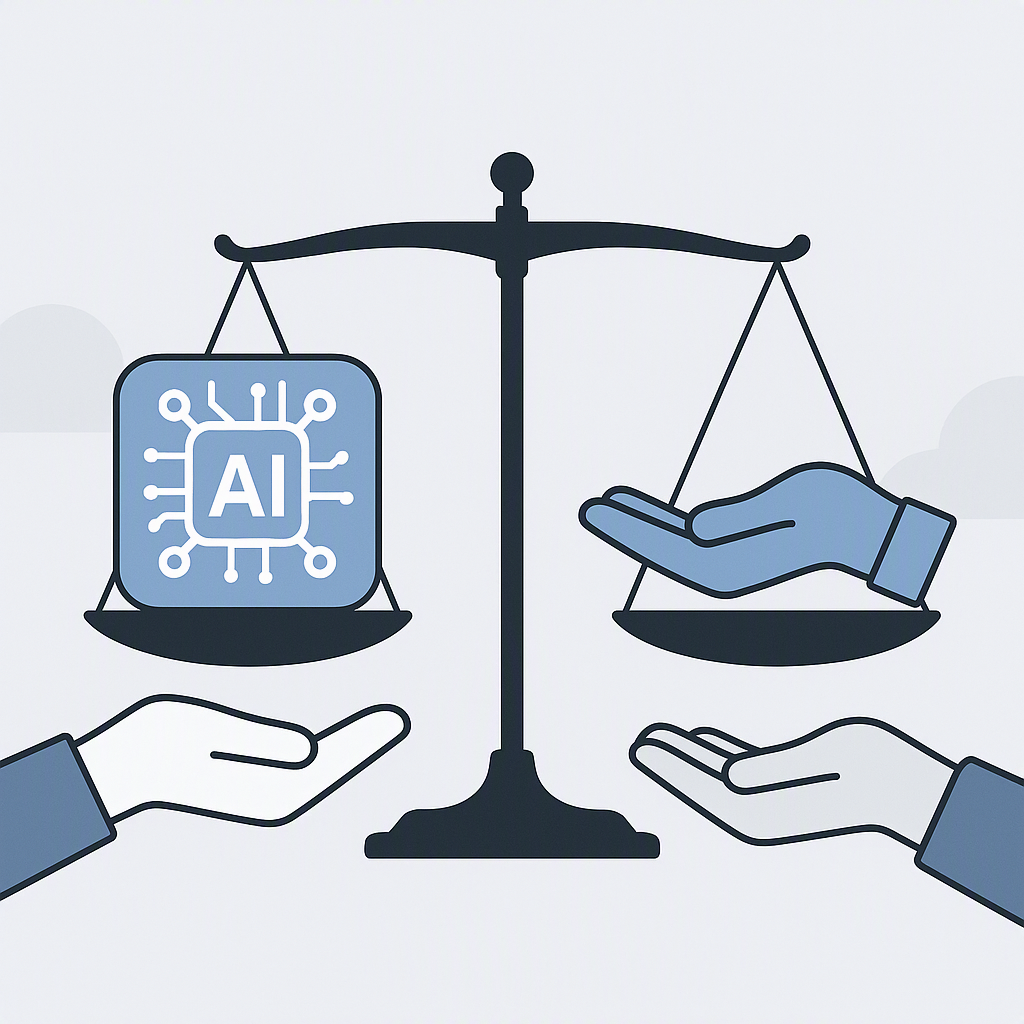
- Combine AI with Human Oversight: Use AI for the initial screening, but involve humans in later stages to ensure a holistic evaluation.
- Monitor for Bias: Regularly review the AI’s recommendations to ensure they align with your diversity and inclusion goals. If you notice patterns of bias, address them promptly.
Comparison: Manual Screening vs. AI Screening
| Feature | Manual Screening | AI Screening |
|---|---|---|
| Speed | Slow, especially with high volumes | Fast; can process thousands of resumes in minutes |
| Bias Risk | High; influenced by unconscious bias | Lower; focuses on objective criteria |
| Consistency | Variable; depends on individual screeners | Consistent; applies the same criteria to all candidates |
| Cost | Higher due to time investment | Lower in the long run; reduces manual labor |
| Adaptability | Limited; struggles with large-scale patterns | High; can analyze trends and adjust accordingly |
What Being Wrong Cost Me
I’ll admit it: I’ve probably overlooked great candidates because of unconscious bias. How many resumes did I pass over because a gap or disclosure made me hesitate? I can’t quantify it, but the cost is clear — missed opportunities, unfair exclusions, and potentially even legal risks.
Legal and Business Risks
Bias isn’t just an ethical issue; it’s a legal and financial one. Take the Pregnant Workers Fairness Act (PWFA), for example. It requires employers to provide reasonable accommodations for pregnancy-related conditions, including IVF. Mishandling these cases can lead to lawsuits, fines, and reputational damage.
Using AI tools like TalentNext can mitigate these risks by ensuring compliance with EEOC rules and focusing on job-fit metrics. Source: TalentNext Blog
What I’m Still Not Sure About
AI isn’t flawless. It’s only as good as the data and algorithms behind it. If the system is trained on biased historical hiring data, those biases can creep into the results. Plus, AI doesn’t engage with candidates directly — it can’t address accommodation requests or sensitive disclosures. That’s still on human recruiters.
Challenges to Overcome
- Data Bias: Ensure the AI is trained on diverse, unbiased data sets.
- Human Resistance: Recruiters may hesitate to trust AI over their instincts. Building trust takes time and transparency.
- Balancing AI and Human Judgment: AI is a tool, not a replacement. Human oversight remains essential.
Closing Thoughts
Bias in hiring is more pervasive and nuanced than I once thought. While no solution is perfect, AI tools like TalentNext offer a way to reduce unconscious bias, ensure compliance, and make fairer hiring decisions. The key is to combine these tools with human judgment and a commitment to continuous improvement. Get started free →